





The Cold Room Preference
Nick Jonas has publicly shared his strong preference for sleeping in a room that is exceptionally cold, describing it as 'freezing cold.' This personal
habit, however, contrasts with his wife's preference for a warmer sleeping environment, often set around 71-72°F (21.6-22.2°C). Jonas, on the other hand, finds temperatures as low as 62°F (16.7°C), as mentioned by a podcast host, to be highly desirable. He identifies as someone who naturally 'runs hot,' meaning his body temperature tends to be higher than average. This personal anecdote highlights a common point of contention in shared living spaces: differing thermal comfort levels. The singer's desire for a significantly cooler room suggests a deep-seated need for a specific environmental condition to achieve optimal rest, a preference that often necessitates compromise or separate sleeping arrangements to accommodate both partners' needs.
Sleep Temperature Science
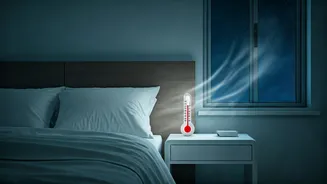
The ambient temperature of a bedroom plays a surprisingly significant role in sleep quality, often acting as a silent disruptor or facilitator of rest. According to neurological and medical experts, a cooler room temperature is crucial for initiating and maintaining sleep. As we prepare to sleep, our body's core temperature naturally begins to drop. A cooler external environment assists this biological process, making it easier for the body to lower its internal temperature. This temperature decrease is closely linked to the release of melatonin, a hormone essential for regulating the sleep-wake cycle. An ideal sleep environment is generally recommended to be around 18°C (64.4°F), which directly supports the body's natural thermoregulation mechanisms and promotes faster sleep onset. Without this conducive temperature, the body may struggle to enter the deeper stages of sleep.
Thermoregulation and Cooling
Our bodies possess an intricate internal system called thermoregulation, which works to maintain a stable core temperature. For individuals who tend to feel warmer, like Nick Jonas, common strategies to cool down involve externalizing body parts. A classic example is sticking a foot out from under the blankets. This seemingly simple action is quite effective because the soles of the feet are rich in blood vessels and have minimal hair, making them efficient conduits for heat exchange. By exposing a foot, excess body heat can dissipate more readily through these superficial vessels, contributing to a slight but significant drop in core body temperature. This cooling effect not only helps regulate internal heat but also sends a calming signal to the brain, aligning with our circadian rhythms and encouraging the production of melatonin, thereby facilitating quicker and more restful sleep.
Improving Sleep Hygiene
For those who frequently experience overheating during the night or suffer from night sweats, adopting natural methods to manage body temperature can significantly enhance sleep hygiene. Strategies like ensuring the bedroom is cool, as exemplified by Nick Jonas' preference, or employing the foot-out technique, offer non-invasive ways to improve sleep quality without resorting to medication. These methods leverage the body's natural cooling mechanisms. By assisting the body in lowering its core temperature, individuals can experience faster sleep onset and enjoy deeper, more restorative sleep. Understanding and implementing these simple adjustments to the sleep environment and personal habits can lead to substantial improvements in overall well-being and daytime alertness, demonstrating the profound impact of temperature on our sleep.