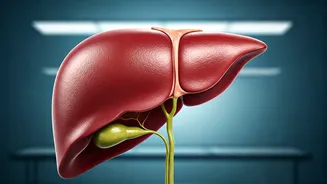

Liver Health: Overview
The liver is a vital organ performing several crucial roles in the body. It detoxifies blood, processes nutrients, and produces bile, which is essential
for digestion. Understanding the importance of this organ is the first step toward safeguarding its health. Several factors can affect liver function, and it is important to address them to avoid issues. While alcohol consumption is a well-known risk factor, several other lifestyle choices and health conditions can lead to liver problems. Recognizing these risks is important for people from all walks of life. This awareness empowers people to make informed decisions about their health.
Debunking Myths
A common misconception is that if you don't drink alcohol, your liver is automatically healthy. While alcohol abuse is a major cause of liver diseases like cirrhosis and fatty liver disease, there are other significant contributors. These include non-alcoholic fatty liver disease (NAFLD), which can result from obesity, diabetes, and a poor diet. Other factors are viral hepatitis (hepatitis B and C), autoimmune conditions, and even certain medications. The reality is far more complex than a simple equation of alcohol consumption. It is vital to consider various elements that might impact liver health to fully understand and protect it. This detailed view is essential for health management, irrespective of drinking habits.
Factors beyond alcohol
Non-alcoholic fatty liver disease (NAFLD) is one of the most common causes of liver problems worldwide. This condition is frequently linked to obesity, type 2 diabetes, and metabolic syndrome. A diet high in processed foods, saturated fats, and sugars can contribute to fat accumulation in the liver, leading to NAFLD. Apart from diet, lack of exercise and a sedentary lifestyle also significantly affect liver function. Viral hepatitis, specifically hepatitis B and C, is another major threat. These viruses can cause chronic inflammation and damage the liver over time. Autoimmune diseases, such as autoimmune hepatitis, where the immune system attacks the liver cells, are also contributing factors. Even the medications you take, whether prescription or over-the-counter, can negatively impact your liver if used improperly or in excess. Therefore, maintaining a healthy lifestyle is very important for liver health.
Diet and Lifestyle
Your diet plays a massive role in liver health. A balanced diet, rich in fruits, vegetables, and whole grains, supports liver function and overall health. Fiber-rich foods help remove toxins, while antioxidants protect liver cells from damage. Limiting processed foods, sugary drinks, and saturated fats is crucial to prevent the build-up of fat in the liver. Regular exercise is equally important. Physical activity helps manage weight, improve insulin sensitivity, and reduce the risk of fatty liver disease. Staying hydrated is also very important. Water is important for the liver to function efficiently. Moreover, avoid unnecessary medications and supplements, as they can put an unnecessary burden on the liver. It's important to consult with a healthcare professional before starting any new supplement or medication to ensure it is safe for your liver.
Regular Health Checks
Regular check-ups and screenings are very important for early detection and management of any liver issues. Blood tests, such as liver function tests (LFTs), can help assess liver health and detect any abnormalities. These tests measure the levels of certain enzymes and proteins in the blood, which indicate liver damage or dysfunction. If any concerns arise, additional tests, such as ultrasounds, CT scans, or even liver biopsies, might be needed for a more detailed evaluation. Early detection allows for timely interventions, which can prevent further damage and improve outcomes. Those with risk factors, such as diabetes, obesity, or a family history of liver disease, should especially prioritize regular check-ups. Moreover, being aware of symptoms, such as jaundice (yellowing of the skin and eyes), abdominal pain, or fatigue, and reporting them to your doctor is crucial for prompt diagnosis and treatment.
Seeking Professional Advice
Consulting with a healthcare professional is crucial if you have any concerns about your liver health. A doctor can evaluate your medical history, perform necessary tests, and provide appropriate guidance and treatment. They can also provide a detailed, tailored plan based on your unique health profile. It is very important to discuss any medications or supplements you are taking, as some can impact liver health. A doctor can help you understand the risks and benefits and recommend safer alternatives if needed. Moreover, if you have a family history of liver disease, inform your doctor so they can adjust your health plan. Following your doctor's advice and attending follow-up appointments is very important for effectively managing and protecting your liver health. Remember, a proactive approach and professional medical advice are your best defenses.