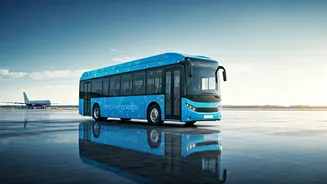








A Green Initiative
CIAL's embrace of hydrogen-powered buses is more than just a technological upgrade; it represents a commitment to environmental sustainability. The airport's
proactive stance in adopting cleaner energy sources underscores a broader shift within the aviation industry toward reducing carbon emissions. By integrating hydrogen-powered buses, CIAL is not only decreasing its reliance on conventional fuels but is also setting a precedent for other airports across India. This approach to sustainable transportation demonstrates CIAL's dedication to combating climate change. This initiative is a vital component of the airport's broader environmental strategy, contributing to a substantial reduction in its overall carbon footprint and promoting a cleaner environment for travelers and the surrounding community. This forward-thinking strategy positions CIAL as a leader in green airport operations, encouraging other airports to follow suit.
Hydrogen's Advantages
Hydrogen-powered buses offer significant environmental advantages compared to traditional diesel-fueled vehicles. Primarily, they produce zero tailpipe emissions, emitting only water vapor. This feature makes them a substantially cleaner alternative, contributing significantly to improved air quality around the airport. The adoption of hydrogen also reduces the airport's dependency on fossil fuels, which mitigates the impact of fluctuating oil prices and enhances energy independence. Moreover, hydrogen buses tend to be quieter in operation than diesel buses, improving the overall passenger experience by reducing noise pollution. The technology aligns with global efforts to reduce carbon emissions and combat climate change, representing a responsible and forward-thinking strategy. The longevity and durability of hydrogen fuel cells further add to their appeal, making them a sustainable choice for long-term airport operations.
Operational Integration
Integrating hydrogen-powered buses into the airport's operations necessitates considerable planning and infrastructure development. This includes the establishment of hydrogen refueling stations, which will ensure that the buses have a continuous supply of fuel. CIAL likely collaborated with specialized firms to establish these refueling stations, ensuring that they meet the highest safety standards. The airport must also train staff to manage and maintain the new fleet, ensuring proficient operation. The seamless integration of hydrogen buses requires meticulous planning and coordination across various airport departments, including ground transportation, maintenance, and environmental management. This includes developing optimized routes and schedules to maximize operational efficiency and minimize downtime. Effective communication among all stakeholders is also crucial, enabling the smooth transition and ongoing support for the hydrogen bus fleet.
Impact and Future
The introduction of hydrogen-powered buses is poised to have a transformative impact on CIAL and the aviation sector. It sets a precedent for sustainable practices within airports, potentially influencing other aviation hubs in India and beyond to adopt similar strategies. This initiative could stimulate investment in hydrogen fuel technology and infrastructure development, which drives further advancements in the renewable energy domain. The move aligns with governmental policies promoting sustainable transportation and reducing carbon emissions, bolstering CIAL's reputation as an environmentally conscious organization. In the future, this strategy could be expanded to include other modes of transport within the airport, reinforcing CIAL's commitment to sustainable practices. Ultimately, this significant step by CIAL signifies a broader shift towards a more sustainable and environmentally responsible aviation industry.