





Chaat on a Diet?
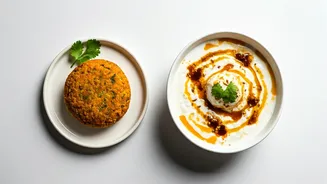
Indian street food, a source of immense comfort and nostalgia, is often unfairly labelled as a diet's nemesis. Among the most adored snacks are aloo tikki
and dahi bhalla, frequent stars of evening outings and festive gatherings. For those striving to shed weight, the internal debate is intense: should these delights be entirely shunned, or could one be a wiser selection over the other? The answer hinges not on outright avoidance, but on a nuanced understanding of their composition, nutritional offerings, and the significant impact of preparation methods and portion sizes. With careful consideration, even these popular street foods can find a place, albeit occasionally, within a balanced weight management plan.
Nutritional Showdown
At its core, aloo tikki is crafted from mashed potatoes, often enhanced with peas, aromatic spices, and sometimes breadcrumbs, before being subjected to frying. While potatoes themselves are not inherently detrimental – being a source of fibre, potassium, and Vitamin C when boiled and low in fat – the transformation through frying dramatically escalates their calorie and fat content. A typical serving of street-style aloo tikki can hover around 150 to 200 calories, with a substantial portion stemming from refined carbohydrates and added oils. Conversely, dahi bhalla is constructed from fritters made of lentil batter, which are then steeped in creamy yoghurt. Lentils are lauded for their plant-based protein and fibre content, both crucial for promoting satiety and supporting muscle health during weight reduction. The yoghurt component introduces beneficial probiotics and calcium, with research suggesting a link to improved digestive function and enhanced metabolic health. However, the nutritional advantage of dahi bhalla can be undermined by excessive amounts of sweet chutneys and rich, full-fat yoghurt, which can rapidly inflate sugar and calorie counts.
Calories, Carbs, and Fat
Calories are undeniably central to the weight loss equation, but their origin is equally significant. Aloo tikki primarily comprises carbohydrates, with its caloric density derived largely from starch and absorbed oil. While it might offer initial fullness, its rapid digestion can lead to a premature return of hunger. Dietitians frequently highlight how foods rich in refined carbohydrates and fats, but lacking in protein, can induce sharp fluctuations in blood sugar levels – leading to energy crashes and subsequent cravings, potentially triggering overconsumption later in the day. Dahi bhalla generally presents a more favourable macronutrient distribution, although its calorie tally can escalate swiftly based on the chosen accompaniments. The presence of protein and fibre in dahi bhalla contributes to a more sustained feeling of fullness compared to the largely carbohydrate-based aloo tikki.
Satiety Power: Protein & Fibre
Registered dietitians consistently emphasize the pivotal role of protein and fibre in managing appetite effectively. This is precisely where dahi bhalla demonstrates a distinct advantage. The lentils used in its preparation are a valuable source of plant-based protein, and the yoghurt adds further to the feeling of fullness. Scientific studies indicate that diets higher in protein can contribute to a reduction in overall calorie intake by enhancing satiety signals. When dahi bhalla is prepared with a moderate amount of yoghurt and minimal added sugars, it is considerably more effective at keeping you satisfied for an extended period compared to a fried snack like aloo tikki, which offers less sustained fullness.
Cooking Methods Matter
The method employed in preparing food often carries more weight in a dietary context than the ingredients themselves. Aloo tikki that is deep-fried becomes a sponge for oil, significantly boosting its fat and calorie profile. Even shallow-fried versions can become calorie-dense if cooked with an excessive amount of oil. Many nutrition experts advocate for baking or air-frying aloo tikki as more health-conscious alternatives, as these techniques reduce fat absorption while preserving flavour, making them more compatible with a calorie-controlled diet. Dahi bhalla also benefits immensely from mindful preparation. While soaking the fried lentil vadas can help remove some surface oil, it doesn't eliminate it entirely. Minimizing the oil used during frying and opting for whisked, low-fat yoghurt can substantially enhance its nutritional value.
Portion & Topping Impact
The size of your serving plays a crucial role in determining whether street food can be incorporated into a weight loss plan. Consuming two or three aloo tikkis, especially when accompanied by various chutneys, can easily lead to an intake exceeding 400 calories. Similarly, a bowl of dahi bhalla laden with sweet tamarind chutney, crispy sev, and extra curd can also push calorie counts to comparable levels. Sports nutritionists often advise reducing high-calorie toppings and relying more on spices to enhance flavour. Choosing a cooling green chutney over a sweet one, omitting the sev, and requesting less curd can significantly lighten a serving of dahi bhalla. For aloo tikki, limiting consumption to a single piece and pairing it with a protein-rich accompaniment like a small serving of plain yoghurt can help maintain dietary balance.
The Verdict: Which Reigns Supreme?
When forced to choose between the two in their typical street-food forms, dahi bhalla emerges as the more advantageous option for weight management. Its higher protein content, beneficial probiotics, and superior satiety-promoting qualities make it a more diet-friendly choice, provided it is prepared thoughtfully. Aloo tikki is not entirely off the table, but its inherently fried nature and lower protein quotient mean it's better suited for occasional indulgence rather than regular consumption. The consensus among most nutritionists is that successful weight loss doesn't necessitate complete dietary restriction, but rather, making smarter, more informed choices. Opting for controlled portions of dahi bhalla or preparing a healthier rendition of aloo tikki at home allows for the enjoyment of familiar flavours without compromising progress. Ultimately, achieving balance, cultivating awareness, and practicing moderation are far more impactful than completely foregoing beloved foods.