




Pomegranate Powerhouse Benefits
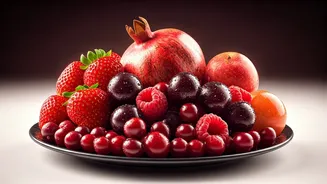
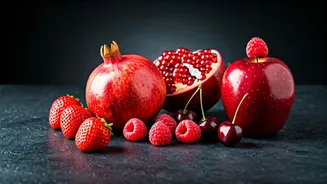
Pomegranates, often hailed as superfoods, possess remarkable properties that actively support cardiovascular health. Scientific studies indicate that regular
consumption can lead to a notable reduction in both systolic and diastolic blood pressure, with some individuals experiencing a decrease of up to 5 mmHg. This impressive effect is attributed to their rich concentration of polyphenols and antioxidants, which work synergistically to promote blood vessel relaxation and combat inflammation. Integrating a small bowl of fresh pomegranate seeds or a modest glass of pure juice (150-200 ml) into your morning or midday meals can be an effective strategy. The natural sweetness and satisfying texture make them a delightful addition that contributes meaningfully to blood pressure management.
Strawberry's Nitric Oxide Boost
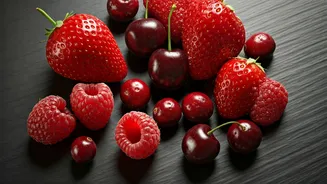
As a beloved member of the berry family, strawberries offer a wealth of health benefits, particularly for blood pressure. Their vibrant red hue comes from anthocyanins, potent compounds that encourage the body to produce more nitric oxide. This crucial molecule plays a vital role in vasodilation, improving blood flow and consequently lowering blood pressure. Research has shown that individuals with elevated blood pressure can observe gradual yet significant positive changes when incorporating strawberries into their diet. Aiming for about one cup of fresh strawberries daily, whether mixed into breakfast cereal, layered with yogurt, or enjoyed on their own, is an excellent way to harness their heart-healthy potential, ideally during morning or early afternoon.
Cherry's Arterial Flexibility
Cherries, especially their tart varieties, are champions of heart health. The anthocyanins and flavonoids abundant in these fruits are instrumental in maintaining the flexibility of your arteries, while also helping to curb inflammation. This dual action ensures that blood can circulate more freely, reducing the strain on your cardiovascular system and contributing to lower blood pressure. Enjoying a handful of 10-15 cherries as an evening snack, or occasionally sipping on unsweetened cherry juice, can be beneficial. As an added perk, consuming cherries in the evening might also contribute to improved sleep quality, offering a dual benefit for well-being.
Watermelon's Citrulline Secret
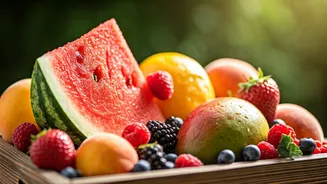
Despite its natural sugars, watermelon stands out as a beneficial fruit for heart health, largely due to its high content of citrulline. This amino acid is a precursor to nitric oxide, the same compound that helps relax blood vessels and facilitate smoother blood flow. By regularly consuming slices of watermelon, you can support your body's natural mechanisms for reducing blood pressure. Opt for one to two cups of sliced watermelon, free from added sugars or excessive salt, as an ideal afternoon refreshment or post-workout thirst quencher. Its hydrating properties combined with citrulline make it a smart choice for cardiovascular support.
Tomato's Lycopene Advantage
Though often used as a vegetable in culinary contexts, tomatoes are botanically classified as fruits and offer significant cardiovascular advantages, primarily due to their rich lycopene content. Studies have indicated that lycopene can effectively reduce systolic blood pressure, with higher intakes showing more pronounced effects. Whether consumed raw in salads, enjoyed as fresh juice, or cooked into sauces and soups, tomatoes provide a substantial dose of this powerful antioxidant. Interestingly, the bioavailability of lycopene is enhanced through cooking, making cooked tomato products an excellent source for reaping these blood pressure-lowering benefits.