






Choosing Your Bean Variety
Selecting the right bean seeds is crucial for a successful summer garden, especially in India's warm climate. French beans, also known as string beans, thrive
in humid conditions, making them an excellent choice for the season. Alternatively, cowpeas, commonly called lobia or black-eyed beans, are a robust option as they are quite resilient to heat and require less water. When purchasing seeds, opt for those that appear healthy, firm, and have not been treated with chemicals. For the best results, consult with staff at local nurseries; they possess invaluable knowledge about which bean varieties are best suited to your specific regional climate and will likely recommend those proven to flourish in your area. This initial step ensures you're setting your garden up for success from the very beginning, paving the way for a fruitful growing experience.
Setting Up The Planting Spot
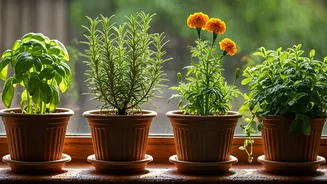
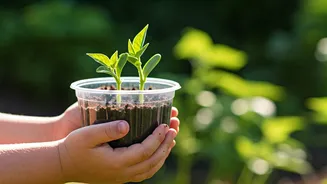
Beans are sun-loving plants and require a minimum of five to six hours of direct sunlight daily to thrive. Therefore, it's essential to identify a location that receives ample bright sunshine, whether it's a balcony, terrace, or a dedicated spot in your garden. You have several options for planting containers: traditional pots that are at least eight to ten inches deep and equipped with drainage holes, flexible grow bags which are ideal for smaller spaces, or directly in garden beds if you have available soil. Regardless of the choice, the soil mixture needs to be well-draining and rich in nutrients. A good blend can be created by combining garden soil with compost and either cocopeat or vermiculite. This mixture helps retain adequate moisture without becoming waterlogged, which beans dislike. An engaging activity for children is allowing them to assist in mixing the soil, letting them feel its texture as a sensory exploration.
Sowing Seeds Correctly
Planting bean seeds at the correct depth and spacing is key to their healthy development and germination. Sow each seed approximately three to four centimeters deep into the prepared soil. Ensure there is a spacing of about ten to fifteen centimeters between individual seeds. If you are planting in rows, it is advisable to keep the rows about thirty centimeters apart. This wider spacing promotes better air circulation around the plants, reducing the risk of diseases, and provides ample room for them to grow and spread. After sowing, water the soil lightly until it is moist but not saturated. A fun, interactive way to involve children in this step is by using a stick to draw a simple grid pattern in the soil, and then having them carefully place one seed within each designated square.
Providing Support For Growth
Many popular bean varieties are climbers, meaning they naturally grow upwards and require a support structure to do so effectively. Setting up this support early on is vital for the plant's health, air circulation, and makes the eventual harvesting process much easier. You can utilize readily available materials such as bamboo sticks, trellis nets, sturdy strings, or even small poles. As the vines begin to grow, gently tie them to the support using soft string. The act of watching the plants ascend their support system is often one of the most captivating and exciting aspects for children, turning the gardening process into a visual spectacle.
Watering And Plant Care
While beans do not tolerate overly wet soil conditions, they do require consistent watering, especially during the hot summer months. The best times to water are in the early morning or late afternoon when temperatures are cooler. The goal is to maintain soil that is evenly moist. Daily checks are recommended: if the leaves appear droopy, it's a clear sign the plant needs water. Conversely, if the soil starts to crack, it indicates it has become too dry. It is crucial to avoid waterlogging the soil, as this can damage the roots. Applying a layer of mulch, such as dry leaves or straw, around the base of the plants helps to keep the soil cool and retain moisture. You can empower your child by giving them a small watering can and a chart to track which days the plants have been watered, instilling a sense of routine and responsibility.
Natural Plant Nourishment
Beans are generally not heavy feeders, meaning they don't require intensive fertilization. A simple feeding routine usually involves mixing well-rotted compost or vermicompost into the soil every few weeks. This provides sufficient nutrients to keep the plants healthy and productive without the need for synthetic chemical fertilizers. For proactive pest management, you can gently spray a mild neem oil solution if you observe common pests like aphids or whiteflies. Neem oil is a safe and natural option when applied according to the product's instructions, ensuring the well-being of your plants and the environment.
Harvesting and Enjoying
Within approximately six to eight weeks of planting, you should start to see flowers appear, signaling that the bean pods will soon follow. Most bean varieties are best harvested when they are young, tender, and firm. Regular harvesting is beneficial as it encourages the plant to produce more pods. Make the harvesting process a celebratory event for your children. Allow them to experience the immense pride of picking the very beans they helped grow from seed. This tangible reward reinforces their effort and connects them directly to the fruits of their labor, fostering a sense of accomplishment and wonder.
Cooking Your Harvest
Once your delicious beans have been harvested, they can be transformed into a variety of simple and healthy meals. Consider preparing a quick stir-fry with your freshly picked beans and a blend of aromatic spices. Another delightful option is a traditional beans sabzi, enhanced with the addition of onions and tomatoes. For a lighter, refreshing dish, a fresh bean salad seasoned with lemon juice and salt makes for a perfect summer side. The act of growing and then preparing your own food significantly helps children develop a deeper connection with healthy eating habits and fosters a greater appreciation for the origin of their meals, understanding the journey from garden to plate.