





The Cozy Sweater Analogy
Imagine your house wearing a warm sweater during the winter months. This isn't just a whimsical thought; it's a practical approach to home insulation that
can lead to remarkable energy savings. By adding an extra layer of protection, much like a sweater shields you from the cold, you prevent heat from escaping your home. This barrier works in two key ways: it stops warm air generated by your heating system from leaking out through tiny cracks and gaps, and it prevents cold outside air from seeping in. Such enhanced insulation is crucial for maintaining a comfortable indoor temperature without overworking your heating system. This is especially important as your furnace or boiler has to work harder and longer to compensate for heat loss, leading to inflated energy consumption. By addressing the building envelope, you create a more efficient environment that requires less energy to keep warm.
Achieving Significant Savings
Implementing effective insulation strategies can yield impressive results, with studies indicating potential reductions in heating bills of up to 23%. This substantial saving is achieved by minimizing heat transfer, a constant battle during colder seasons. When heat escapes through uninsulated walls, attics, windows, and doors, the heating system must continuously replenish that lost warmth, driving up energy usage and costs. By properly sealing air leaks and adding insulating materials, you create a more airtight and thermally resistant home. This means your heating system can run more efficiently, reaching and maintaining your desired temperature with less effort. The direct impact is a noticeable decrease in your monthly energy expenditures. Beyond financial benefits, improved insulation also enhances overall home comfort by eliminating drafts and cold spots, contributing to a more consistent and pleasant living environment throughout winter.
Practical Insulation Solutions
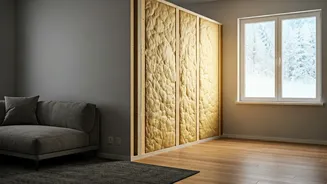
Transforming your home into an energy-efficient haven doesn't always require extensive renovations. Simple, cost-effective measures can significantly boost insulation. For instance, sealing gaps around windows and doors with weatherstripping or caulk is a fundamental step. These seemingly small openings can be major culprits for heat loss and draft entry. Another critical area is the attic, which is often a significant source of heat escape due to its proximity to the colder outside air. Adding or improving attic insulation can make a substantial difference. Insulating exterior walls, though a more involved project, provides a robust defense against heat loss. Even insulating crawl spaces and basements can contribute to a warmer, more comfortable home and reduce the load on your primary heating source. These methods collectively work to create a more sealed and insulated building envelope, directly translating to reduced energy waste and lower heating bills.