






The Hidden Sugar Drop
Many individuals experience a strong desire for something sweet immediately following a meal, even if they don't feel hungry. While often dismissed as
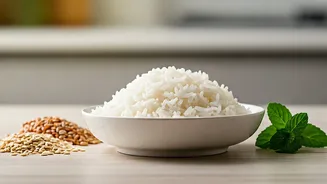
a preference or cultural habit, new scientific insights suggest this post-meal sugar craving can be an indicator of underlying metabolic imbalances. Meals dominated by refined carbohydrates, such as rice or roti, can cause a rapid elevation in blood glucose levels. The body's response involves releasing insulin to lower these levels. However, if a meal lacks sufficient protein and fiber, this blood sugar spike can be followed by a swift decline. This rapid drop in blood sugar can trigger a signal to the brain, signaling a need for quick energy, which is frequently interpreted as a craving for sweets. This phenomenon, sometimes referred to as reactive hypoglycemia, is commonly experienced not as a diagnosed condition but as an persistent, difficult-to-ignore craving.
Protein's Crucial Role
A significant factor contributing to these persistent after-meal sugar cravings is often the inadequate intake of protein. Protein's importance extends beyond muscle building; it plays a vital role in how our bodies process food after consumption. It helps to moderate the pace of digestion, maintain stable blood sugar levels, and promote a sense of satiety that carbohydrates alone cannot replicate. When meals are deficient in protein, the body misses out on crucial signals of fullness and satisfaction. This deficiency prompts the brain to seek out rapid energy sources, leading directly to sugar cravings. Scientific evidence indicates that protein influences hormones like GLP-1 and peptide YY, which communicate feelings of fullness to the brain. A lack of sufficient protein weakens these signals, compelling the body to continue searching for sustenance. Research suggests that incorporating approximately 20–30 grams of protein into each meal can substantially reduce post-meal cravings. The focus should be on the composition of the meal rather than simply increasing the overall quantity of food.
Your Gut's Influence
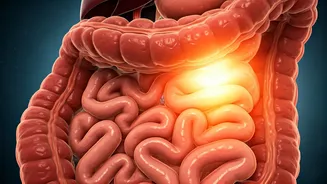
The health of your gut microbiome also plays a surprisingly significant role in dictating your food preferences, particularly your sweet cravings. The diverse community of bacteria residing in your gut adapts to the foods you consume regularly. Diets characterized by high levels of simple carbohydrates tend to foster the growth of sugar-loving bacteria. Consequently, this altered gut environment can actively influence your desire for sweet foods. If your dietary pattern consistently involves meals low in protein and high in refined carbohydrates, your gut bacteria may begin to exert a subtle influence, steering you more frequently towards sugary options. This isn't solely a matter of willpower; it's a biological mechanism reinforcing eating habits over time.
Behavioral Conditioning
It's important to acknowledge that not all after-meal sweet cravings are purely physical. Learned behavior also plays a substantial part. For many, the end of a meal becomes associated with a pleasurable reward. This association can be reinforced over time, leading to a psychological conditioning where the brain anticipates a sweet treat as a natural conclusion to eating. This anticipation can trigger a small release of dopamine, creating a sense of completion and satisfaction. However, the interplay between biology and behavior is complex. When blood sugar levels are effectively stabilized through a balanced diet, these psychologically driven cravings often diminish in intensity. This allows individuals to address both their physical and behavioral triggers more effectively.
Strategies for Balance
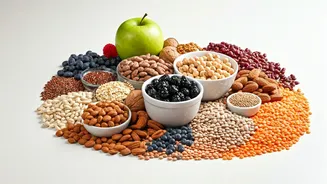
Modifying the pattern of post-meal sweet cravings doesn't necessitate complete abstinence from sweets, which is often unsustainable. Instead, implementing small, strategic dietary adjustments can yield significant results. Prioritizing protein-rich foods like eggs, lentils, paneer, tofu, or fish in your meals can profoundly impact your post-meal satisfaction. Pairing these with fiber-rich vegetables further aids in slowing down digestion in a beneficial way. Hydration is another factor, as mild dehydration can sometimes be misinterpreted as a craving. Adequate sleep also influences hunger hormones, and insufficient rest can increase the body's desire for quick energy from sugar. Furthermore, addressing the habitual aspect is crucial. If ending meals with sweets has become an ingrained routine, it will take conscious effort to break this automatic association. This can be achieved not by forceful restriction but by gradually decoupling the meal from the automatic sweet reward.