









Global Ebola Threat
The Director-General of the World Health Organization, Dr. Tedros Ghebreyesus, has voiced considerable apprehension regarding the swift and expansive nature
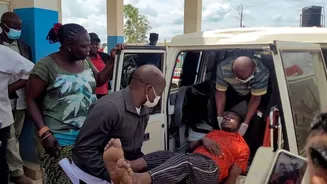
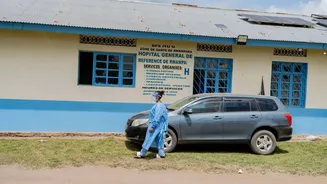
of the current Ebola epidemic. He articulated this concern to attendees at the World Health Assembly, emphasizing that the reported figures are dynamic and expected to evolve as on-the-ground operations intensify, including enhanced monitoring, tracking of individuals who have come into contact with infected persons, and more extensive laboratory testing. This global alert comes as the virus has been detected outside its primary outbreak zone, with an American citizen contracting Ebola after exposure in the Democratic Republic of Congo (DRC). In response, the United States has introduced new travel screening measures specifically targeting the ongoing epidemic in the DRC and Uganda. Dr. Ghebreyesus highlighted the alarming statistics, noting over 500 suspected cases and more than 130 suspected fatalities spanning both the Democratic Republic of Congo and Uganda. The most recent reported toll indicates 131 deaths. Specifically, the Congo has recorded 516 suspected cases with 33 confirmed, while Uganda has identified two confirmed cases, according to official daily updates from health authorities in these nations.
India's Precautionary Steps
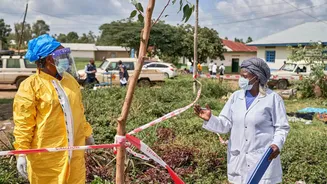
Despite the absence of any Ebola cases within India and a currently assessed low risk level, the nation's Ministry of Health has conducted a thorough review of the situation and its public health preparedness strategies. This proactive assessment is a critical precautionary measure. Sources indicate that surveillance and readiness protocols are being fortified at all entry points into the country, including airports and seaports, as well as throughout the broader public health infrastructure. Key officials from organizations such as the National Centre for Disease Control, the Integrated Disease Surveillance Programme, and the Indian Council of Medical Research participated in these crucial discussions. Public health professionals underscore that Ebola, unlike airborne illnesses such as influenza or COVID-19, can spread rapidly through close contact and delayed detection, making early identification paramount. The preparedness initiatives encompass a review of existing standard operating procedures for screening, ongoing surveillance, potential quarantine measures, and the management protocols for any suspected or confirmed cases that might arise. Laboratory readiness has also been a focal point, with the National Institute of Virology in Pune designated for testing, and plans underway to involve additional laboratories in a phased manner. Furthermore, arrangements are being made to identify suitable isolation and quarantine facilities at major international airports and ports across the country.
Surveillance and Coordination
India's existing surveillance mechanisms are on high alert, drawing upon the nation's valuable experience in managing other high-risk infectious disease threats, including Nipah virus, COVID-19, and monkeypox. These past experiences have led to the establishment of robust protocols for rapid response, effective contact tracing, and reliable laboratory confirmation. The Ministry of Health is actively engaged in coordinating efforts with various other ministries and governmental agencies to meticulously monitor international travel originating from the affected Ebola-stricken regions. Enhancements are being made to passenger travel history tracking systems, and information exchange protocols with immigration authorities and airport health officials are being strengthened as integral components of this precautionary surveillance network. This multi-agency collaboration is essential to ensure a comprehensive and coordinated approach to monitoring potential risks associated with international arrivals.
WHO's Identified Risks
During the annual World Health Assembly, Dr. Tedros Ghebreyesus pinpointed four significant risks associated with the current Ebola outbreak. First, there is a substantial concern about the potential spread into major urban centers, specifically mentioning Kampala in Uganda and Goma in the DRC, which are densely populated areas. Second, the highly volatile and insecure conditions in the Ituri province pose a significant challenge to field operations and have already led to the displacement of over 100,000 people, creating a complex humanitarian situation. Third, healthcare-associated transmission is a serious issue, with confirmed fatalities among healthcare workers underscoring the vulnerability within medical settings. Lastly, significant population movement across porous international borders presents a constant challenge for containment efforts, as it facilitates the potential spread of the virus to new geographic areas and populations.
Vaccine Limitations Explained
The effectiveness of current Ebola vaccines against the ongoing outbreak is a nuanced topic. Most of the currently approved vaccines are designed to target the Zaire ebolavirus strain, whereas the current epidemic involves the Bundibugyo or Sudan strains, to which these vaccines may offer limited protection. Moreover, even when administered, Ebola vaccines require approximately 10 to 14 days to stimulate a complete and robust immune response in the body. Consequently, individuals who are exposed to the virus either just before vaccination or shortly thereafter may still develop the disease. The World Health Organization also clarifies that no vaccine offers 100% protection. While vaccination significantly reduces the risk of severe illness and death, a vaccinated individual can still potentially become infected. Importantly, if a person was already in the incubation period of the Ebola virus before receiving the vaccine, they will still proceed to develop Ebola symptoms.
Understanding Ebola Transmission
Ebola is a formidable zoonotic infection, originating from the Orthoebolavirus family, and it can prove extremely fatal to humans. The transmission from person to person occurs through direct physical contact with infected bodily fluids. These fluids include blood, saliva, sweat, tears, vomit, feces, and breast milk, among others. The virus can also be transmitted indirectly by touching surfaces that have been contaminated with these fluids or through contact with the bodies of individuals who have succumbed to the infection. While many initial symptoms of Ebola mimic those of the flu, such as fever, headaches, muscle aches, and joint pain, a distinct and alarming characteristic of the disease is the occurrence of unexplained internal and external bleeding. This hemorrhagic manifestation is a key indicator that sets Ebola apart from more common viral illnesses.