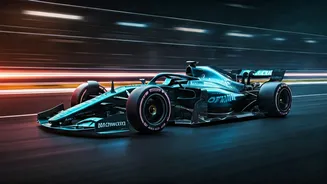










2026 Tech: Explained
The 2026 Formula 1 season is poised to be a game-changer, with significant technological adjustments. Fans should anticipate a new era shaped by advanced
regulations that redefine the sport's core components. Major alterations are slated for the engines, aiming for a shift in power dynamics, alongside fresh developments in tire technology. This transformation is designed to enhance racing competitiveness and elevate the challenges faced by both teams and drivers. The new Concorde Agreement will likely shape the financial structure of the sport, and Pirelli reveals its 2026 F1 Tyres, which will affect the drivers' strategies.
Engine and Aerodynamics
One of the most noteworthy changes for the 2026 season involves alterations to the engines. These modifications are geared towards increasing electrification and incorporating sustainable fuels, which would have substantial impact on the car design and aerodynamics. The shift towards greater electrical power will certainly force teams to reassess their strategies, possibly impacting race performance and the driver’s approach. The aerodynamic aspects, including the car's shape and how it manages airflow, will become critical for enhancing efficiency, as teams will look for novel strategies to optimize both their power units and aerodynamic structures.
Tyre Technology Advancements
Pirelli's reveal of the 2026 F1 tyres presents another important aspect of the upcoming changes. These tires have been explicitly engineered to improve both performance and sustainability. The aim is to create tires that are not only faster and more durable, but also enhance the overall racing experience for both the drivers and the fans. The tire designs and material compounds are likely to influence the teams’ strategies, and how the drivers handle tyre wear and pit stop timing. Additionally, this is likely to play an important role in the way races unfold, impacting everything from overtaking opportunities to overall racing tactics.
Impact on Teams
The technical overhauls planned for 2026 will present significant challenges and opportunities for Formula 1 teams. Teams will have to redesign their car's structures and refine their strategies and operations to adjust to the new regulations, which may bring about changes in the power unit and chassis designs. These teams will be required to invest in research and development to fully understand and utilize the new technologies. This period of adjustment might see some teams gaining a competitive edge as a result of their capacity to rapidly adapt to the new framework, while others might experience difficulties in integrating these changes efficiently.
Driver Strategies Evolve
With all the changes taking place, the drivers’ roles and strategies will also evolve. Their skills will be required to adapt to new cars and different handling traits. The introduction of sustainable fuels and increased electrical power will definitely alter how drivers manage their power, brake and tires. Furthermore, these changes will call for drivers to reconsider their race tactics, including how they approach overtaking, manage tyre wear, and handle pit stop schedules. Drivers who can quickly adapt their styles and effectively use the new technologies will probably have a huge advantage, shaping their performances during the upcoming season.
The Future of F1
The modifications planned for the 2026 season signify a clear effort to move Formula 1 toward a more technologically sophisticated, sustainable, and competitive landscape. The new regulations affecting engines, aerodynamics, and tires will undoubtedly transform the racing dynamics, offering fresh prospects and obstacles to the teams and drivers. These changes are expected to make races more exciting, as well as to keep the sport relevant and in line with the advancements in automotive technology. The goal is to provide a future for Formula 1 that builds on its legacy while embracing cutting-edge innovation.