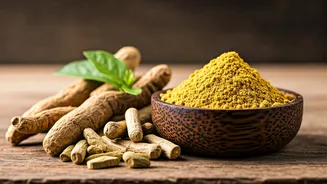







Ashwagandha: An Introduction
Ashwagandha, often called Indian ginseng, holds a prominent place in Ayurvedic medicine. This ancient practice values its adaptogenic qualities, making
it a key element in managing stress and promoting equilibrium within the body. This herb is also lauded for its potential to boost both physical and mental well-being. Rich in antioxidants, Ashwagandha shields cells from oxidative stress and helps fortify the immune system. Regularly incorporating Ashwagandha into your diet can lead to enhanced energy levels and improved cognitive function. Its versatility allows for easy integration into various food preparations, making it a convenient addition to everyday meals.
Ashwagandha in Smoothies
One of the simplest ways to add Ashwagandha is by blending it into your daily smoothie. Start with a small amount, typically a teaspoon of Ashwagandha powder, and gradually increase it as needed. Ashwagandha’s earthy flavor combines well with fruits like berries, bananas, and mangoes. Consider adding a handful of spinach or kale for extra nutrients, and a touch of honey or maple syrup for sweetness, if desired. You can also mix it with other adaptogens like turmeric or ginger for additional benefits. The beauty of this method lies in its adaptability; the flavors can be adjusted to suit your taste, making it a convenient and enjoyable way to consume Ashwagandha. This approach ensures a quick and easy dose of the herb, perfect for those with busy schedules.
Ashwagandha in Beverages
Beyond smoothies, Ashwagandha can enhance the nutritional value of various beverages. Try adding it to your morning coffee or tea. A small pinch of Ashwagandha powder, carefully mixed, can reduce the bitterness of coffee and add a subtle earthy flavor. In tea, it can complement the flavors of herbal blends such as chamomile or peppermint, adding a layer of calmness. Consider using Ashwagandha in golden milk, a traditional Ayurvedic drink made with turmeric, ginger, and other spices. By using Ashwagandha in your drinks, you can easily turn your daily rituals into opportunities for health and wellness. This method is especially appealing because it requires minimal additional effort while providing significant health benefits.
Ashwagandha in Cooking
Ashwagandha can also be incorporated into a variety of cooked dishes. It pairs particularly well with savory recipes. Try adding Ashwagandha powder to soups, stews, or curries during the cooking process. A small amount can subtly enhance the flavor profile and add a nutrient boost. When preparing sauces, a pinch of Ashwagandha can be stirred in to improve their nutritional value. It can also be added to baked goods such as muffins or energy bars, though the taste may need some adjusting. Keep in mind that Ashwagandha’s flavor is distinctive, so start with small amounts to avoid overpowering the other ingredients. Cooking with Ashwagandha is an effective way to integrate it into your meals, especially for those who prefer to consume their nutrients through cooked food.
Ashwagandha with Supplements
For targeted and consistent dosing, Ashwagandha can be consumed through supplements. Various forms are available, including capsules, tablets, and liquid extracts. These supplements typically contain standardized extracts, providing a known amount of active compounds. Always follow the dosage instructions on the product label or consult with a healthcare professional for guidance. Combining Ashwagandha supplements with a balanced diet can amplify the benefits. Supplements provide a convenient, pre-measured dose and can be particularly useful for people who find it difficult to regularly incorporate Ashwagandha into their food. Moreover, they allow for precise control of the dosage, crucial for those seeking specific health outcomes.