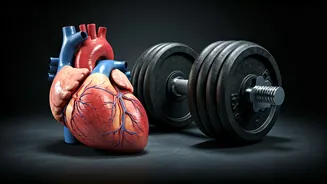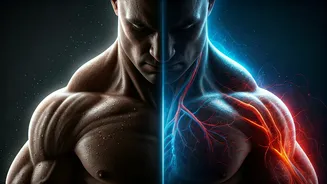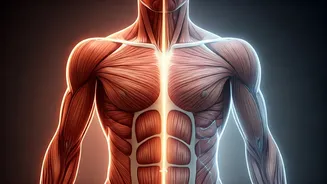







Strength vs. Stamina
Engaging in regular weightlifting builds considerable muscle strength and power, leading to a feeling of physical prowess. However, when cardio exercises
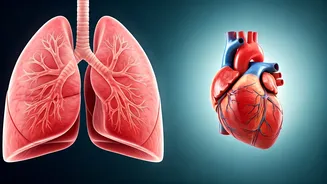
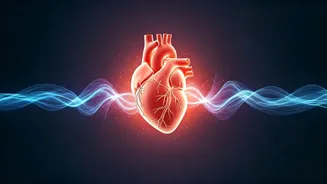
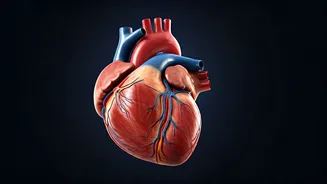
like running, swimming, or even climbing stairs are entirely absent from a fitness regimen, the body's capacity for sustained activity is significantly compromised. This means that while muscles might be robust for specific resistance tasks, the heart and lungs remain underdeveloped for general daily exertion. Consequently, simple actions such as ascending a flight of stairs, a brisk walk to catch a bus, or carrying groceries can quickly lead to exhaustion. The cardiovascular system, not regularly challenged by prolonged aerobic effort, struggles to efficiently pump blood and oxygen, causing an elevated heart rate and breathlessness even with minimal exertion. This disparity highlights that true fitness encompasses both muscular power and sustained endurance.
The Impact on Recovery
The absence of cardiovascular training not only affects immediate performance but also plays a critical role in how your muscles recover after strenuous efforts. While strength training does create new muscle fibers, it doesn't proportionally enhance the circulatory system's ability to deliver oxygen and nutrients to these muscles, nor does it efficiently remove metabolic waste products. Without the improved blood flow facilitated by cardio, muscles can remain sore for longer periods, and the recovery process is notably slower. Individuals who focus solely on lifting might feel incredibly capable during their weight sessions but find themselves easily fatigued and out of breath during the warm-up phases of other activities or even during short bursts of movement. This is because their heart hasn't been adequately conditioned to handle sustained aerobic demands, leading to a mismatch between their perceived strength and their actual physical stamina.
Joint Health Neglected
While weightlifting might not directly harm joints, consistently avoiding cardio can lead to indirect negative consequences, particularly concerning joint health. A lack of cardiovascular fitness can subtly alter an individual's posture and fundamental movement patterns. When the body tires quickly due to poor endurance, the quality of one's form during any physical activity, including lifting, tends to degrade faster. This deterioration in technique can place undue stress on crucial joints like the knees, hips, and lower back, increasing the risk of discomfort or injury over time. Cardiovascular exercise, on the other hand, actively promotes better circulation throughout the body, enhances flexibility, and improves overall mobility. These factors are vital for creating a stable and resilient foundation, which in turn helps protect the joints when performing demanding strength-based exercises.
Slower Fat Loss Journey
For many aiming for a defined physique, neglecting cardiovascular exercise can significantly impede progress in fat loss. Cardio is a powerful tool for accelerating metabolism, enabling the body to burn calories more efficiently and utilize energy effectively. When this component is missing from a fitness plan, the rate at which the body sheds fat slows down considerably. This can result in a physique that appears strong and muscular but lacks the lean definition many desire, potentially leading to a 'bulky' appearance rather than one that is toned. The frustration of spending numerous hours in the gym, building significant strength, only to feel sluggish and not achieve the desired aesthetic can be disheartening for those who overlook the fat-burning and metabolic benefits of consistent cardio workouts.
The Balanced Approach
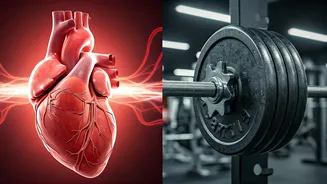
Achieving holistic fitness and optimal body function necessitates a balanced integration of both strength training and cardiovascular exercise. A routine that incorporates elements of both, even in moderate forms like brisk walking, cycling, or light jogging alongside weightlifting, yields substantial benefits. This synergy dramatically improves heart health, aids in more efficient muscle recovery, substantially lowers the risk of incurring injuries, and cultivates the stamina required to support one's physical appearance. Ultimately, true fitness is not solely measured by the size of one's muscles or the weights lifted; it is fundamentally about the body's sustained ability to perform physical activities without succumbing to fatigue, ensuring a robust and functional physique.