







Weight and Tactile Feel
When you hold platinum and silver, a noticeable difference in weight immediately becomes apparent. Platinum possesses a substantial, luxurious heft that
feels significant and premium when worn, whether as a ring or necklace. This solid sensation serves as a constant reminder of its preciousness and quality. Silver, in contrast, is considerably lighter, which can be an advantage for larger, more intricate designs, allowing for comfortable wear. However, this lightness means it lacks the inherent feeling of opulence that platinum offers. The choice hinges on whether you prefer jewelry that is barely perceptible or something with a tangible, grounding presence.
Durability and Longevity
Platinum stands out for its exceptional resilience and low maintenance, making it an ideal choice for daily wear. Its inherent strength means that even when subjected to scratches, the metal doesn't actually lose mass; it simply shifts, eventually developing a soft, matte patina that many find aesthetically pleasing. Silver, while beautiful, is a softer metal. It scratches more readily and can deform more easily, requiring more careful handling. Furthermore, silver is prone to tarnishing, a process that dulls its shine and necessitates regular polishing to restore its luster. For pieces intended for constant wear, such as wedding bands or engagement rings, platinum's durability offers superior long-term value and less upkeep.
Rarity and Intrinsic Value
A significant factor distinguishing platinum from silver lies in their geological rarity. Platinum is considerably scarcer than both gold and silver, making it inherently more valuable. The mining and refining processes for platinum are also more complex and costly, contributing to its premium market position. Silver, on the other hand, is far more abundant and has been widely utilized throughout history in various applications beyond jewelry, such as coinage and tableware. This greater accessibility translates into a more affordable price point for silver jewelry. Consequently, for those prioritizing long-term investment potential or resale value, platinum emerges as the more significant asset.
Visual Appeal and Finish
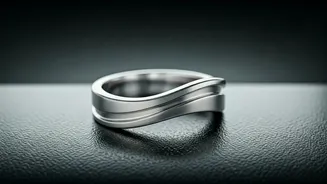
At first glance, platinum and silver share a similar cool, white-metal aesthetic, but subtle differences in their appearance become evident upon closer inspection. Platinum offers a softer, subtly grayish tone that conveys an understated elegance and refined sophistication. It's a metal that doesn't demand attention but rather exudes quiet confidence. Silver boasts a brighter, more reflective surface that readily catches the light, making it instantly eye-catching. However, this brilliant shine is not permanent; silver's tendency to tarnish means it requires consistent care to maintain its initial sparkle. Your preference for a subtle, sophisticated look versus a bright, attention-grabbing one will guide your choice between platinum's refined hue and silver's dazzling brilliance.
Maintenance and Care Needs
The level of effort required for upkeep presents a clear divergence between platinum and silver. Platinum is exceptionally low-maintenance; it resists tarnishing and fading, requiring only occasional cleaning to maintain its appearance. It's a 'wear it and forget it' kind of metal. Silver, conversely, demands more attention. Its susceptibility to tarnishing, particularly in humid environments common in regions like India, necessitates regular polishing to keep it looking its best. Proper storage, such as in anti-tarnish bags, is also beneficial. Essentially, while silver offers a captivating shine, it comes with the commitment of ongoing care, whereas platinum offers enduring beauty with minimal fuss.
Style, Meaning, and Cultural Context
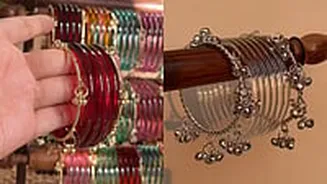
Platinum is often associated with significant life milestones and enduring commitment, frequently chosen for engagement rings, wedding bands, and heirloom pieces due to its perceived permanence and ceremonial weight. It embodies a sense of formal elegance and lasting value. Silver, in contrast, offers a more relaxed and versatile style, perfect for everyday wear, experimenting with trends, and creating layered looks. Culturally, especially within India, silver holds deep traditional significance, appearing in religious artifacts, traditional jewelry like anklets, and even household items. While platinum aligns with a modern, urban aesthetic, silver is deeply woven into the cultural fabric, representing both everyday utility and rich heritage. The choice reflects not just personal style but also cultural resonance.