





Observe and Learn
Before diving into planting, take a stroll through your neighborhood and observe what's already thriving. This localized insight is invaluable, offering
a preview of what will genuinely flourish in your specific climate, rather than relying solely on what looks appealing at the nursery. This simple act of observation shifts your decision-making from impulse buys to informed choices based on successful local examples, ensuring a more resilient and vibrant garden from the outset. It’s about gardening smarter, not just harder, by leveraging the wisdom of what’s already proven to work in your immediate environment. This approach cultivates a deeper connection with your local ecosystem and leads to more successful planting outcomes.
Frost Dates Matter
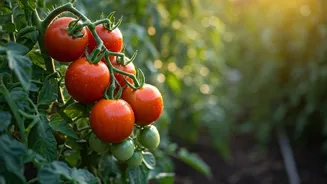
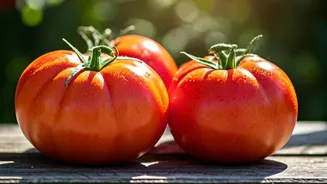
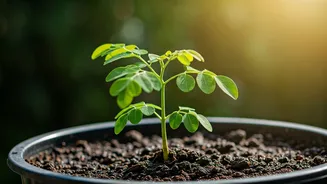
Calendar months can be deceptive; the true guide for planting is your area's last frost date. For sensitive warm-season vegetables and annual flowers, patience is key. Waiting until after the risk of frost has completely passed is crucial for their survival and robust growth. This is particularly vital for plants like tomatoes, which benefit immensely from being planted deeper than usual. As temperatures rise, the buried stem will develop an expanded root system, providing a stronger foundation that pays dividends throughout the growing season, ensuring healthier plants and better yields.
Add Structural Elements
Achieve a polished yard by thinking beyond just seasonal color; focus on creating a solid structure. May is an ideal time to introduce woody plants like trees and shrubs, as they establish themselves exceptionally well during this period. Consider hardy options like the serviceberry, which offers edible berries and attracts beneficial wildlife. While these plants don't offer the immediate visual impact of annuals, they provide enduring form and shape to your landscape over time. Incorporating even one or two structural plants can dramatically enhance the perceived design and completeness of your outdoor space, transforming a scattered look into a more intentional one.
Measure Before Planting
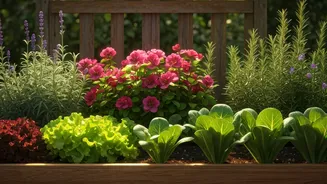
A common gardening pitfall is skipping the essential step of measuring planting beds. Before acquiring any plants, take precise measurements of your garden spaces and sketch a layout or physically walk the area to determine what will fit where. Overcrowded beds lead to a chaotic appearance rather than a lush one, and purchasing plants without a plan often results in awkward empty spots or overly dense areas. Consider implementing a layered planting approach: tall canopy trees, mid-level shrubs, and lower herbaceous plants like perennials, groundcovers, and annuals. This technique adds depth and intentionality, making even small yards feel more expansive and thoughtfully designed, while also supporting a richer array of native wildlife.
Embrace Natural Debris
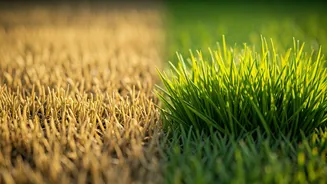
Resist the urge to completely clear your yard in spring. The foundation of a healthy backyard habitat lies in decaying leaves, wood, and natural debris, which are essential for supporting insects, birds, and other wildlife. The goal is a managed, rather than a perfectly sterile, yard. This is also an opportune time to convert underutilized lawn areas into planted beds. Replacing turf with shrubs, perennials, or groundcovers not only creates a more designed aesthetic but also significantly reduces long-term maintenance. A May yard reset is about making strategic, well-timed decisions that lead to a more settled outdoor space requiring less intervention as the season progresses.