






The Alcohol Angle
The realm of health presents numerous elements that impact our wellbeing, and among these, alcohol intake holds a noteworthy position. The discourse around
alcohol often pivots toward the extremes of excessive consumption, but there's a growing appreciation for the potential risks associated with even seemingly moderate drinking habits. Oncologists are increasingly shedding light on this phenomenon, especially concerning oral health. The link between alcohol use and cancer, particularly oral cancer, isn't always straightforward. However, it’s imperative to explore the nuances of this association and understand that consistent alcohol exposure, regardless of quantity, could instigate a slow but steady increase in cancer risk. The message is to understand the scope of the risk.
Daily Habits: The Risk
The consumption of alcohol is a common component of numerous social customs and daily routines. What some might not realize is that the frequency and amount of alcohol consumption are crucial when considering health risks. Even a single drink each day, according to oncologist insights, can subtly elevate the risk of oral cancer. This isn’t a declaration that every single drink leads to cancer, but it signifies a persistent exposure that can, over time, affect the body's natural defense mechanisms. This slow escalation can be attributed to the way alcohol interacts with the cells in the mouth and throat. These interactions highlight the necessity of carefully reviewing our consumption habits and being proactive about health.
Early Warning Signals
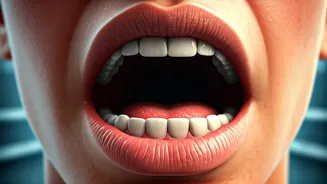
Detecting oral cancer in its initial phases can significantly improve the chances of effective treatment and long-term survival. Recognizing early warning signs is a critical component of preventative care, and understanding these indicators can enable people to take prompt actions. An oncologist could tell you about some of the most common early signals. Among these are persistent mouth sores that don't heal, white or red patches inside the mouth, and any unexplained lumps or thickening of the cheek tissues. Additionally, difficulty swallowing or persistent hoarseness could also indicate potential problems. Timely recognition and subsequent consultation with a healthcare professional are essential for accurate diagnosis and timely treatment.
Preventative Measures
Taking preventative steps is crucial for mitigating the risks associated with alcohol consumption and safeguarding oral health. One of the most effective methods is to moderate or eliminate alcohol intake altogether. However, there are also other approaches people can implement. Regular dental check-ups are essential, allowing dental professionals to observe for any unusual anomalies or early indications of oral cancer. A balanced diet filled with fruits and vegetables is another critical component in a healthy lifestyle, contributing to general well-being and supporting the body's natural defensive mechanisms. Avoiding tobacco products is also a crucial step, as these further raise the risk of oral cancer in combination with alcohol.