






Fatty Fish Powerhouse
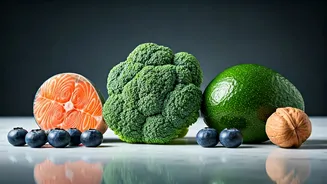
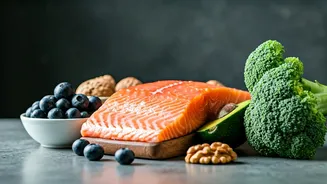
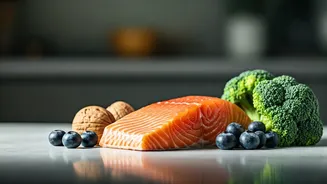
For a resilient brain, incorporating fatty fish into your weekly meals is paramount. These aquatic gems, such as salmon, grouper, and halibut, are brimming
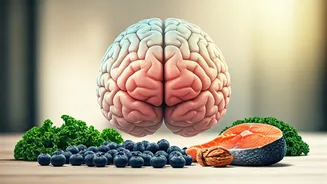
with omega-3 fatty acids. These essential fats are not just 'good fats'; they possess potent anti-inflammatory properties, crucial for protecting delicate brain tissue from damage. When selecting fish, opting for wild-caught varieties is often recommended over farm-raised. This preference stems from the cleaner diet of wild fish, which translates to a more beneficial nutrient profile for consumers, free from potential contaminants found in farm-raised feed. These omega-3s play a vital role in maintaining cell membrane fluidity and supporting neurotransmitter function, ultimately contributing to improved cognitive performance and a reduced risk of neurodegenerative diseases.
Leafy Greens Vitality
Don't underestimate the power of vibrant green vegetables for your brain's health. Leafy greens like bok choy, asparagus, and broccolini are nutritional powerhouses, offering a wealth of fiber, folate, lutein, and beta-carotene. These compounds work synergistically to support cognitive function and protect against age-related decline. Fiber, in particular, is crucial for a healthy gut microbiome, which has a profound impact on brain health through the gut-brain axis. Dr. Lord suggests preparing these greens through methods like steaming, blanching, or sautéing, often with a touch of olive oil, salt, and roasted garlic added towards the end of cooking. This gentle preparation preserves their delicate nutrients while enhancing their flavor and digestibility, making them an easily incorporated staple for sustained brain vitality.
Tomato Antioxidant Boost
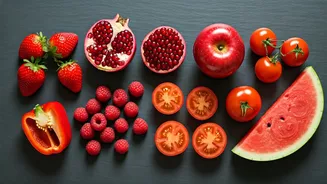
Tomatoes, often mistaken for vegetables, are botanically fruits and a fantastic ally for your brain. They are particularly rich in lycopene, a potent antioxidant that shares a close relationship with beta-carotene. Antioxidants like lycopene act as vigilant guardians, neutralizing harmful free radicals that cause oxidative stress and inflammation. This protective action is vital in preventing neurodegeneration, the gradual loss of brain function associated with conditions like Alzheimer's disease. The neurologist favors larger grape or mandarin-sized tomato medleys due to their versatility. They can be easily incorporated into salads, transformed into quick sauces for lean proteins, or enjoyed as a simple appetizer with mozzarella and basil, making it effortless to reap their brain-protective benefits.
Walnuts & Berries Duo
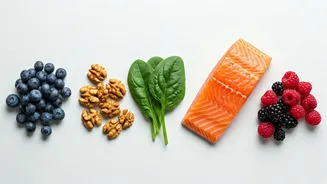
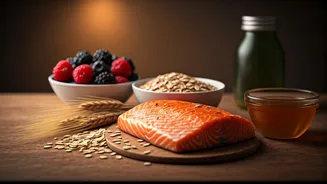
For a smart snacking choice or a delightful breakfast addition, turn to walnuts and berries. Walnuts stand out among nuts for their exceptional omega-3 to omega-6 fatty acid ratio, prioritizing the beneficial omega-3s. Berries, especially blueberries, are packed with flavonoids, powerful antioxidant and anti-inflammatory compounds that help shield the brain from the damaging effects of stress. A fantastic way to combine these brain boosters is in an overnight steel-cut oats breakfast. Topped with fresh berries and walnuts, this meal provides sustained energy and a potent dose of cognitive-enhancing nutrients. A hint of honey or maple syrup can enhance the sweetness, while a pinch of salt can amplify the oat's natural flavor.
Coffee & Tea Benefits
Your daily ritual of coffee or tea offers more than just a morning pick-me-up; it's a significant contributor to brain health. Both beverages are rich in phytonutrients and flavonoids, compounds that can positively influence brain metabolism and improve glycemic control. Coffee beans, essentially dried and roasted berries, and various dried plant leaves used for tea, provide a substantial antioxidant punch. Furthermore, the caffeine content in both coffee and tea is known to enhance concentration and may reduce the risk of developing dementia. However, moderation is key when consuming caffeine to fully harness its cognitive benefits without adverse effects.