






Is Honey a Sugar?
The common perception of honey as a natural, therefore permissible, sweetener often clashes with the realities of a strictly sugar-free diet. Clinical
experts clarify that honey, at its core, is composed of simple sugars: glucose and fructose. This fundamental composition means that for individuals adhering to a stringent no-sugar regimen, honey is generally advised to be avoided. However, the dietary landscape can be nuanced. For those aiming to reduce their intake of *refined* sugars rather than eliminate all sugars entirely, a small, moderate consumption of natural, organic honey might be considered. While honey does possess certain trace minerals, antioxidants, and enzymes that offer a marginal nutritional advantage over highly processed sugars, it's crucial not to view it as a 'freebie' sweetener. Even a tablespoon or two of genuine organic honey should be accounted for as an added sugar within a balanced dietary plan.
Honey vs. Refined Sugar
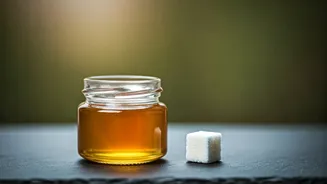
Many perceive honey as a healthier alternative to refined sugar, and there are indeed some grounds for this belief. Unlike highly processed table sugar, honey undergoes less processing and retains a minimal profile of beneficial compounds, including trace amounts of minerals like potassium, calcium, and iron. Nutritionists acknowledge that honey offers slight nutritional benefits over refined sugar. Furthermore, honey typically possesses a somewhat lower glycemic index (GI) compared to standard table sugar. This means that its consumption might lead to a more gradual increase in blood glucose levels. Nevertheless, it is vital to understand that honey is still a simple carbohydrate. Consuming excessive amounts can still contribute to weight gain and metabolic imbalances, underscoring the importance of moderation regardless of its natural origin.
Impact on Blood Sugar
Similar to other sweetening agents, honey is processed by the body into energy relatively quickly due to its inherent sugar content. The presence of glucose and fructose in honey directly influences blood glucose levels. While the rate at which honey elevates blood sugar might be somewhat slower compared to refined sugar or jaggery, the effect is still present. For individuals focused on managing their blood sugar or reducing overall sugar intake, meticulous portion control becomes a paramount consideration. From a metabolic viewpoint, the body treats honey in a manner akin to other sugars, highlighting the critical need to monitor intake quantities to prevent adverse effects on glucose regulation.
Sweetener Alternatives
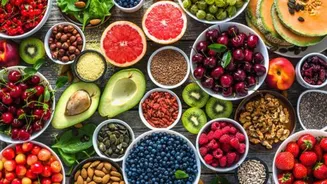
The most effective long-term strategy for reducing sugar consumption doesn't necessarily involve a direct substitution with another sweetener. Instead, the focus should shift towards a gradual recalibration of one's overall preference for intense sweetness. Embracing this approach can lead to more sustainable dietary changes. For those seeking alternative sweetening options, natural low-calorie sweeteners like Stevia or Monk fruit are often suggested. Additionally, incorporating naturally sweet ingredients such as dates, mashed bananas, or applesauce into recipes can provide sweetness without the downsides of added sugars. Furthermore, aromatic spices like cinnamon, cardamom, or vanilla can significantly enhance flavour profiles and impart a sense of sweetness, thereby reducing the reliance on sugar and supporting a healthier, more balanced approach to diet.