






Comfort in a Cup
The digital landscape is buzzing with content from young individuals discussing their 'emotional support' drinks, a phenomenon extending beyond mere caffeine
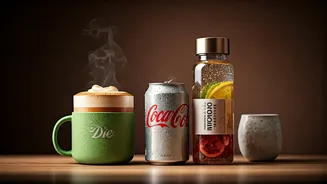
consumption. For many in Gen Z, beverages like iced coffee, boba, or even a simple Diet Coke have evolved into significant personal rituals, acting as a tangible source of comfort and a coping mechanism for the anxieties and stresses inherent in contemporary life. This trend highlights a generation that is notably more open about discussing mental health and actively seeks practical ways to manage feelings of stress and unease. The very act of ordering, preparing, and savoring these drinks can transform into a mindful practice, offering a brief respite and a moment of tranquility amidst the often-hectic pace of daily existence. Experts observe that this widespread reliance on drinks for emotional solace is indicative of broader societal shifts, including a heightened awareness surrounding mental well-being and the profound impact of the digital age on interpersonal connections and individual coping strategies.
Anchors of Stability
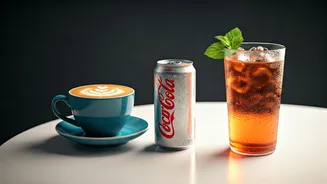
In a world that can often feel unpredictable, 'emotional support' drinks serve as crucial anchors of stability and control for Gen Z. These beverages offer a tangible, readily accessible indulgence that provides a sense of personal agency and pleasure, especially when external circumstances feel overwhelming. The visual appeal of these drinks, often meticulously prepared with a variety of syrups, toppings, and garnishes, further contributes to their popularity, making them highly shareable content online and solidifying their status as a distinct cultural symbol. While some might dismiss this trend as superficial, it fundamentally underscores a deeper, prevalent need for self-care and emotional regulation among young adults. The 'emotional support' drink represents a modern adaptation of comfort-seeking behaviors, finely tuned to the consumerist and digitally connected environment of today. Regardless of whether it's coffee, matcha, boba, or a soft drink, the chosen beverage provides a sense of predictability and calm when emotions feel volatile, offering a reliable element in moments of uncertainty.
Personal Rituals & Soothing
Individual experiences illustrate the deep personal connection Gen Z forms with their chosen comfort drinks. For instance, an advertising executive might consider his morning pour-over coffee a non-negotiable ritual, essential for feeling complete and staying on track. He views these beverages as 'emotional support,' acting as small rewards or indicators of completed tasks throughout his demanding schedule. Similarly, another professional finds her morning filter coffee indispensable, a daily ritual deeply rooted in her upbringing that has evolved into a vital emotional crutch. She relies on it to navigate tense situations, enhance focus, and transition into a productive work mode, highlighting how a familiar taste and routine can foster a sense of calm and preparedness. For some, like a PR professional, the choice might be a specific soft drink, valued not for its caffeine content, but for its unwavering consistency. This reliable taste provides comfort when other aspects of life feel uncertain, serving as a personal constant. These examples reveal that the significance lies not just in the drink itself, but in the personal narrative, routine, and emotional regulation it facilitates.
Sober Curiosity's Rise
Interestingly, the 'emotional support' drink trend aligns with Gen Z's broader embrace of a sober-curious lifestyle, a stark contrast to previous generations. Unlike millennials who normalized social drinking, Gen Z increasingly prioritizes personal well-being and actively dismantles the pervasive notion that alcohol is synonymous with fun. Data supports this shift: a 2024 UK study indicated that individuals aged 20-24 are significantly less likely to allocate spending towards alcoholic beverages compared to older demographics, leading some to label Gen Z as 'the soberest generation.' In the US, statistics from 2023 showed that only 18-20% of Americans under 28 regularly consumed alcohol. This growing preference for non-alcoholic options means that comforting beverages serve as a clean, accessible alternative for managing stress and seeking solace when life becomes challenging. For some, the ritual may also extend to aesthetic enjoyment, where the presentation of the drink, including decorative cups and saucers, adds another layer of pleasure and self-care to the experience.
Psychological Underpinnings
From a psychological standpoint, the concept of an 'emotional support' drink is less about the beverage's intrinsic properties and more about its symbolic representation and the psychological benefits it offers. Clinical psychologists explain that humans are inherently wired to seek comfort, predictability, and established rituals when faced with stress or feelings of being overwhelmed. These drinks act as accessible, familiar, and immediately soothing symbolic coping tools. Several factors contribute to this phenomenon: 'micro-coping' in high-stress environments involves small, repeatable habits like a comforting drink to achieve a quick emotional reset. The ritualistic aspect of having a specific drink at a certain time provides structure and predictability, which can calm the nervous system and reduce anxiety by signaling routine. Sensory engagement through holding a warm cup, sipping a pleasant flavor, or consciously slowing down can have a grounding effect, bringing attention back to the present. Furthermore, these drinks can become integral to one's identity, allowing individuals to acknowledge stress while normalizing self-soothing behaviors in a socially acceptable manner. Social media plays a significant role by amplifying this trend, transforming everyday coping mechanisms into relatable and shareable content, thereby fostering a shared language around stress and comfort.