


Humble Beginnings
In 1967, a young Lava Ramchandra Kannadi, around the age of 20, poured his savings into establishing Hotel Sainath Upahar Gruh. Initially, it was a modest
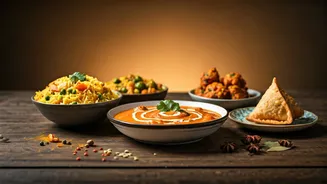
wooden structure, a far cry from modern eateries, but Kannadi's ambition was to create something lasting. He faced significant challenges, including the absence of basic utilities like running water and electricity. To operate his small bakery, which initially sold items like pao butter, he personally fetched water from the river. This dedication and foresight soon began to yield results, and within two years, the establishment expanded its offerings to include traditional Maharashtrian dishes such as misal and poha. Early popular items also included sukhi and oli bhel, alongside freshly prepared laddoo and jalebi served in the evenings, laying the foundation for its future success.
Community Hub
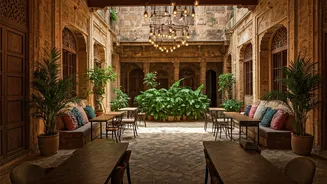
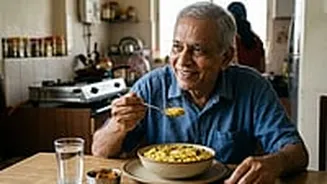
Over the decades, Sainath Upahar Gruh has become a beloved fixture, particularly popular in its immediate vicinity and surrounding areas, drawing a diverse clientele due to the influx of people from various states and the evolving urban landscape. A significant renovation in 2001 transformed the eatery into a more contemporary concrete structure, enhancing its capacity and appeal. Today, the restaurant boasts a substantial and devoted customer base, affectionately referring to Kannadi as 'kaka' or 'dada.' The ambiance inside is one of profound familiarity and warmth, with patrons engaging in lively conversations and a palpable sense of community. It's a place where people recognize each other, fostering an environment akin to a communal living room. The consistent aromas wafting from the kitchen each morning are a comforting reminder of the daily routine of this family-run establishment, a testament to its enduring presence.
Authentic Taste
Customers often describe the food at Sainath Upahar Gruh with a remarkable simplicity, stating, "The speciality of this food is that there is nothing special." This sentiment highlights the authentic, home-style cooking that resonates deeply with patrons, evoking memories of their mothers' preparations. The establishment is more than just a place to eat; for many, it's a 'second home,' a feeling amplified by the genuine affection and hospitality extended by Kannadi and his family. Kannadi himself finds immense joy in interacting with his customers, ensuring each person is served with care and attention. He believes that the personalized service and consistent taste achievable in a smaller, more intimate setting far surpass what larger, commercial establishments can offer. This dedication to customer satisfaction and the preservation of traditional flavors is a cornerstone of the restaurant's identity and its ability to foster such strong emotional connections.
Resilience and Adaptation
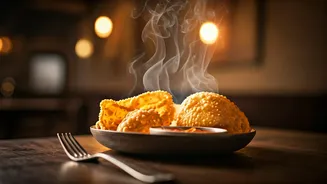
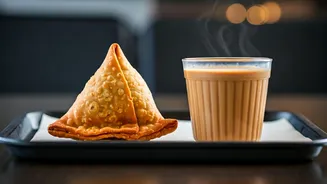
Kannadi acknowledges the significant impact of inflation, noting the dramatic shift in pricing from the initial 10-15 paise per item to current bills ranging from Rs 200-300. The restaurant's resilience was particularly evident during the pandemic, when demand for their signature misal pao and kadak chaha remained strong, with customers queuing while observing social distancing. Even police personnel on duty would stop by for a meal. The establishment has also faced modern challenges like the LPG crisis, necessitating a return to using a coal sigdi and a kerosene stove due to the exorbitant black market price of LPG cylinders (Rs 4-5000). Despite these hurdles, their primary focus remains on ensuring customers are well-fed and satisfied. Dishes like the fluffy and delectable Tari Pohe and the crispy Gol bhajji continue to be prepared with the same care, showcasing their unwavering commitment to quality and customer experience even in the face of adversity.