




Fashion's Silent Statement
Miuccia Prada's observation that fashion functions as an "instant language" is exceptionally pertinent in our current era. The clothes we select each day
serve as a non-verbal form of communication, conveying a swift impression of our personality, beliefs, and current mood to those around us. In a society where human interactions are often fleeting and condensed, this initial visual cue becomes remarkably significant. It's the very first point of contact, an immediate signal that precedes any spoken words and begins to shape how others perceive us. This initial visual introduction is a powerful tool, capable of conveying a great deal about our identity before we even have the chance to introduce ourselves verbally. The way we choose to present ourselves sartorially is, therefore, more than just a matter of aesthetics; it's a deliberate act of communication in a world that moves at an accelerated pace, making first impressions critical.
Challenging Beauty Norms
Miuccia Prada, a visionary in the fashion industry, consistently pushed boundaries by redefining conventional notions of beauty and style. Her career, influenced by a background in political science and a deep engagement with feminist principles, has always been rooted in using fashion as a vehicle for social commentary. Instead of simply adhering to prevailing trends, Prada strategically employed unconventional materials and aesthetics to provoke thought and challenge societal expectations. The introduction of nylon into high-fashion collections and the popularization of the "ugly chic" movement are prime examples of her approach. These choices were not arbitrary; they were calculated statements designed to question what is considered desirable or aesthetically pleasing. Every element, from fabric texture and color palettes to silhouette and construction, was carefully considered to contribute to this ongoing dialogue, inviting wearers to become active participants in a broader cultural conversation.
Heritage in Textiles
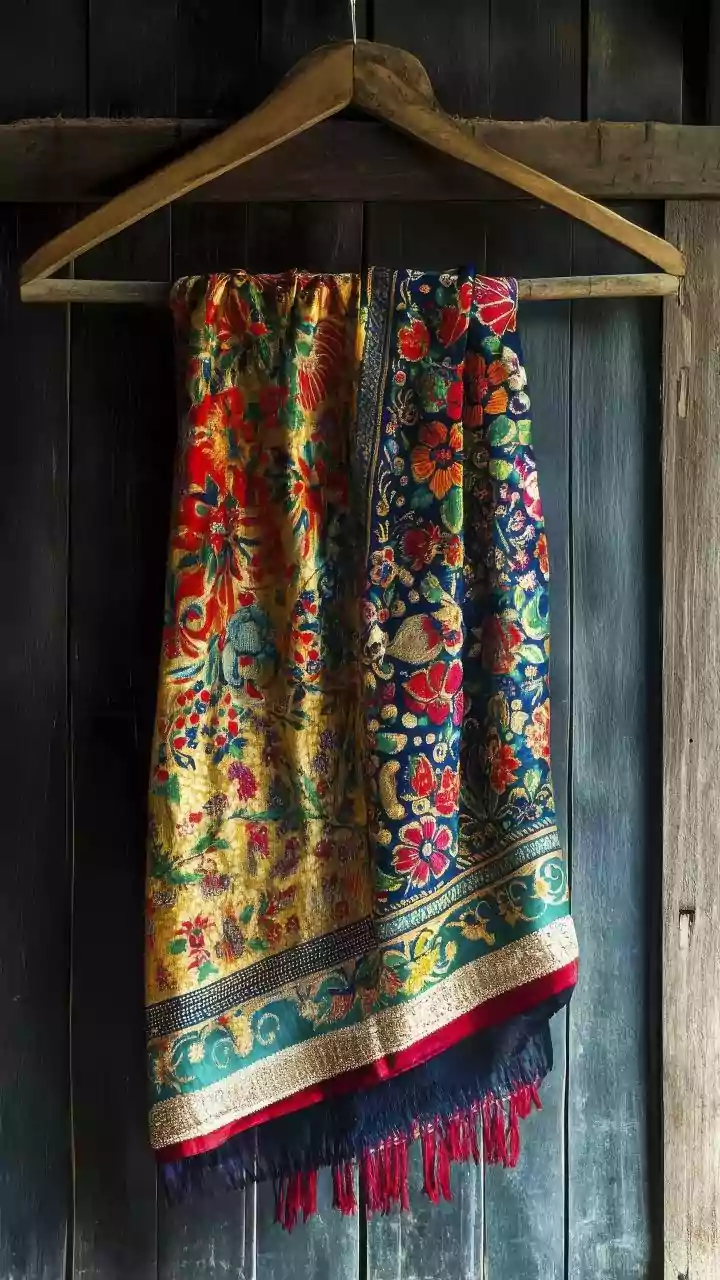
When we consider fashion as a form of language, traditional textiles can be likened to distinct regional dialects, each carrying its own narrative and cultural significance. Opting for garments crafted from materials like finely woven Jamdani or lustrous Muga silk transcends mere personal style; it inherently communicates a deep connection to cultural heritage and artisanal craftsmanship. In an environment increasingly dominated by mass-produced apparel, the conscious choice to wear items that are handmade or feature traditional techniques imbues the wearer with a sense of intentionality and personal narrative. This preference for the handcrafted signals a deliberate engagement with history and skill, offering a more intimate and meaningful way to present oneself compared to generic, factory-made clothing. It’s a quiet but powerful assertion of value placed on enduring artistry and cultural legacy.
Fashion as Societal Mirror
Throughout history, fashion has consistently served as a potent reflection of broader societal transformations and shifts in cultural attitudes. Consider the significant liberation that occurred in the 1920s when women began shedding restrictive corsets; this change was not solely about physical comfort but represented a profound assertion of newfound freedom and autonomy. Fast-forwarding to the 1980s, the emergence of sharp, structured power suits worn by women signaled a declaration of intent to claim professional space in previously male-dominated environments. These sartorial choices act as tangible markers of evolving social norms and evolving roles. Even in contemporary times, the way individuals signal their social standing continues to transform, moving away from overt branding towards a more nuanced appreciation of subtle indicators like impeccable tailoring, high-quality materials, and understated design. These quieter signals still communicate effectively to those attuned to them.
Subtle Status Signals
The methods by which individuals communicate their social or economic status through clothing have undergone a noticeable evolution. In previous eras, conspicuous displays, often through prominent brand logos and ostentatious designs, were common ways to signal affluence. However, the current landscape sees a subtler approach taking precedence. Today, the emphasis has shifted towards refined details and an appreciation for inherent quality. This includes impeccably tailored garments that fit flawlessly, the use of premium fabrics that drape and feel luxurious, and carefully curated pieces that possess an understated elegance. These elements do not shout for attention but rather communicate a sophisticated discernment to those who possess the knowledge to recognize them. This quieter, more nuanced form of signaling emphasizes a refined taste and an understanding of enduring value over fleeting trends, conveying a sense of status through intelligent, less overt choices.
Your Daily Presentation
Ultimately, the act of choosing what to wear each day is far more than a mundane routine; it’s a deliberate, albeit often subconscious, daily decision about self-presentation. It represents an opportunity to consciously decide how you wish to appear to the world and what messages you intend to convey without uttering a single word. This personal styling choice is a form of self-expression that allows individuals to project their identity, aspirations, or even their current mood. In essence, your wardrobe becomes a curated exhibition of yourself, offering a visual narrative that complements or even defines your interactions. Embracing this understanding empowers individuals to harness the communicative power of fashion, using it as an intentional tool to shape perceptions and connect with others on a deeper, more immediate level.