






Master the Pedal
Your clutch and gearbox are vital, often expensive, components whose longevity hinges on your driving style and the vehicle's build quality. In bustling
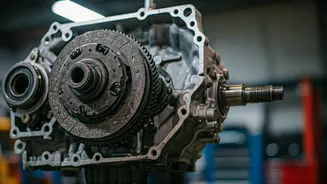
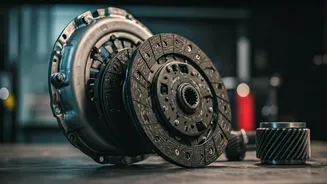
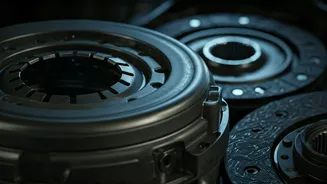
city environments, characterized by frequent stops and starts, these parts endure constant strain. Careless habits, such as overusing the clutch, selecting incorrect gears, or engaging them too aggressively, can dramatically shorten their lifespan and lead to premature failures. Given the substantial cost of repairs or replacements, preventative measures are paramount. Thankfully, you can significantly mitigate this wear by refining your driving techniques. A solid understanding of how your clutch and transmission operate, coupled with gentler inputs, will reduce stress, boost your car's performance, and even improve fuel efficiency. Let's delve into straightforward practices that can preserve your components, elevate performance, and ultimately decrease your long-term vehicle ownership expenses. One crucial habit to cultivate is completely releasing the clutch pedal after each gear change. Lingering with the pedal partially depressed, a practice known as 'riding the clutch,' creates continuous friction and prevents full, solid engagement. This sustained friction generates excessive heat and accelerates the wear on the clutch plates. The clutch pedal should only be pressed down when a gear change is necessary and fully released the instant the shift is complete, allowing the drivetrain to connect without slippage.
Strategic Gear Usage
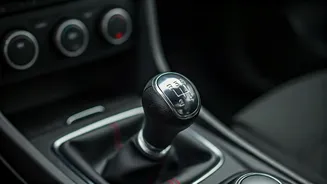
Employing the clutch judiciously is key to preserving its life. Avoid unnecessary engagement, particularly when slowing down or coasting downhill. Your vehicle is engineered to decelerate effectively while remaining in gear, a process that utilizes engine braking. This method not only reduces the burden on your clutch but also conserves your brakes. Forceful or jerky gear changes can inflict damage upon the intricate mechanisms within your gearbox. It's vital to shift gears at appropriate engine revolutions per minute (RPM) and to select the correct gear for your current speed and driving conditions. This synchronization minimizes stress on the entire drivetrain. Furthermore, never use the clutch to hold your vehicle stationary on an incline. This action places continuous, high pressure on the clutch plates, leading to rapid overheating and wear. Instead, utilize your vehicle's brakes to maintain a standstill on slopes, engaging the clutch smoothly only when you are ready to accelerate away. Another often-overlooked habit is refraining from resting your hand on the gear lever while driving. Even a slight, persistent pressure can transmit force to the internal components of the gearbox, contributing to wear over time. The gear lever's sole purpose is for shifting gears; it should remain untouched between changes.
Anticipate Traffic Flow
Observing and adapting to traffic conditions is more than just safe driving; it's essential for clutch health. Constant engagement in stop-and-go traffic significantly accelerates wear on your clutch system. By maintaining a safe following distance and anticipating the movement of vehicles ahead, you can proactively adjust your speed, thereby reducing the frequency of unnecessary gear shifts and clutch actuations. This foresight allows for smoother acceleration and deceleration, minimizing the stress on your clutch. Additionally, regular maintenance plays a critical role in ensuring the longevity and optimal performance of your gearbox. The lubricant within the gearbox, typically oil, is crucial for minimizing friction between moving parts and ensuring smooth operation. Adhering to your vehicle's recommended service schedule and conducting periodic inspections of the clutch system can preemptively identify and address potential issues before they escalate into major, costly problems. Paying attention to any audible or sensory cues from your vehicle is also vital. If you notice any difficulty in shifting gears, unusual grinding or whining sounds, the clutch slipping (where engine RPM increases without a corresponding increase in vehicle speed), or any burning odors, it’s imperative to have the clutch and gearbox inspected immediately. Prompt attention to these warning signs can avert more severe damage and prevent expensive repairs down the line. Ultimately, the lifespan of your clutch and gearbox is a direct reflection of your driving habits and maintenance routine. By adopting a smoother driving style, minimizing unnecessary clutch use, and ensuring timely servicing, you can significantly reduce wear, enhance your vehicle's performance, and lower overall ownership costs.