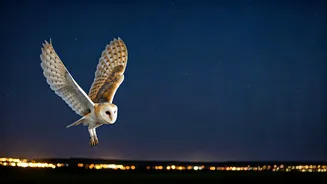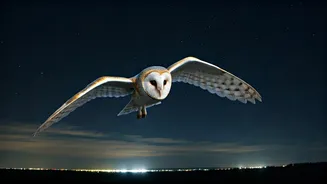







Nighttime Territory Defense
While the daytime is typically reserved for birds to assert their dominance, some species find the cloak of night offers strategic advantages for territorial
broadcasts. In the cacophony of urban life, the constant background noise can drown out a bird's calls during daylight hours, making it difficult to effectively warn off rivals or claim their space. The quieter, post-dusk environment provides a clearer acoustic channel for these messages. Furthermore, artificial illumination in cities can disorient natural circadian rhythms, leading some birds to adjust their vocalization schedules. This nocturnal defense is particularly pronounced in species that have adapted to thrive alongside human populations, indicating a flexible response to their surroundings.
The Allure of Nocturnal Courtship
For many avian species, the nighttime presents a unique opportunity for courtship rituals. Male birds may choose to sing after dark to attract potential mates, a tactic that can help them stand out from the competition during the breeding season. This strategy is not just about being heard; the darkness can also offer a perceived sanctuary, reducing the risk of predation while they are actively engaged in singing. This behavior is a testament to the diverse and often elaborate methods birds employ to ensure the continuation of their species, utilizing the cover of darkness to signal their health and readiness to reproduce.
Species-Specific Night Singers
Certain bird species have a well-established propensity for singing after sunset, with the common nightingale being a prime example. These birds are renowned for their intricate and melodious songs, often performed under the veil of night. While the exact evolutionary reasons are still under investigation, researchers believe this nocturnal singing behavior is intricately linked to both maintaining their territories and attracting mates. Their elaborate vocalizations in the darkness highlight a specialized adaptation, showcasing the remarkable diversity in avian communication strategies that extend beyond the more commonly observed dawn chorus.
Environmental Triggers for Song
Beyond innate behaviors, external environmental factors can also prompt birds to break the nighttime silence with their calls. Fluctuations in temperature, changes in humidity levels, and the pervasive presence of artificial light can all serve as catalysts for vocalization in some species. For instance, a sudden dip in temperature might encourage a bird to sing, perhaps as a way to conserve energy by signaling its location to others, or to simply communicate its presence during a time when activity is typically minimized. These environmental cues underscore the sensitive nature of birds to their surroundings and their capacity to adapt their communication patterns.