







A Tourism Surge
Thailand's tourism sector is experiencing a notable uplift, with an influx of visitors from key international markets including the United Kingdom, China,
Malaysia, Russia, India, and South Korea. This resurgence is particularly driven by the return of long-haul travelers, especially from Europe, indicating a growing confidence in Thailand's stability and accessibility as a travel destination. Even with altered flight paths to circumvent Middle Eastern airspace, prominent airlines like Thai Airways and Emirates are maintaining their flight schedules, thereby bolstering travel demand. Thailand is strategically positioning itself as a secure midpoint, geographically removed from conflict zones but sufficiently connected to remain a desirable stop on global travel routes. This unique situation is allowing the country to leverage its appeal as a serene escape while ensuring connectivity for international visitors.
Unprecedented Hotel Savings
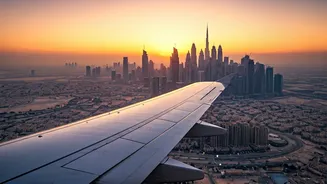
Luxury accommodations across Thailand are currently offering substantial price reductions, with some high-end hotels slashing their rates by up to 70%. Establishments that previously charged upwards of $1,000 per night are now accessible for less than $300. For instance, premier properties such as the Mandarin Oriental Bangkok are presenting discounted packages that include added benefits, like dedicated butler services. Beachfront resorts, from the picturesque Railay Beach to vibrant Phuket, are seeing their rates reduced by approximately half of their standard prices. This trend mirrors similar offers seen in Dubai, which has also provided enhanced hotel deals and access to entertainment venues for both local residents and tourists in the wake of regional instability. For travelers from India, this translates into an exceptional opportunity to experience world-class luxury at considerably more affordable, mid-range prices.
Navigating Travel Disruptions
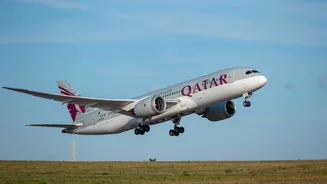
Despite the attractive discounts, the effects of ongoing geopolitical tensions are undeniable. Reports indicate that approximately 10% of hotel reservations in Phuket have been canceled, primarily due to disruptions affecting seven to eight airlines. European travelers, many of whom rely on transit through Middle Eastern hubs, are particularly impacted by these changes. As of March 24th, a significant number of flights—244 in total—were canceled, and an additional 2,396 experienced delays. These disruptions have affected a broad spectrum of countries, including Japan, India, Thailand, Qatar, and the UAE, and have impacted numerous airlines such as Air China, Air India, Batik Air, and Emirates. Tourism represents a substantial portion of Thailand's economy, contributing nearly 20%, and the nation has ambitious targets for visitor numbers in the future. However, current arrivals from Europe and the Middle East are already falling below normal levels, underscoring the critical nature of the coming months for the industry.
The Traveler's Dilemma
For those who are spontaneous travelers or actively seeking travel bargains, the current situation in Thailand presents a unique chance to indulge in five-star experiences at a significantly reduced cost. This period might be an opportune moment to explore the country's luxurious offerings without the usual financial burden. However, for travelers who prefer meticulous planning and are more risk-averse, the inherent unpredictability stemming from global geopolitical events could outweigh the appeal of discounted prices. The decision to travel hinges on an individual's comfort level with potential uncertainties versus their desire for cost savings and unique travel opportunities. The ongoing conflict's duration will ultimately determine the extent of its impact, not only on Thailand's tourism sector but also on broader international travel patterns.