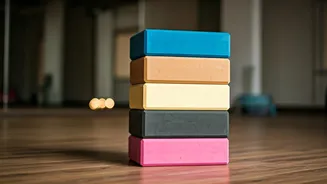

Yoga Block Basics
Yoga blocks, often overlooked, are versatile tools designed to support and modify yoga poses. They are typically rectangular and made from materials like
foam, cork, or wood. These blocks help practitioners of all levels achieve proper alignment, increase flexibility, and deepen poses safely. By providing a stable base, blocks can assist beginners in reaching challenging postures, reducing strain and preventing injuries. For experienced yogis, blocks offer the opportunity to explore deeper stretches and refine their technique. The key benefits include enhanced alignment, greater accessibility for poses, increased flexibility, and improved safety. They can be placed under hands, feet, or the seat to modify poses like Triangle Pose (Trikonasana), facilitating better form and stability. With blocks, yoga becomes more accessible to everyone, promoting a more mindful and effective practice.
Block Material Matters
The material of a yoga block significantly impacts its performance and suitability for different needs. Foam blocks are lightweight, affordable, and ideal for beginners, offering cushioning and support. Cork blocks are denser and more stable, providing a firmer base, preferred by intermediate to advanced practitioners. Wooden blocks are the most durable option and offer a solid, stable surface, suitable for advanced users who require maximum support. Foam blocks are typically made of EVA foam or similar materials and offer a good balance of support and cushioning. Cork blocks, made from sustainable materials, offer a natural feel and superior grip. Wooden blocks, usually made of hardwood, provide the highest level of stability. When choosing a block, consider your level of experience, the types of poses you practice, and your personal preferences for feel and grip. Each material offers unique advantages that can enhance your yoga practice, so selecting the right block can contribute to improved alignment and overall enjoyment.
Top Rated Foam Blocks
Among the popular choices, foam yoga blocks are frequently recommended for beginners. Many brands offer a variety of foam blocks under ₹1000, typically made of high-density EVA foam. These blocks are lightweight and provide a good balance of support and cushioning, making them easy to handle and ideal for beginners. Features to look for include beveled edges for comfort and non-slip surfaces for stability. Some top-rated foam blocks often come in sets of two, allowing for more versatile use in various poses. These blocks are excellent for supporting poses like Triangle Pose (Trikonasana) or Extended Side Angle Pose (Utthita Parsvakonasana), helping beginners achieve correct alignment and avoid overstretching. The affordability of foam blocks makes them an accessible option for those new to yoga, providing essential support without a significant investment. Always check customer reviews and consider the block's size and density to ensure it meets your specific needs. Look for blocks with a textured surface to enhance grip and prevent slipping during practice.
Cork Block Benefits
Cork yoga blocks are a premium choice for many yoga practitioners, known for their exceptional grip, durability, and eco-friendly nature. Made from sustainable cork, these blocks offer a firmer base than foam blocks, providing greater stability and support during poses. Cork blocks are particularly beneficial for those seeking a more grounded and secure feeling, especially in challenging poses. The natural grip of cork prevents slipping, enhancing safety and allowing for a deeper focus on alignment. Unlike foam blocks, cork blocks are less likely to compress over time, ensuring long-lasting performance. They are suitable for all levels, but particularly advantageous for intermediate and advanced practitioners. Cork blocks can be used to support and modify poses like Warrior II (Virabhadrasana II) and Half Moon Pose (Ardha Chandrasana), helping to improve balance and body awareness. Their natural material and superior grip make them a preferred choice for those seeking a more eco-conscious and high-performing yoga tool.
Wooden Block Advantages
Wooden yoga blocks offer the highest level of stability and support, making them an excellent choice for experienced practitioners or those seeking a firm and durable tool. These blocks, typically made of hardwood, provide a solid base that minimizes movement and enhances focus on alignment. Wooden blocks are robust and long-lasting, capable of withstanding significant weight and pressure, making them ideal for dynamic yoga styles. They offer a unique tactile experience, connecting the practitioner more directly with the pose. While they might be less forgiving than foam or cork blocks, the stability they provide allows for a deeper exploration of poses and improved body awareness. Wooden blocks are often used in advanced practices to refine alignment and increase strength. They are particularly useful for poses that require a strong, stable base, such as balancing postures or inversions. The weight and firmness of wooden blocks may not be ideal for beginners, but their durability and support make them a valuable asset for serious yoga enthusiasts. Always consider the material's feel and weight when selecting.
Choosing the Right Size
Yoga blocks come in various sizes, with the most common dimensions being 9 x 6 x 4 inches. This standard size is versatile and suitable for a wide range of poses and body types. Smaller blocks are available for those with shorter limbs or when less lift is needed, while larger blocks provide extra support and stability. The choice of size should be based on your individual needs and the poses you intend to practice. If you are a beginner, starting with a standard-sized block is advisable to accommodate a range of poses. Taller individuals might find larger blocks more comfortable. Consider the type of yoga you practice, as some styles may require a specific size. Always test different sizes to see which one feels most supportive and comfortable for you. Experimenting with different block sizes can reveal which dimensions help you achieve proper alignment and stability. A well-sized block can significantly improve your experience in various yoga postures, contributing to better performance and reduced risk of injury.
Using Blocks for Alignment
Yoga blocks are invaluable tools for improving alignment in various yoga poses. They can be strategically placed under hands, feet, or the seat to modify postures, making them accessible and safe for everyone. In Triangle Pose (Trikonasana), placing a block under the hand can help maintain a straight spine and prevent overstretching. In Extended Side Angle Pose (Utthita Parsvakonasana), a block can support the hand, allowing the body to open up more comfortably. Blocks can also be used to elevate the hips in seated poses, facilitating better posture and relieving strain on the lower back. For inversions, blocks under the head can provide neck support. For beginners, using blocks to modify poses ensures that they maintain proper alignment, which reduces the risk of injury. For experienced practitioners, blocks can help refine their alignment, allowing for deeper exploration of poses. By consciously using blocks to achieve correct alignment, yogis can experience deeper stretches, improve balance, and develop greater body awareness. Always remember to listen to your body and adjust the position of the block as needed to ensure comfort and safety.
Maintenance and Care
Proper care and maintenance will prolong the lifespan of your yoga blocks. Clean foam and cork blocks regularly with a damp cloth and mild soap. Avoid harsh chemicals or abrasive cleaners, which can damage the material. For wooden blocks, simply wipe them down with a dry cloth. Store your blocks in a cool, dry place away from direct sunlight and extreme temperatures to prevent warping or deterioration. Inspect the blocks regularly for any signs of wear and tear, such as cracks or compression. If the blocks are excessively worn, consider replacing them for safety. Keeping your yoga blocks clean ensures they stay hygienic and slip-resistant, contributing to a better yoga experience. With proper care, your yoga blocks will remain a valuable part of your practice for years to come. Regular maintenance, such as wiping them down after use and storing them correctly, is a small effort that yields significant benefits, preserving the integrity of your yoga equipment and ensuring its continued performance.