
Embracing Winter's Elements
Winter boots are not merely a fashion statement; they are a shield against the elements. Their primary function is to protect feet from the cold, wet conditions
that define winter. Understanding the specific challenges your feet face in winter is the first step in selecting the right boots. Cold temperatures can lead to discomfort, numbness, and even frostbite, while exposure to moisture can cause discomfort. Therefore, the construction of these boots, encompassing materials and design, directly impacts the wearer's comfort and well-being. A well-designed winter boot ensures your feet remain warm, dry, and comfortable, allowing you to fully enjoy the season's activities.
Essential Materials Matter
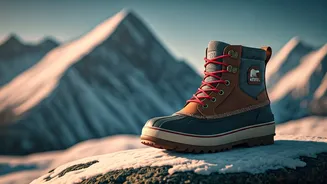
The materials used in winter boots play a vital role in their performance. Waterproofing is a non-negotiable feature. Boots made with waterproof membranes such as Gore-Tex effectively block moisture from entering while still allowing breathability. Insulation is another critical component, with materials like Thinsulate and PrimaLoft trapping heat to keep your feet warm. The outer layers, often made from leather or synthetic materials, protect against abrasions and other damage. Leather offers durability and a classic look, while synthetic materials provide greater water resistance and may be more affordable. The sole material significantly impacts traction, with rubber soles providing superior grip on snow and ice. Choosing boots with the right combination of materials is key to ensuring both comfort and protection.
Boot Styles: A Detailed Look
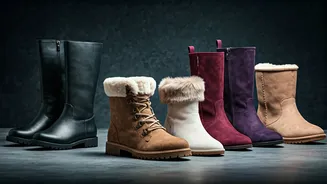
Various winter boot styles cater to different needs and preferences. Ankle boots provide moderate protection and are suitable for everyday wear and milder conditions. They offer a balance of warmth, style, and mobility, making them a versatile choice for urban settings. Mid-calf boots extend the protection further, covering the lower leg and offering additional insulation. These boots are excellent for more snow or cold weather. Tall boots are designed for harsh winter environments and deep snow. They provide maximum protection from the elements, covering the entire lower leg and often featuring insulated linings. Each style offers unique advantages, and the right choice depends on the specific demands of your winter activities.
Features: What To Seek
Several key features can greatly enhance a winter boot's performance. Consider the type of closure system; laces provide a customizable fit, while zippers offer convenience. Look for boots with a high degree of water resistance, ideally using a waterproof membrane. Insulation ratings are essential, as higher ratings indicate greater warmth. Pay attention to the tread pattern of the sole; deeper, more aggressive patterns offer superior traction on snow and ice. Consider the fit: boots should be snug enough to prevent your foot from sliding, but allow room for thick socks. Features like a cushioned footbed can improve comfort. Prioritize boots that offer a combination of features that address the environmental conditions you expect to encounter most often.
Maintenance: Extending Lifespan
Proper care and maintenance significantly extend the lifespan of winter boots. Regularly clean your boots to remove dirt and debris, which can damage the materials. Use specialized cleaners designed for the boot's material, such as leather or synthetic fabrics. Waterproofing treatments should be applied regularly to maintain the boots' water resistance. Let boots dry naturally at room temperature, away from direct heat sources, which can damage the materials. Store boots properly during the off-season in a cool, dry place, ensuring they are clean and in good condition. Taking these steps will help to ensure your winter boots stay in excellent condition, ready for the next winter season, providing reliable performance year after year.