






Microbiomes: The Basics
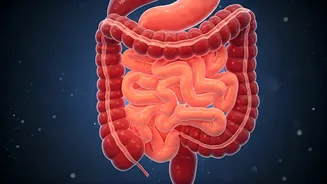
Our bodies are home to trillions of microorganisms, creating a complex ecosystem known as the microbiome. This ecosystem, encompassing bacteria, viruses,
fungi, and other microbes, lives in various body parts, including the gut and mouth. These microorganisms aren't just freeloaders; they actively participate in essential functions such as digestion and immune system regulation. The gut microbiome is often the primary focus due to its vast microbial diversity and influence on overall health. The oral microbiome, equally significant, helps with initial defenses and digestion. Both environments depend on a harmonious balance, where beneficial bacteria thrive and harmful ones are kept in check. Disruptions to this balance, which can stem from diet, stress, or antibiotics, can have profound effects on our health, including weakening the immune system and increasing vulnerability to illness. Maintaining a balanced microbiome is essential for optimal health, emphasizing the need for a lifestyle that fosters a favorable environment for these helpful microbes.
Gut-Immune Connection Explained
The gut plays a pivotal role in immune function, primarily because about 70–80% of our immune cells are situated there. The gut lining acts as a barrier, preventing harmful substances from entering the bloodstream. The gut microbiome significantly affects this barrier's integrity, with diverse and beneficial microbes fortifying its protective qualities. These microbes engage with the immune cells, training them to identify and neutralize threats effectively. A balanced gut microbiome enhances this process, strengthening the body's defenses against infections. Conversely, an imbalance can weaken the immune response. Dysbiosis, or microbial imbalance, can damage the gut lining, making it more permeable (leaky gut). This permits toxins and pathogens to enter the bloodstream, triggering systemic inflammation and compromising the immune system. This makes an individual more susceptible to infections, including colds. Maintaining a healthy gut microbiome through diet and lifestyle choices is thus critical to supporting a strong immune system and reducing vulnerability to illness.
Oral Health & Immunity
The oral microbiome, a complex community of microorganisms in your mouth, is more than just about a fresh breath; it also heavily influences your immune system. The mouth serves as the initial point of contact for many pathogens, including those that cause colds. A healthy oral microbiome can act as the first line of defense, preventing the growth of harmful bacteria and viruses. Saliva contains antibodies and enzymes that neutralize pathogens. Poor oral hygiene, like inadequate brushing and flossing, can disrupt this balance. Accumulation of plaque and inflammation in the gums provide an ideal breeding ground for harmful bacteria. These bacteria can then enter the bloodstream, triggering systemic inflammation and potentially weakening the immune response. Furthermore, chronic oral infections, such as gum disease, create a chronic inflammatory state that can make an individual more susceptible to infections. Regular dental check-ups and good oral hygiene are essential not only for dental health but also for maintaining a strong immune defense against colds and other illnesses.
Dietary Influence on Immunity
Your diet significantly shapes both the gut and oral microbiomes, thus directly impacting your immune system. Consuming a diet rich in processed foods, sugars, and unhealthy fats can disrupt the delicate balance within these microbial communities, encouraging the growth of harmful bacteria at the expense of beneficial ones. This dietary pattern often contributes to inflammation and weakens the immune defenses, making you more vulnerable to colds. Conversely, a diet abundant in whole, unprocessed foods supports a healthy microbiome. Fiber-rich foods, like fruits, vegetables, and whole grains, serve as prebiotics, nourishing the beneficial bacteria in your gut. These bacteria then produce short-chain fatty acids (SCFAs), which have anti-inflammatory effects and promote gut health. Probiotic-rich foods, such as yogurt, kefir, and fermented vegetables, introduce beneficial bacteria directly into your system, further supporting microbial balance. Incorporating a balanced diet, rich in diverse, whole foods, is a powerful strategy to support a strong immune system and reduce your risk of catching colds.
Lifestyle & Cold Resistance
Beyond diet, several lifestyle factors profoundly affect the health of your gut and oral microbiomes, which in turn influences your resistance to colds. Adequate sleep is critical; during sleep, your body repairs and regenerates, including strengthening immune function. Chronic sleep deprivation weakens the immune system, making you more susceptible to infections. Managing stress is also crucial. Chronic stress can negatively affect the gut microbiome and suppress immune responses. Practices like meditation, yoga, or spending time in nature can help mitigate stress and protect your immune health. Regular physical activity supports a healthy immune system by increasing the circulation of immune cells and reducing inflammation. Excessive alcohol consumption and smoking can harm the gut and oral microbiomes, increasing your vulnerability to colds. Conversely, engaging in regular exercise, managing stress, prioritizing sleep, and avoiding harmful substances are integral for a robust immune system.
Boosting Your Defenses
To bolster your resistance to colds, focus on actively supporting your gut and oral health. Prioritizing a diverse diet rich in fruits, vegetables, whole grains, and lean proteins provides essential nutrients and supports a balanced microbiome. Incorporate probiotic-rich foods or consider a probiotic supplement to enhance gut health. Maintain excellent oral hygiene: brush your teeth at least twice daily, floss daily, and schedule regular dental check-ups. Manage stress through relaxation techniques and ensure adequate sleep. Stay hydrated by drinking plenty of water, as it supports immune function and oral health. Limit your intake of processed foods, sugars, and excessive alcohol. Regularly exercise to promote overall health and immune function. Consider consulting a healthcare professional for personalized advice, especially if you experience frequent colds or other health concerns. Implementing these strategies proactively strengthens your immune defenses and enhances your overall well-being.