




The Game-Changing Missing Link
The Mumbai-Pune Expressway, a vital connector for Maharashtra's economic hubs, is undergoing a significant transformation with the imminent completion
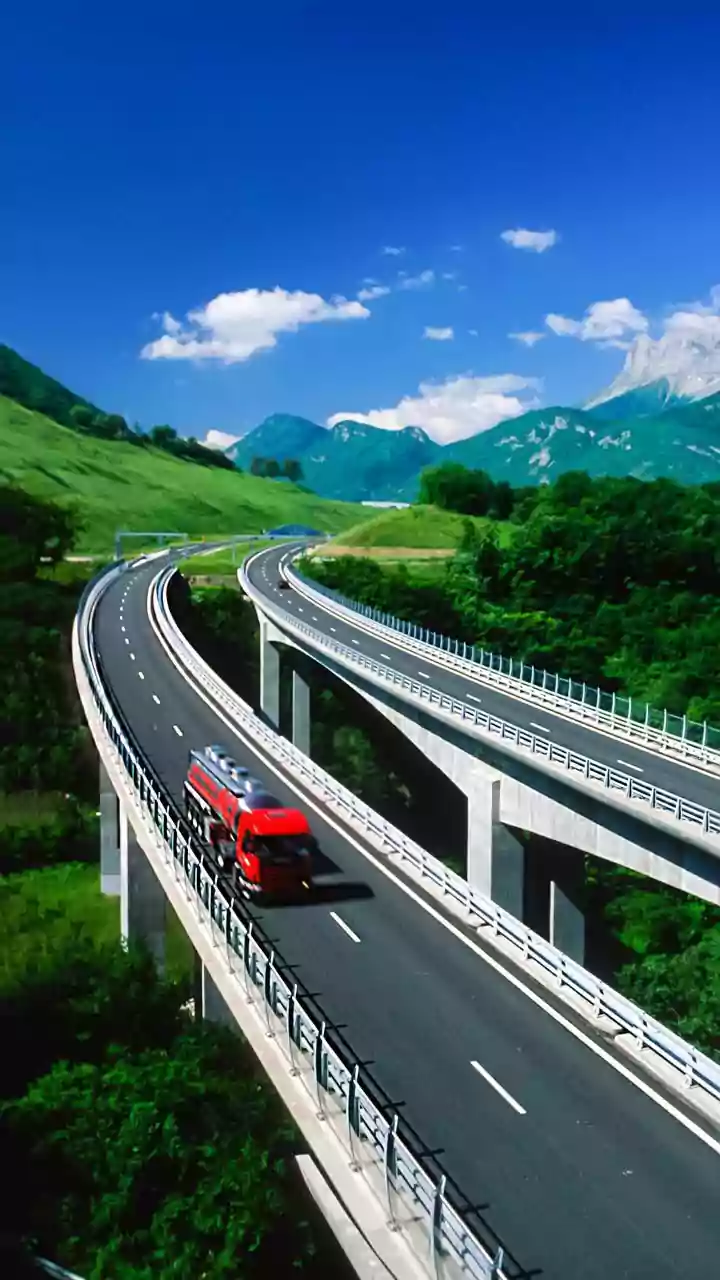
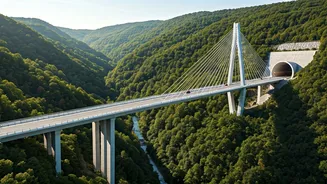
of its 'Missing Link'. This crucial 13.3-kilometer stretch is engineered to drastically shorten journeys between the two cities. A major highlight is India's longest twin-tube road tunnel, a Rs 8,000 crore engineering feat designed to bypass the often-congested and accident-prone ghat section, especially during adverse weather like the monsoon season. This development aims to create a more fluid and efficient travel corridor, significantly impacting daily commutes and freight movement.
Enhanced Safety Measures
With the introduction of advanced infrastructure like the new tunnels, a review of existing speed limits is underway. Currently set at 100 kmph for light vehicles and 80 kmph for heavy vehicles on the existing expressway, these might be adjusted. The Maharashtra Highway Police are prioritizing safety by integrating sophisticated surveillance technology, including numerous speed cameras and a comprehensive emergency response network. This proactive approach ensures that the improved infrastructure is matched with robust safety protocols, making the expressway safer for all users.
Innovative Tunnel Technology
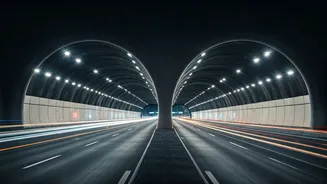
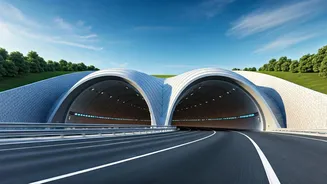
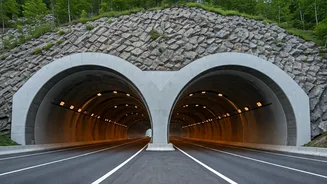
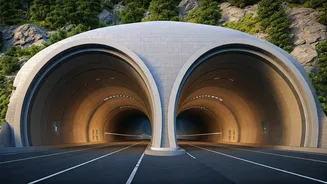
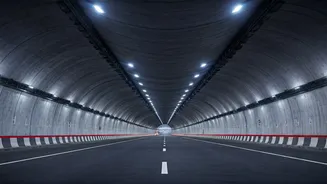
Central to the Missing Link is a remarkable 1.7-kilometer twin-tube tunnel. This engineering marvel is constructed to accommodate high-speed traffic flow seamlessly. It is outfitted with the latest safety mechanisms, including advanced fire detection and suppression systems, efficient ventilation to maintain air quality, and strategically placed emergency exits for swift evacuation if necessary. The overall objective of this tunnel and associated infrastructure is to deliver an unparalleled, secure, and streamlined travel experience for everyone using the expressway.
Reduced Travel Time Impact
Upon its full operationalization, the Missing Link is anticipated to shave off a minimum of 30 minutes from the typical Mumbai-Pune travel duration. This considerable time saving is set to offer substantial relief to daily commuters, business travelers, and the logistics industry, ultimately stimulating economic growth and enhancing connectivity between these key metropolitan areas. The reduction in travel time is a direct benefit of bypassing challenging geographical sections.
Emergency Response Network
An intricate system for emergency response and enforcement has been meticulously established for the Missing Link. This includes twin control rooms operating 24/7, staffed by multi-agency teams from Highway Police, MSRDC, and RTO. These control rooms monitor traffic via numerous Pan-Tilt-Zoom CCTV cameras, enabling immediate dispatch of patrolling vehicles, ambulances, and fire tenders to incidents. Furthermore, SOS panic buttons are installed every 250 meters along the entire stretch, providing another layer of immediate assistance. Speed guns will also be deployed for enforcement.
Operational Phases and Regulations
For the initial phase, from May 1 to October 31, access to the Missing Link is restricted to Light Motor Vehicles, passenger buses, and other passenger vehicles, with a speed limit of 100 kmph for cars and 80 kmph for buses. Following a six-month review, the second phase, starting November 1, may permit goods vehicles, subject to assessment. However, vehicles carrying hazardous or inflammable materials will continue to use the older expressway route. This phased approach aims to manage traffic effectively and ensure smooth integration of the new infrastructure.
Future Prospects & Challenges
While the Missing Link project has faced past delays due to land acquisition and environmental clearances, its nearing completion marks a significant achievement in infrastructure development. The focus now shifts to ensuring seamless operation and ongoing maintenance. The success of this project is poised to serve as a model for future large-scale infrastructure initiatives across India. However, managing public curiosity, especially in the initial period, and ensuring continued strict adherence to safety protocols during monsoons remain key challenges.