




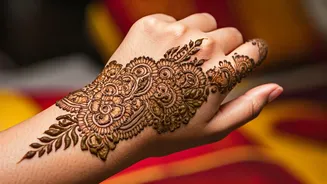
Arabic Mehndi Elegance
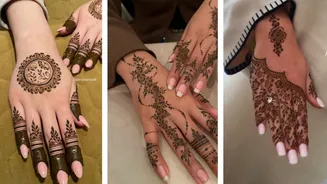
Arabic mehndi designs are celebrated globally for their distinctive aesthetic, characterized by bold floral motifs, strategic use of negative space, and
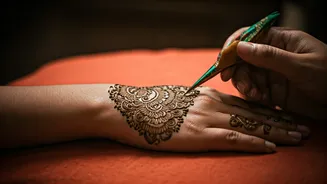
elegant, flowing vine patterns. These designs offer a lighter, more minimalist look, making them ideal for those seeking a contemporary feel. The application often involves creating striking diagonal flowers connected by delicate trails and vines, which complement traditional attire beautifully. Their visual lightness and quicker application process make them a popular choice for a sophisticated yet understated adornment, perfectly suited for festive occasions where intricate detail might overwhelm. The flowing lines create a sense of movement and grace, adding a touch of modern artistry to the timeless tradition of henna application.
Indian Mehndi Artistry
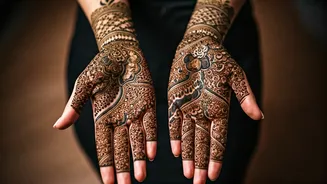
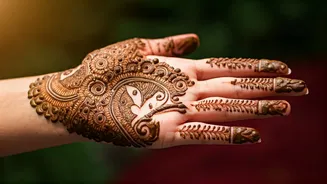
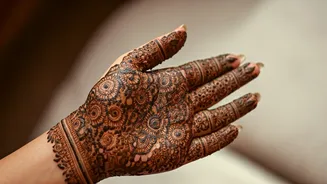
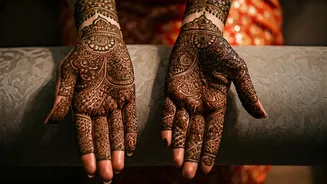
In contrast to the lighter Arabic style, Indian mehndi is renowned for its profound detail and dense application, deeply embedded in cultural heritage. These designs typically cover the entire hand and feature a variety of traditional elements, including intricate jaali work (lattice patterns), paisleys, majestic peacocks, and detailed mandalas. This maximalist approach appeals to individuals who desire a rich, elaborate look. It's particularly favored by brides for its comprehensive coverage and traditional aesthetic, creating stunning visual impact in photographs and enhancing the overall bridal ensemble. The complexity and meticulousness of Indian mehndi signify blessings and celebratory joy, making it a significant part of traditional Indian festivities.
Eid's Moon Motif
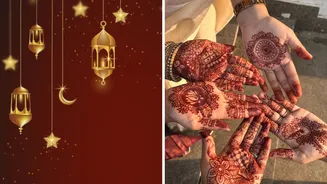
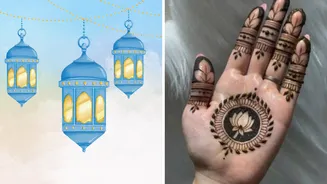
The crescent moon, a powerful and universally recognized symbol of Eid, offers a unique and meaningful design option for mehndi. This motif can be creatively interpreted in various ways, such as forming a floral chandelier, incorporating celestial details like stars, or adding hanging chain elements. For those preferring a minimalist yet impactful design, a single half-moon motif placed centrally on the palm or the back of the hand can be incredibly striking. This simple yet elegant approach, inspired by celebrity looks, captures the essence of the festival beautifully. It provides a subtle yet significant nod to the spirit of Eid, offering a touch of celestial beauty to the wearer's adornment without being overly elaborate.
Indo-Arabic Fusion Trends
The Indo-Arabic fusion mehndi style represents a highly popular trend, ingeniously blending the bold strokes of Arabic designs with the intricate detailing characteristic of Indian henna art. This approach allows for a harmonious combination, offering the best of both worlds. For instance, a central mandala can be framed by flowing Arabic vines and petals, resulting in a design with a clean structure, rich internal fillers, and a balanced, visually pleasing outcome. This balanced aesthetic provides a sophisticated and complete look that is both contemporary and traditional. It's an ideal choice for those who appreciate the density of Indian mehndi but desire the graceful flow of Arabic patterns, creating a unique and personalized artistic expression.
Timeless Floral Patterns
Floral patterns in mehndi are undeniably timeless and universally adored for their beauty and symbolism. They can be incorporated in various arrangements, from clusters of roses and intricate leafy vines to full bouquet designs, all filled with delicate leaves and petals. For a simpler yet elegant option, a single lotus flower placed at the center of the palm offers a chic and sophisticated look. Flowers symbolize growth, joy, and new beginnings, making them an especially fitting choice for Eid, a festival celebrating renewal and happiness. These natural motifs bring a sense of vibrancy and life to the mehndi, enhancing the festive spirit with their inherent beauty and auspicious connotations.
Cultural Significance of Mehndi
Mehndi, or henna, holds profound cultural significance, especially during Eid al-Fitr. Traditionally applied on 'Chaand Raat' (the night before Eid), it symbolizes blessings, celebration, and the appreciation of feminine beauty. In many South Asian traditions, the depth of the henna stain is associated with the intensity of happiness, love, and emotions. Beyond its ritualistic importance, mehndi has evolved into a significant fashion statement in 2026. It serves to amplify personal style, complementing Eid attire and adding a distinct festive flair. The act of applying mehndi is more than just adornment; it's a cherished ritual that connects individuals to cultural heritage and expresses joyous anticipation for the celebration.