



Grains and Traditions
Makar Sankranti celebrations often involve a shift in dietary habits, setting the stage for the auspicious day. One significant aspect of these practices
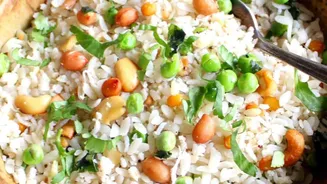
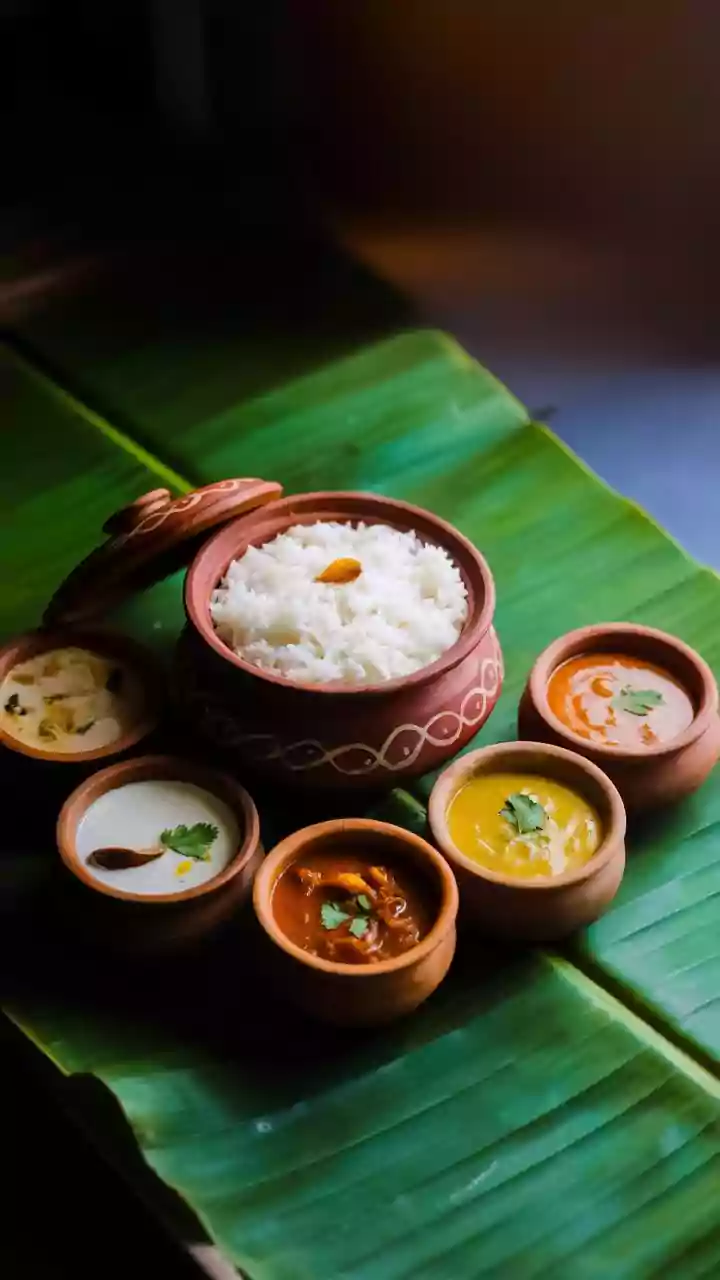
is the avoidance of foods derived from five grains, a common custom followed during the Poush Sankranti festival. This means familiar staples such as rice and roti are excluded from the menu, representing a temporary deviation from the usual meals. These dietary modifications are deeply interwoven with the seasonal changes, principles of Ayurveda, and astrological considerations associated with this time. It reflects a holistic approach where food choices are influenced by more than just taste; they are carefully selected to align with the rituals and the broader atmosphere of the occasion.
Curd and Cumin Avoidance
Beyond avoiding grains, the culinary practices of Makar Sankranti suggest steering clear of some common items. Among these are curd and cumin, which are not recommended for consumption on this day. Astrologer Chakrapani Bhatt highlights the connection of these customs with the shifts in the seasons and the principles of both Ayurveda and astrological beliefs. The rationale behind such restrictions is multi-layered, often believed to ensure well-being, good luck, and spiritual purity. As such, these guidelines offer a structured approach to eating, linking the act of consuming with broader cultural and religious practices. They aim to infuse the day with purpose, creating a sense of alignment with seasonal changes and astrological energies.
Sesame Seeds' Significance
On Makar Sankranti, the gifting of black sesame seeds is seen as a highly auspicious act. It’s a common practice to mix sesame seeds in bath water, believing it will bring good fortune. These tiny seeds are also incorporated into worship rituals and given to those less fortunate, signifying charity and the exchange of blessings. Consequently, the consumption of sesame seeds in any form is avoided on this day. The widespread use of sesame seeds highlights their essential role in the festive observances, embodying concepts of spiritual purity, wealth, and the sharing of prosperity.
Seeded Vegetables to Skip
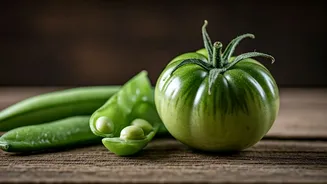
Another important aspect of the Makar Sankranti diet is the avoidance of vegetables that contain seeds. This includes commonly eaten items like beans, long beans, and pointed gourd. The avoidance of these vegetables is a direct reflection of the day’s rituals and beliefs. The intent behind avoiding seeded vegetables often circles around ideas of purity and the prevention of misfortune. These choices reflect a desire to synchronize meals with the broader spirit of Makar Sankranti, promoting harmony and well-being. By observing such guidelines, people aim to strengthen the auspiciousness of the day, ensuring a continuous flow of positivity and blessings.
Puja and Festive Dishes
The festival of Makar Sankranti is often marked by various religious observations, including Lakshmi Puja and Satyanarayan Puja. Alongside these worship ceremonies, traditional sweets are meticulously prepared and shared, symbolizing the sweetness of the occasion and the sharing of blessings. Despite the emphasis on festivity and joy, a cautious attitude to food persists. It's believed that eating certain foods on this day could lead to misfortune, disease, or financial hardships for the household. This belief underlines the significance of food choices and their implications, framing the meal as a vital aspect of the rituals, which can either bless or influence the day.
Non-Vegetarian Restrictions
The celebration of Makar Sankranti strictly prohibits the consumption of non-vegetarian food. This is an essential rule aimed at aligning with the religious principles of the day. It's believed that eating meat could block blessings from Goddess Lakshmi, which may lead to poverty and hardship. Beyond these, the practices stress avoiding any food that is burnt or overcooked, as it is also considered inauspicious. These guidelines reflect the belief that every aspect, especially what you eat, must align with the spirit of the auspicious day. By observing such guidelines, it ensures that the day is full of auspiciousness and blessings.
Dal and Leafy Greens
Additionally, certain ingredients, such as masoor dal, are deemed impure and should not be consumed during Makar Sankranti. Similarly, the red and Malabar spinach are discouraged, as these greens are seen as unsuitable for the occasion. The exclusion of these items reflects the importance of spiritual purity and the effort to align the diet with the festival's principles. These prohibitions, when combined with other practices, show how people treat food as a meaningful part of the celebration, connecting it with spirituality and good fortune. By observing these guidelines, the aim is to ensure the day is marked with a sense of reverence and well-being.
Roots of the Rituals
At the heart of Makar Sankranti's eating rules lies a deep connection with seasonal changes and traditions. Ayurveda, with its emphasis on balancing the body’s energies according to the seasons, plays a role in determining what is consumed and avoided. The influence of astrology adds another layer to this, connecting food choices with planetary positions and the associated energies. These practices, built on multiple foundations, illustrate the depth of traditions in Indian culture, where food is seen as an important aspect of a person’s health, spirituality, and good fortune. The emphasis on carefully chosen ingredients and avoidance of others reflects a holistic approach, linking consumption with the greater cultural and religious aspects of the festival.