


A Journey Through Idaho's Soul
The Salmon River Scenic Byway is more than just a road; it's a 160-mile corridor through the soul of Idaho, weaving a tapestry of natural grandeur and historical
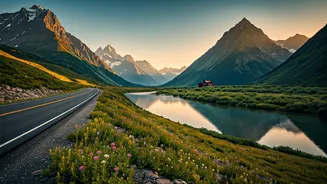
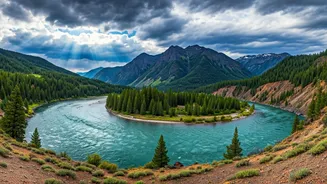
significance. As you navigate its curves, prepare to be captivated by the majestic peaks of the Sawtooth and Salmon River ranges, their silhouettes dramatically set against the sky. The serpentine path of the Salmon River, infamously known as the 'River of No Return' for its challenging whitewater, provides a constant, exhilarating companion. Beyond the visual splendor, this byway invites you to step back in time, following a segment of Lewis and Clark's 1805 expedition and exploring the remnants of Idaho's industrious mining era in its charming ghost towns. The journey also offers the chance to unwind in natural geothermal hot springs, a perfect balm for weary muscles after a day of exploration. Furthermore, the region is a haven for wildlife, offering glimpses of pronghorn, elk, eagles, and even wild mustangs, making morning and dusk drives feel like stepping into a living nature documentary.
Timing Your Scenic Drive
Deciding when to traverse the Salmon River Scenic Byway significantly shapes the experience. The most popular window for visitors is during the warmer months, from June through September, as many attractions and facilities are only operational during this period. Early summer is a delightful time, with wildflowers painting the landscape and all access points to natural areas fully open; it's also a period when the byway sees more traffic, which can be reassuring for those traveling alone. For those seeking a more solitary experience, the fall season offers a compelling alternative. The weather remains pleasant, temperatures are cooler, and the crowds diminish, leading to less competition for popular spots like hot springs. The deciduous trees along the byway, such as white alders and cottonwoods, ignite in a spectacular display of orange and yellow, particularly beautiful during the golden hours of sunrise and sunset. Spring presents another exciting opportunity, especially for those interested in witnessing the salmon migrations. While tourists are scarce and snow has largely receded, late-season storms can still occur, making tire chains a wise addition to your packing list. This season offers stunning views with fewer people around and the unique spectacle of nature's annual journey.
Essential Travel Preparations
Venturing along the Salmon River Scenic Byway means immersing yourself in some of Idaho's most remote and untamed landscapes. Consequently, essential services such as fuel stations, dining options, and lodging are sparse, with considerable distances between towns. It is crucial to monitor your fuel gauge diligently and refuel in settlements like Stanley, Challis, and Salmon before entering the more isolated stretches. Be prepared for unreliable cell service; downloading offline maps and directions to your must-see locations beforehand is highly recommended. Carrying a physical map can also be a valuable backup in areas where digital navigation fails. For overnight stays, a few hotels are dotted along the route, and advance booking, especially during the peak summer season, is advised. Alternatively, for those who enjoy rustic accommodations, the Salmon-Challis National Forest offers numerous dispersed campsites for a more immersive experience. Don't forget to pack binoculars and a camera to fully appreciate the grand mountain vistas, the dynamic river, and the diverse wildlife you're likely to encounter.
Key Destinations Along the Byway
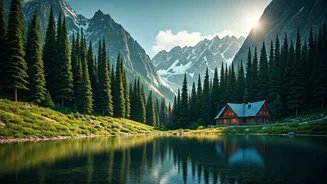
Your adventure on the Salmon River Scenic Byway likely begins in Stanley, approximately a three-hour drive northeast of Boise, the nearest major airport. Stanley, a small but vibrant community of around 120 residents, is a hub for outdoor enthusiasts, offering everything from fall horseback riding and mountain hikes to winter pond hockey and cross-country skiing. It also hosts hot spring festivals and offers world-class fishing. A short drive south of Stanley leads to Redfish Lake, a breathtaking glacial lake spanning five miles, perfect for hiking, paddling, and swimming. The crystal-clear waters, reflecting the surrounding Sawtooth Mountains, are a sight to behold. Continuing north, before reaching Challis, you'll discover Malm Gulch, a unique petrified forest where ancient sequoia trees, preserved by volcanic activity millions of years ago, can be explored via a short walk through arid desert terrain. Further on, the Land of the Yankee Fork State Park near Challis is a treasure trove of historical sites. It boasts the Yankee Fork Gold Dredge, the Challis Bison Jump, and the haunting ghost towns of Bayhorse, Bonanza, and Custer, where the remnants of the early 1900s gold rush are still visible. This park also encompasses the Challis Hot Springs, featuring paved pools with natural spring water flow, offering a relaxing soak with mountain views. As the byway ascends, prepare for stunning vistas. A rewarding stop is the Twin Hot Springs, accessible via a 3.6-mile hike south of the town of Salmon. These natural, rock-lined pools on a hillside provide spectacular overlooks of the Salmon-Challis National Forest. Although popular, the hike itself is worth the effort for the panoramic views. Your byway journey concludes just past Salmon, where the Sacagawea Center offers insights into the Lewis and Clark expedition and local Shoshone-Bannock culture. Finally, the town of Salmon provides diverse dining options, from locally brewed beers at Bertram's to casual fare at the Salmon River Cafe, offering a perfect end to your exploration.