
Noodle Nirvana
Noodles form the backbone of many beloved Chinese vegetarian dishes, and for good reason: their versatility is unmatched. Consider the classic Vegetable
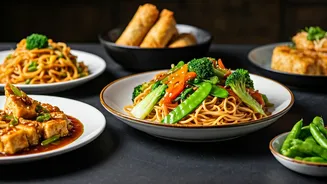
Chow Mein. This dish often incorporates a medley of vegetables like carrots, bell peppers, cabbage, and snap peas, stir-fried to tender-crisp perfection. These are then tossed with cooked noodles, along with a savory sauce made from soy sauce, sesame oil, and a touch of ginger and garlic. Another popular choice is Vegetarian Lo Mein, a close cousin of Chow Mein. The key difference lies in the type of noodle used. Lo Mein typically uses a softer, egg-based noodle, which soaks up the sauce beautifully, resulting in a more flavorful and moist dish. Vegetables similar to those used in Chow Mein can be added. For a spicier option, consider Spicy Noodles with Peanut Sauce. These noodles are coated in a rich peanut sauce, often infused with chili oil, creating a satisfying combination of textures and flavors. These recipes are incredibly customizable; add tofu, mushrooms, or other vegetables to suit your taste. The beauty of these noodle dishes lies in their simplicity and adaptability.
Rice Revolution
Rice dishes are equally important in vegetarian Chinese cuisine. Fried Rice reigns supreme. Vegetable Fried Rice is a staple, featuring fluffy rice stir-fried with an assortment of chopped vegetables, often including peas, carrots, and corn. Soy sauce is added for umami. For an extra layer of flavor and texture, consider adding scrambled eggs (if you're open to including eggs) or crumbled tofu. Another option to consider is Mushroom Fried Rice, where mushrooms take center stage, imparting an earthy depth to the dish. Then there's the more exotic option, such as Pineapple Fried Rice. While the base remains the same, the addition of sweet pineapple chunks and cashew nuts transforms the dish into a vibrant and tropical delight. Rice dishes provide a quick and easy way to enjoy the flavors of Chinese cuisine. With a bit of practice and creativity, you can customize these dishes. Start with basic recipes and experiment with different vegetables, sauces, and toppings to create exciting and flavorful rice dishes that will impress your family and friends.
Dumpling Delights
Vegetarian Chinese cuisine offers various dumpling options. The most popular is Vegetable Dumplings, also known as potstickers or gyoza. The filling typically combines finely chopped vegetables such as cabbage, carrots, and mushrooms, seasoned with soy sauce, ginger, and garlic. The dumplings are then either steamed, boiled, or pan-fried until golden brown. Steamed dumplings are cooked in a bamboo steamer, creating a delicate texture. Boiled dumplings are soft and chewy and typically served in a flavorful broth. Pan-fried potstickers have a crispy bottom and a tender top, offering a pleasant textural contrast. Another delicious option is Spring Rolls. These are filled with a mixture of shredded vegetables (such as cabbage, carrots, and bean sprouts), often with cellophane noodles and then deep-fried until golden and crispy. Spring rolls are often served with a sweet and sour dipping sauce. No matter the type of dumplings, they are an excellent option for appetizers or a light meal, providing a combination of textures and flavors.
Tofu Temptations
Tofu is a crucial ingredient in vegetarian Chinese cooking, prized for its neutral flavor, which allows it to absorb various sauces and flavors. Mapo Tofu is a Sichuan classic. This dish features silken tofu in a spicy, flavorful sauce. The sauce typically includes fermented black beans, chili bean paste, and a touch of Sichuan peppercorns, creating a complex and intensely flavorful experience. Another popular option is Stir-Fried Tofu with Vegetables. This is a versatile dish, with tofu stir-fried with your favorite vegetables in a savory sauce. The choice of vegetables is entirely up to you. Common additions include broccoli, snow peas, and bell peppers. For those who enjoy a sweeter flavor profile, consider Sweet and Sour Tofu. Crispy fried tofu is coated in a vibrant sweet and sour sauce, which provides a balance of tangy and sweet flavors. The versatility of tofu allows it to shine in numerous preparations, providing a protein-rich and satisfying option for vegetarian Chinese cuisine.
Soup Sensations
Soups play an essential role in Chinese cuisine, providing comfort and balancing the flavors of a meal. Hot and Sour Soup is a classic. This soup is characterized by its complex blend of spicy, sour, and savory flavors. The soup contains bamboo shoots, wood ear mushrooms, tofu, and other vegetables, thickened with cornstarch. The use of white pepper and vinegar gives the soup its signature tang and heat. Another option is Vegetable Dumpling Soup, where delicious vegetable dumplings are the star. The broth is usually light and flavorful, allowing the dumplings' textures and tastes to come through. Corn Soup is a simple yet satisfying option, often featuring creamed corn as a base. Other vegetables are added for both texture and taste. Soup is essential to balance the flavors of a meal, and these soups are a perfect way to start your Chinese vegetarian dining experience.
Sauce Secrets Revealed
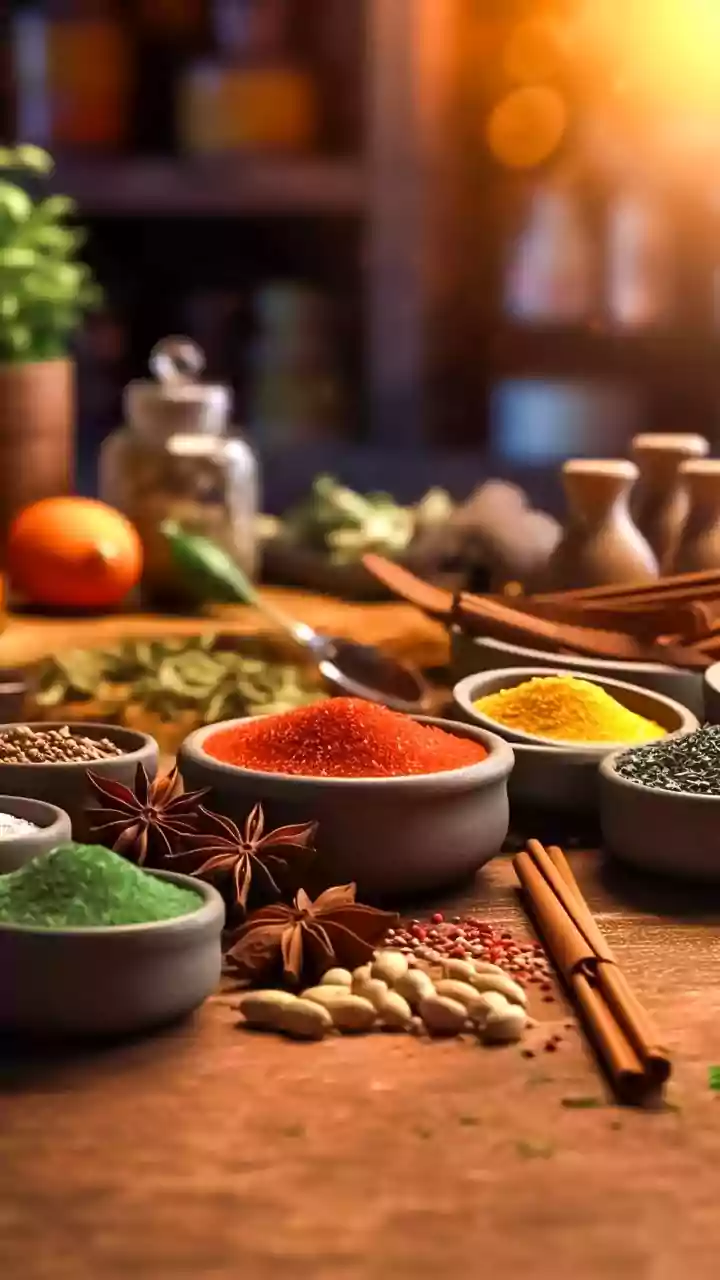
Sauces are essential to the appeal of Chinese vegetarian cuisine, adding both flavor and texture. Soy sauce serves as a fundamental ingredient, providing the umami base for many dishes. It can be used in stir-fries, marinades, and dipping sauces. Sesame oil adds a nutty fragrance and depth. A small amount of this oil can greatly enhance the overall taste of a dish. Chili oil adds a layer of heat and complexity. The flavor profile can be adjusted depending on the type of chili peppers used. Sweet and sour sauce provides the right balance of sweet and tangy flavors. The sauce usually combines vinegar, sugar, and sometimes ketchup or pineapple juice. Oyster sauce (though not vegetarian) is often used in traditional Chinese cooking; it can be replaced with vegetarian oyster sauce made from mushrooms or soy sauce. Knowing which sauces to combine and when is essential, making the flavors pop. Try experimenting with different sauce combinations to create unique and delicious dishes that suit your taste.