




Adaptable Growth Habits
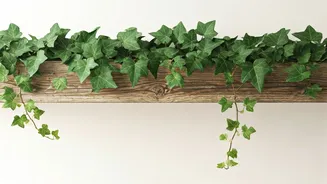
English ivy, scientifically known as Hedera helix, is celebrated for its remarkable adaptability and vigorous growth, making it a perennial favourite for both
indoor and outdoor settings. Its climbing nature, facilitated by small aerial roots, allows it to ascend walls and railings, creating dense, verdant tapestries. The leaves, typically a deep green with subtle variations in some cultivars, offer a soft, visually appealing texture. Research has even explored its potential in purifying indoor air by absorbing common pollutants. While it flourishes in bright, indirect light, it can also tolerate lower light conditions, though this may result in slower development. Outdoors, it thrives in shaded or partially shaded environments, as direct, harsh sunlight can cause leaf stress, particularly in warmer climates. Watering is uncomplicated; the soil should be kept consistently moist but never waterlogged, ensuring roots have adequate aeration.
Cultivation and Pruning
Cultivating healthy English ivy involves using a well-draining potting mix that isn't overly compacted, allowing roots to breathe freely. The plant generally prefers slightly acidic to neutral soil conditions. Fertilisation requirements are minimal; a monthly application of a balanced liquid fertiliser during the growing season is usually sufficient. Over-fertilising can promote weak, leggy growth rather than a lush, full appearance. Pruning is a key element for both maintenance and shaping the plant's aesthetic. English ivy naturally tends to spread widely, so strategic cutting helps manage its size and encourage new, bushy growth. Employing clean, sharp tools for pruning, ideally in early spring or late winter, will remove older or straggly stems, making way for vibrant new shoots and maintaining a desirable form.
Indoor Placement Ideas
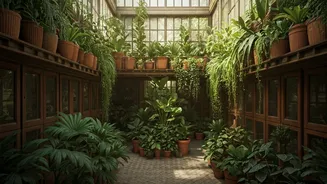
English ivy's cascading vines make it an ideal candidate for hanging baskets, adding a dynamic, flowing element to indoor decor. It also looks stunning placed on shelves or plant stands, its trailing tendrils introducing movement into static spaces. The plant generally prefers cooler indoor temperatures, aligning well with typical home environments, although sudden fluctuations in heat or dryness can negatively impact its growth. Many plant enthusiasts observe that its placement significantly influences its vigour; a spot near a bright window often encourages more active growth, while dimmer corners may lead to a more compact, slower-developing plant. These preferences allow for versatile integration into various home aesthetics.
Common Concerns & Safety
Addressing common issues with English ivy is straightforward. Yellowing leaves often signal overwatering or poor drainage, which can typically be rectified by adjusting watering habits. Pests like spider mites and aphids may occasionally appear, particularly on dusty leaves; a gentle wash or treatment with insecticidal soap is usually effective. Fungal problems can arise in overly humid or damp conditions, so ensuring good airflow and careful watering is crucial. Removing affected leaves promptly helps prevent further spread. Importantly, for households with pets, English ivy is toxic if ingested by animals, so it should be placed out of their reach. Culturally, it's also associated with stability and continuous growth in Feng Shui, often used to bring balance to stagnant areas.