





Pregnancy's Spinal Toll
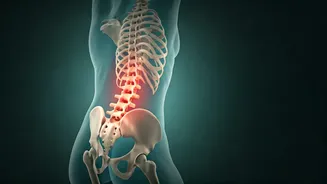
The journey of pregnancy places immense stress on a woman's spine, setting the stage for postpartum discomfort. Significant weight gain alters the body's
gravitational center, leading to postural adjustments that strain the lower back. Simultaneously, the body releases relaxin, a crucial hormone for childbirth, which loosens ligaments and joints throughout the body, including those supporting the spine and pelvis. While essential for delivery, this hormonal effect can create instability and predisposition to pain. The cumulative effect of these physiological changes during gestation means many women begin their postpartum period with an already compromised spine, making them vulnerable to persistent aches and stiffness that can impact their daily lives and ability to care for their newborns.
Postpartum Pain Triggers
The challenges don't cease after delivery; in fact, new motherhood often exacerbates back pain. Common culprits include adopting poor postures while breastfeeding or cradling the baby, leading to prolonged strain on the back muscles. Incorrectly lifting the infant, a frequent necessity for new parents, can also trigger or worsen existing back issues. The physical demands of caring for a newborn, coupled with insufficient rest and inadequate recovery time, contribute significantly to the discomfort. Experts note that around 70% of women experience this pain, with many seeking help for symptoms like lower back pain, muscle stiffness, and difficulty with basic movements like bending or lifting. If left unaddressed, this pain can escalate, potentially leading to more severe conditions like slipped discs, severely hindering a mother's capacity to manage her child and daily responsibilities.
Expert Recovery Strategies
Addressing postpartum back pain requires a proactive and informed approach. Healthcare professionals emphasize the importance of maintaining correct posture during all infant care activities, such as feeding and holding. Simple techniques like bending from the knees and hips rather than the back when lifting the baby are crucial. Gentle postnatal exercises, tailored and advised by a healthcare provider, can help strengthen core muscles and improve flexibility. For comfort during extended periods of sitting, using supportive chairs and cushions is highly recommended. Crucially, prioritizing rest and avoiding overexertion are vital for recovery. If pain persists beyond a few weeks, seeking professional medical advice is essential to prevent chronic issues and ensure a full return to normal activities.
Preventing Long-Term Issues
While approximately 50% of women report back pain after pregnancy, prompt and appropriate care can mitigate long-term complications. Gynecologists highlight that regular discomfort, reduced flexibility, and lower back fatigue are common complaints among women aged 25-37 in the postpartum period. Implementing simple lifestyle modifications early on can make a significant difference. These include consistent good posture, ensuring adequate hydration, and mastering the correct techniques for bending and lifting. Guided and appropriate exercise regimens are also highly beneficial. By adopting these measures and seeking professional guidance when needed, most women can achieve a full recovery, returning to their pre-pregnancy routines without the burden of lasting spinal issues.