





Shadow's Subtle Effect
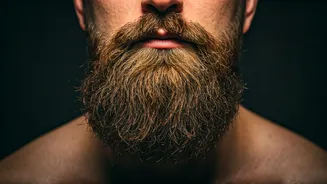
The initial aspect to acknowledge is the way your beard casts shadows when captured by a camera. This is an important factor in how old you look. The shadow formed
can be quite intense, making the angles of your face appear sharper and more pronounced, which tends to add an aged look to your appearance. The camera's lighting accentuates every single feature, including lines and wrinkles, thus amplifying the apparent age of the individual. Additionally, depending on the beard's length and thickness, the shadow can intensify the appearance of a double chin. Thus, the way light interacts with your facial hair plays a critical role in how the camera captures your age. Hence, it is not merely the presence of a beard, but how it interacts with light, that makes you look older in photographs.
Density: Ageing Accelerator
Next, the density of your beard, especially when combined with factors like color, can strongly impact how aged you appear in pictures. As a beard gets thicker, the amount of light that reflects off your skin reduces. A dense beard typically hides the skin, leading to more shadow and highlighting textures, lines, and wrinkles. This is often more obvious in photos than it is when viewed directly. Moreover, the contrast between the beard and the skin also becomes more stark in images. This stark contrast can lead to the perceived appearance of greater age. This means that a dense beard could make you appear older than you would if your beard was less dense. The trick here is balance – maintaining a beard that complements your facial structure without causing it to look overly heavy or stark in camera.
The Neck's Silent Clues
The neck area is often an easily overlooked sign of age, yet its condition plays a pivotal part in how the beard is perceived in pictures. The skin on the neck, when visible below the beard, is prone to wrinkles and sagging with age. These visible signs can reveal the true age of the person. If your beard isn't trimmed or styled in a way that compliments your neck, it can unintentionally draw attention to these signs of aging. Maintaining the neckline through regular grooming can help lessen the emphasis on these indicators. This proactive approach helps in framing your face in a more youthful manner. The interplay between your beard and the neck area highlights how attention to detail can drastically alter one's appearance in photos.
Texture Tells More
The texture of your beard also holds a secret in how you look. As you age, the texture of your beard, much like the hair on your head, may become coarser and less vibrant. This change is more visible in photographs. A coarser texture can create an impression of aging as light reacts differently on the uneven surface. In contrast, well-maintained, softer beard hair reflects light more evenly, potentially giving a more youthful look. To counteract this, using beard oils and balms to keep the hair moisturized, and by extension, maintaining a smoother texture can significantly impact how old you appear in photos. Regularly conditioning your beard will help to keep the texture soft and can drastically alter how the camera captures its appearance.
Face Shape Matters Too
The shape of your face and how your beard grows in alignment with it is another crucial element to consider. As you age, your face may alter subtly. The way a beard frames your face can either make these changes seem less or more pronounced. A beard that is not well-suited to your face shape can overemphasize the ageing features. For instance, a long, full beard may accentuate a receding hairline or sagging skin. The right beard style and maintenance is necessary to balance the proportions of your face. Experimenting with different styles and getting tailored advice from a professional barber can make a significant difference. Considering how your beard complements the shape of your face can help in creating a more youthful and balanced appearance in photographs.