






The Pink Lip Myth
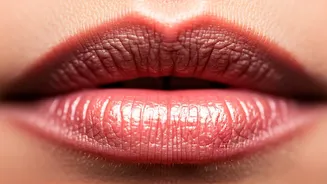
The pervasive notion of universally 'naturally pink lips' is often a beauty standard that doesn't align with reality for many, especially in India. This
aspiration is frequently promoted, yet it fails to represent the diverse spectrum of natural lip colors. The truth is, lip pigmentation is a complex trait influenced by a variety of factors, including ancestry, natural skin tone, and environmental conditions. For a significant portion of the Indian population, possessing overtly bright pink lips is not the biological default, and this variation should be viewed as a normal biological characteristic rather than a flaw requiring correction. This perspective shift is crucial in understanding and appreciating our inherent physical traits. It’s about acknowledging that beauty standards are often arbitrary and don't account for the rich tapestry of human genetics. Therefore, understanding the science behind our lip color helps us to move away from unrealistic expectations and embrace our authentic selves, promoting a healthier and more inclusive approach to beauty.
Science of Lip Color
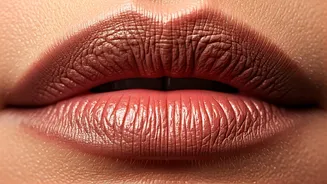
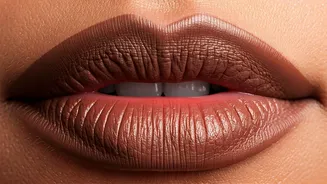
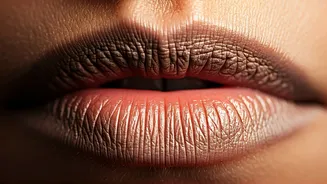
The scientific explanation for varying lip shades, particularly in different ethnicities, points to two primary biological elements: melanin and blood flow. Melanin, the pigment responsible for the coloration of skin, hair, and lips, plays a pivotal role. Individuals with deeper or dusky skin tones typically have a higher concentration of melanin, which translates to more pigmented lips. Conversely, those with less melanin possess more translucent lip skin, allowing the underlying red blood vessels to become more visible, thereby creating a pinkish hue. Given that a substantial portion of the Indian population exhibits medium to deep skin tones, darker lips are genetically predisposed. This inherited trait is not indicative of any deficiency or issue but rather a natural genetic expression. Furthermore, the skin on our lips is exceptionally thin, making even subtle increases in melanin pigmentation readily apparent. In regions like India, continuous exposure to sunlight also stimulates increased melanin production as a protective mechanism, which can lead to a gradual darkening of the lips over time. Understanding these biological mechanisms provides clarity on why lip colors differ so significantly across diverse populations.
Embracing Natural Beauty
While aiming for healthy and appealing lips is completely understandable, it's important to distinguish this from chasing unattainable beauty ideals. Simple practices like maintaining adequate hydration, consistently using a lip balm equipped with SPF for sun protection, and incorporating gentle exfoliation can significantly enhance the appearance of lips, making them look smoother and healthier. For those who genuinely wish to alter their lip color or appearance, a variety of cosmetic treatments and products are readily available. However, the core message is to re-evaluate the pursuit of a beauty standard that was not intrinsically designed for everyone. Not having naturally pink lips is entirely normal and a common characteristic for many. Rather than attempting to artificially create a color that deviates from one's natural tone, a more beneficial approach is to prioritize the health and hydration of your lips. Healthy lips, regardless of their natural shade, possess an inherent beauty that requires no enhancement or alteration to be appreciated.