





Robotic Velocity Breakthrough
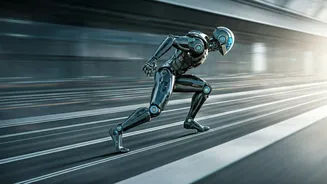
In a significant stride for robotics, new humanoid machines have demonstrated the capacity to move at astonishing speeds, reaching up to 22 miles per hour.
This remarkable velocity brings them incredibly close to the fastest recorded human sprint speed, exemplified by Usain Bolt's peak performance. These advanced robots, a product of dedicated engineering, are not merely about speed; they represent a leap forward in autonomous capability. Their development focuses on creating machines that can operate effectively in environments where human intervention is either too slow or too dangerous. The implications are vast, particularly for scenarios demanding rapid deployment and intervention. This technological advancement underscores the ongoing pursuit of creating robotic systems that can augment human efforts in critical and time-sensitive situations, pushing the boundaries of what's currently possible.
Advanced Navigation and Support
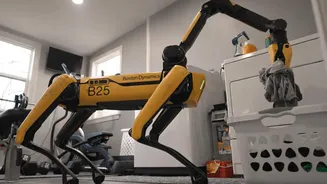
Beyond their impressive speed, these sophisticated robots are engineered with a suite of advanced sensors and intelligent artificial intelligence systems. This combination allows them to expertly navigate complex and unpredictable terrains, identifying potential dangers and obstacles with precision. Their design also incorporates the ability to carry significant loads, with a capacity of up to 50 pounds. This payload capability is crucial for their intended applications, such as delivering vital supplies, medical equipment, or essential tools to disaster-stricken areas. The robots' capacity to operate autonomously in hazardous conditions and provide on-site support significantly enhances their value in emergency response scenarios, potentially saving lives and mitigating further damage by reaching locations inaccessible or too risky for human teams.
Agility for Demanding Tasks
The development team has focused on creating robots that are not only fast but also exceptionally agile and adaptable. These machines are equipped to tackle demanding physical challenges, including ascending stairs, leaping over barriers, and maintaining stable footing on uneven ground. This versatility is paramount for their deployment in search and rescue missions, where diverse environments from collapsed buildings to natural disaster sites must be navigated. The continuous refinement of their balance and locomotion systems ensures they can perform reliably under duress. This adaptability is a testament to the extensive research and development aimed at producing robots capable of performing complex tasks in unstructured and challenging settings, thereby expanding the scope of robotic assistance in critical operations.