





Fresh Produce Picks
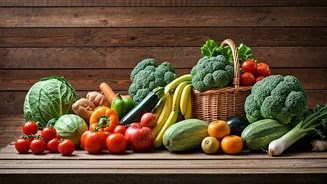
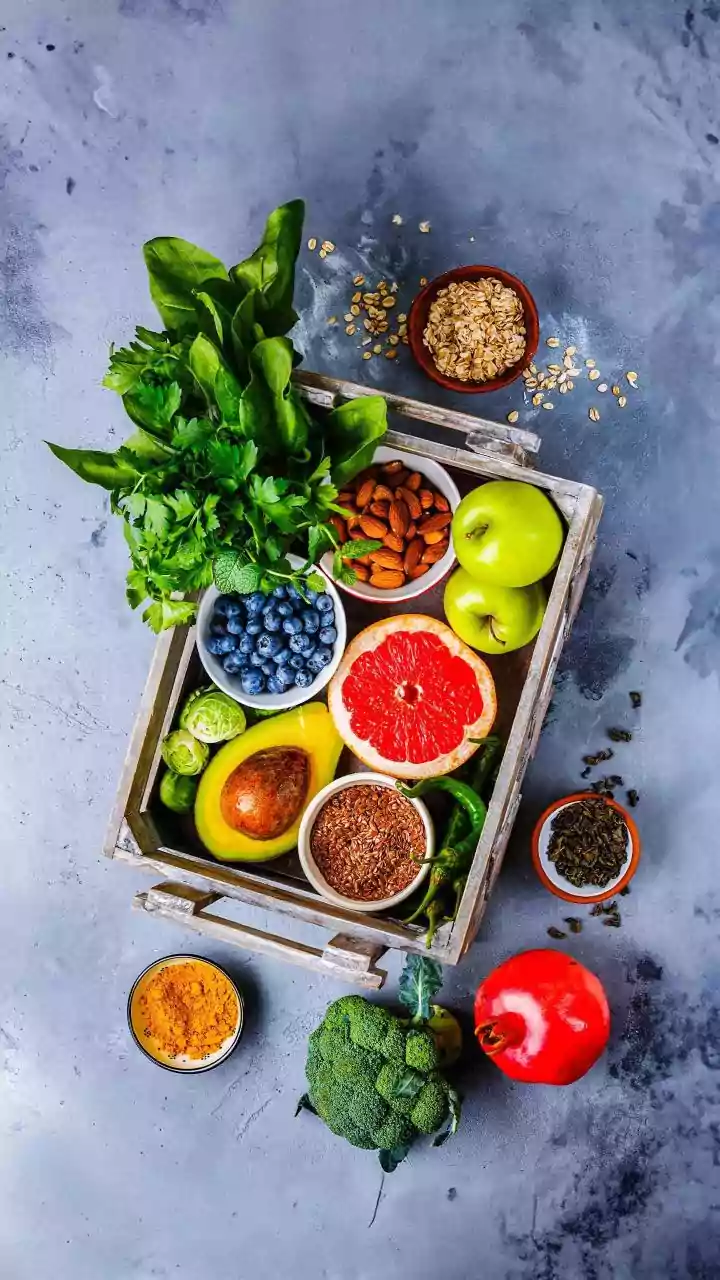
When stocking up on fruits and vegetables, prioritizing local and seasonal options from a trusted vendor is key for freshness and reduced pesticide exposure.
For parents keen on minimizing chemical intake, focusing on organic choices for certain items becomes important. The "dirty dozen" list, which includes produce like strawberries, kale, spinach, apples, grapes, bell peppers, cherries, peaches, pears, celery, and tomatoes, are known to retain higher levels of pesticide residue. Therefore, opting for organic versions of these can be a worthwhile investment. Conversely, the "clean fifteen" – such as avocado, papaya, pineapple, onions, peas, asparagus, melon, kiwi, cabbage, mushrooms, mangoes, and sweet potatoes – are generally considered safer even when not organically grown. To further reduce any remaining residues on conventionally grown produce, a thorough wash in warm water with a teaspoon of baking soda for about fifteen minutes can effectively remove a significant amount of contaminants, ensuring your family enjoys safer, cleaner food.
Savvy Salt & Sweeteners
Managing salt and sugar intake is crucial for a child's health, especially for infants and toddlers. For babies under one year, it's recommended to keep their daily sodium intake extremely low, around 400 mg, which is approximately 1 gram of salt. This is because they already receive sodium from breast milk or formula, making added salt unnecessary and potentially harmful. Be mindful of hidden salt in common foods like cheese and bread. For children aged 1 to 3 years, a slight increase to about 800 mg of sodium daily is permissible, and after 4 years, it can go up to 1200 mg. When choosing salt, iodized sea salt or pink Himalayan salt are preferable. For sweeteners, it's best to avoid all added sugars until after age two, as recommended by pediatric health organizations. Maple syrup, honey, or dates can be used sparingly for babies over one year. After the age of two, added sugars should be limited to under 25 grams per day, equivalent to about 6 teaspoons. While jaggery offers some minerals compared to white sugar, it should still be used in moderation as the body processes it similarly to regular sugar. Always check packaged food labels for added sugar content, aiming for products with no added sugar or very minimal amounts.
Wholesome Fats & Grains
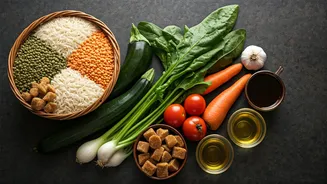
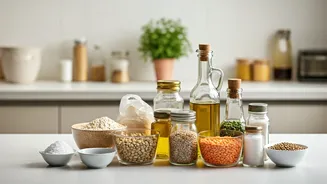
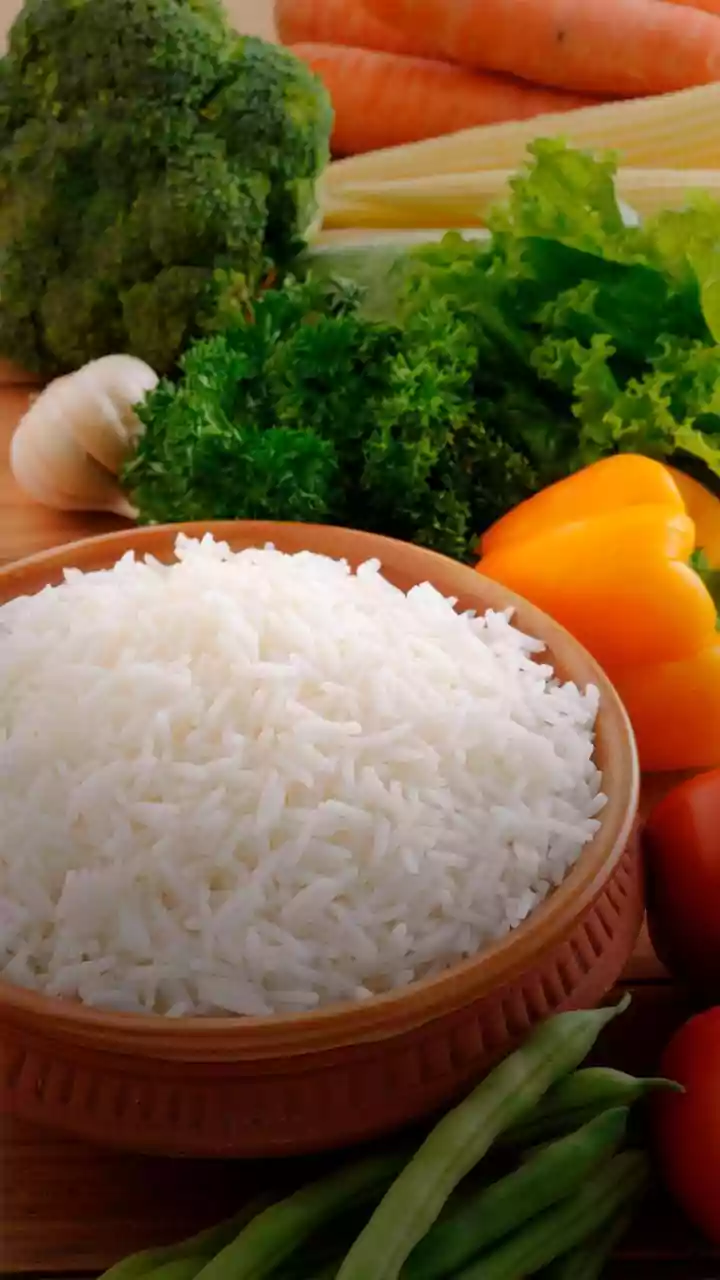
Selecting healthy fats and nutrient-dense grains forms the foundation of a balanced diet for growing children. When choosing oils and ghee, opt for those that are cold-pressed or prepared using traditional methods, such as extra-virgin olive oil, coconut oil, and desi ghee, all of which are beneficial in moderation. Eggs are a powerhouse of complete protein; ensure you source them from reputable suppliers and look for organic certification if available. For dals and various types of beans, local varieties are often fresher and packed with more nutrients. To enhance digestibility, especially for young children, rinsing them thoroughly and soaking them overnight is a beneficial practice. When it comes to dairy products like milk, curd, and paneer, full-fat versions are ideal for babies and toddlers. Similarly, for grains such as rice, wheat, ragi, and oats, purchasing locally sourced options whenever possible is recommended. Prioritizing whole grains is paramount as they provide sustained energy and essential fiber, supporting overall digestive health and satiety. Remember that while organic is often ideal, it's not always achievable or necessary; careful label reading and trust in local vendors are also effective strategies.