






Water Unfit Concerns
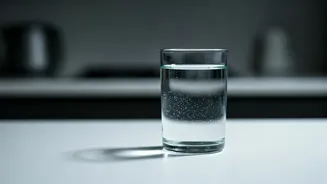
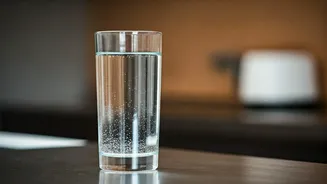
The decision to declare water unsafe for consumption in Sector 70A is a critical matter. This declaration signals a significant health risk to the residents
of the sector. The reasons behind this decision require careful examination, as they could stem from various factors, including contamination issues or problems within the water supply infrastructure. Local authorities and public health officials are likely involved in assessing the situation, including identifying the specific contaminants present and evaluating the extent of their impact on the water quality. It is essential for residents to be informed about the risks associated with the water supply and understand the precautionary measures they need to take to protect their health. This information may encompass the use of bottled water for drinking and cooking purposes until the problem is resolved. Moreover, it is important for the community to receive regular updates from the relevant authorities.
Health Implications Explored
The immediate impact of consuming unsafe water can vary depending on the nature and concentration of the contaminants. Residents might initially experience gastrointestinal issues, such as diarrhea, nausea, and vomiting. Moreover, extended exposure to contaminated water can lead to more serious and long-term health complications. The specific health risks depend on the kind of contaminants present in the water, which can include bacteria, viruses, or chemical pollutants. Children, the elderly, and individuals with compromised immune systems are generally more vulnerable to the effects of contaminated water. Public health officials are likely working to determine the precise health risks associated with the contamination, to devise strategies to minimize the impact on the community. This process may involve health surveys, and monitoring of waterborne illnesses within the population. Public awareness campaigns may be launched to highlight potential health risks and encourage residents to seek medical attention if they experience any related symptoms.
Addressing the Crisis
Addressing the unsafe water situation requires a comprehensive approach by local authorities and public health experts. The initial step typically involves a thorough investigation to identify the source and nature of the contamination. Water samples will likely be analyzed in laboratories to pinpoint the specific contaminants and to assess their concentration levels. Based on these findings, appropriate remediation measures can be planned and implemented. These measures might encompass cleaning and sanitizing the water supply infrastructure, fixing any potential leaks or breaches, or adopting new treatment technologies to remove contaminants. Simultaneously, efforts should be made to ensure that residents receive safe water. This might involve setting up temporary water distribution stations, or providing financial support to the affected residents to buy safe drinking water. Regular communication with the community is very important.
Community Response
In response to the announcement, Sector 70A residents should take proactive measures to safeguard their health. The key recommendation is to avoid the consumption of tap water for drinking, cooking, and preparing beverages until the water is declared safe. Bottled water is a safe alternative. Furthermore, residents should follow any additional guidelines provided by local authorities and public health officials. This may include boiling water for a certain period before use. Residents should promptly report any symptoms that they think could be related to the water contamination. Collective action is also encouraged; community groups might be organized to advocate for transparent communication from the authorities and to push for a timely resolution to the crisis. Awareness about water safety and the potential risks must be encouraged within the community, as it can help residents make informed decisions. Also, it fosters a sense of preparedness for similar emergencies in the future.