



Scalp Massage Mechanics
The traditional Japanese ritual of massaging the scalp with a wooden comb before sleep has garnered significant attention online, particularly for its
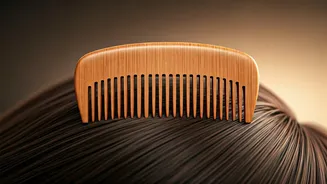
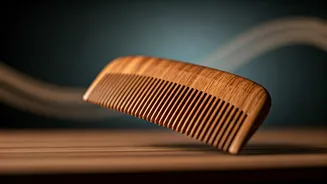
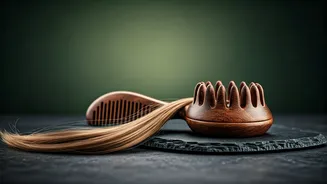
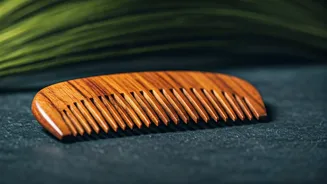
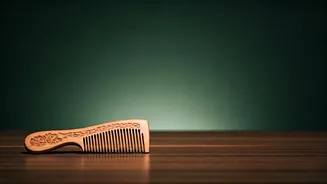
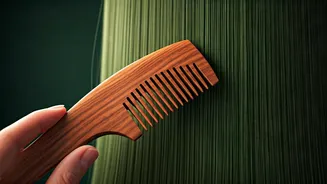
purported ability to combat premature greying. While social media buzzes with its efficacy, dermatologists suggest there's a scientific foundation to the practice. Scalp massage, whether with a wooden comb or fingertips, primarily works by enhancing blood circulation. This increased flow of blood to the hair follicles delivers essential oxygen and vital nutrients, fostering healthier hair growth and potentially slowing down the decline of pigment cells responsible for hair color. However, it's crucial to understand that while improved circulation is beneficial, it's not the sole determinant of hair greying. Genetic predisposition, the natural aging process, and overall lifestyle choices exert a far more substantial influence on when hair begins to turn grey. Therefore, while the nightly scalp massage can be a valuable addition to a hair care routine, it cannot entirely prevent the onset of grey hair on its own.
Stress Reduction's Role
Beyond the direct physiological impact on the scalp, the perceived effectiveness of the wooden comb ritual often stems from its dual role in lifestyle and stress management. A gentle scalp massage, performed consistently at night, not only provides a form of nourishment to the scalp but also plays a significant part in reducing stress levels and promoting overall relaxation. Stress is a widely recognized contributor to both premature greying of hair and increased hair loss. Consequently, individuals who incorporate this habit into their daily routine may observe improvements in their hair's condition. This positive outcome is less about a mystical property of the comb and more about the tangible effects of stress alleviation and enhanced scalp nourishment. The calming nature of the ritual itself contributes to a more relaxed state, indirectly benefiting hair health by mitigating the negative effects of chronic stress.
Considerations and Precautions
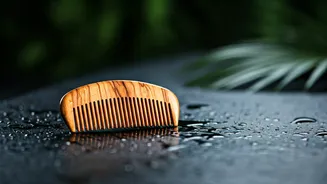
Embracing the wooden comb scalp massage is generally safe for most individuals, provided it's performed with care and gentleness. A brief session of one to two minutes of gentle massage with a smooth wooden comb or even fingertips is unlikely to cause harm. However, individuals with pre-existing scalp conditions such as eczema, psoriasis, or active infections should exercise caution. It is strongly recommended that they consult with a dermatologist before adopting this practice to ensure it doesn't exacerbate their condition. The key takeaway from experts is to maintain realistic expectations. While scalp massage can be a beneficial component of a holistic hair care regimen, it's not a miracle cure for greying hair. Predominantly, greying is a genetic phenomenon. For substantial improvements in hair health and color retention, a balanced diet, adequate sleep, and effective stress management are paramount. For those already experiencing greys, evidence-based solutions like hair dyes or medical interventions remain the primary options.
A Wellness Practice
Ultimately, the Japanese wooden comb scalp ritual can be viewed as a worthwhile wellness practice rather than a definitive solution for hair greying. Its affordability, coupled with its inherent relaxation benefits, makes it an appealing self-care option. Beyond potentially enhancing hair texture and improving sleep quality, it offers a moment of tranquility in an often-hectic day. Considering it a form of self-care, similar to other mindfulness activities, allows individuals to appreciate its relaxing and comforting aspects. If you find joy in establishing calming bedtime rituals, this practice can serve as a soothing addition, contributing to your overall sense of well-being without the pressure of expecting it to reverse or prevent all signs of aging.