





The Silent Threat
High blood pressure, or hypertension, is a pervasive health challenge affecting approximately 1.28 billion individuals globally, translating to one in five
adults. Its prevalence has alarmingly increased since the 1990s, particularly in developing nations. This condition often progresses unnoticed for years, with a staggering 42% of affected adults unaware of their hypertension. The insidious nature of high blood pressure lies in its lack of overt symptoms, making it a silent killer. Many individuals live seemingly normal lives, unaware that their cardiovascular system is under immense strain. This leads to significant damage to blood vessels and an elevated risk of serious events like strokes and heart attacks. Recognizing that hypertension is the leading modifiable risk factor for cardiovascular disease, responsible for around 10 million annual deaths, underscores the critical need for awareness and early detection. The problem is exacerbated by the fact that while hypertension is treatable and manageable through lifestyle changes and medication, these interventions are only possible if the condition is identified.
Home-Based Warning Signals
Hypertension, often termed a 'silent condition', can manifest through subtle changes in your daily life that are easily overlooked if you're not paying close attention. Dr. P. Ashok Kumar highlights that these early indicators often appear in routine activities and can be detected within the comfort of your home. One common, early sign is persistent morning headaches, which feel heavy or throbbing at the back of the head. While occasional headaches are normal, frequent occurrences upon waking might signal elevated blood pressure, especially since they often improve as the day progresses, leading people to attribute them to stress or lack of sleep. Another overlooked symptom is unusual or persistent tiredness, even after sufficient rest. This exhaustion stems from the heart working harder to circulate blood, a consequence of high blood pressure. If everyday tasks suddenly feel more demanding, it's a potential cue to monitor your blood pressure. Similarly, experiencing breathlessness during routine activities like climbing stairs or brisk walking could indicate compromised heart or vascular function. Frequent, unexplained nosebleeds, beyond those caused by dry air or allergies, should also be investigated, particularly when accompanied by other symptoms. Visual disturbances, such as blurry vision or difficulty focusing, can arise from the impact of high blood pressure on the delicate blood vessels within the eyes.
Daily Life Indicators
Beyond headaches and fatigue, several other subtle signals can emerge from your everyday routines, hinting at the presence of high blood pressure. Poor sleep quality, characterized by an irregular sleep pattern, frequent awakenings during the night, or significant snoring, might be an indication of underlying hypertension or associated conditions like sleep apnea, which can exacerbate its effects. Any chest pain or discomfort, even if it feels like tightness and isn't severe, warrants attention if it occurs repeatedly. These chest sensations should be assessed by a healthcare professional to rule out cardiac issues. Furthermore, emotional changes can precede physical symptoms; increased anger or irritability can be linked to chronic stress, which is a known contributor to hypertension. When the body is under prolonged stress, emotional responses can manifest before overt physical signs become apparent. Recognizing these seemingly minor disruptions in sleep, physical comfort, or emotional state at home is crucial. These seemingly disconnected occurrences, when viewed collectively, can paint a picture of a health issue that requires medical attention. Acting on these early signals can make a significant difference in managing the condition and preventing severe long-term consequences.
Taking Proactive Steps
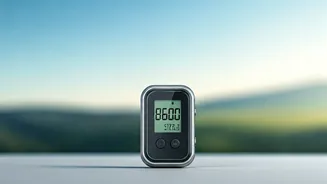
The most effective strategy for identifying hypertension, given its often asymptomatic nature, involves regular self-monitoring. Utilizing a reliable home blood pressure monitor allows individuals to track their readings consistently in a familiar environment, providing valuable data for early detection. Discovering hypertension in its nascent stages offers a critical window for intervention and positive lifestyle modifications. Simple yet impactful changes, such as reducing sodium intake, engaging in regular physical activity, effectively managing stress, and prioritizing adequate sleep, can significantly contribute to lowering blood pressure. By remaining attentive to the subtle symptoms and changes occurring within your body and taking prompt action, you can proactively safeguard your long-term health. Early recognition of warning signs and timely consultation with a healthcare provider can prevent the onset of severe complications, including heart disease, stroke, and kidney-related issues, ultimately leading to a healthier life.