






Morning Metabolism Explained
The human body exhibits distinct metabolic characteristics in the morning, largely due to the overnight fast. This period often sees increased insulin
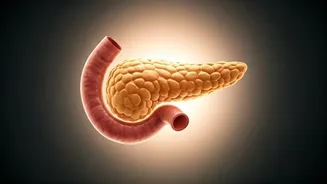
sensitivity, meaning your body responds more effectively to insulin. However, this heightened sensitivity can sometimes lead to an overcorrection by the pancreas, which may release an excessive amount of insulin. This overzealous insulin response can cause blood glucose levels to drop too rapidly after a meal, a phenomenon often termed reactive hypoglycemia. This condition differs from diabetic hypoglycemia and is characterized by a swift rise in glucose followed by a significant dip within one to three hours post-consumption. The natural fluctuations in cortisol levels in the early morning can further amplify these effects, making this pattern surprisingly prevalent, particularly among individuals in India who might be in a pre-diabetic stage. It's a clear signal that the body isn't efficiently processing carbohydrates, especially refined ones, right after waking up.
Breakfast: The Prime Culprit
The real trigger for these post-breakfast blood sugar drops often lies in the composition of your morning meal. Consuming diets rich in refined, fast-digesting carbohydrates can lead to a rapid surge in blood glucose, inevitably followed by an energy crash. Many traditional Indian breakfast items, such as those made with maida (refined flour), like white bread or cornflakes, alongside sugary beverages like masala chai, are notorious for causing this sharp blood sugar spike. The diabetologist cautions that the more 'soft, white, and processed' a breakfast food is, the greater the risk of experiencing these dips. Even seemingly healthy South Indian staples like idli, dosa, and poha can contribute to a quick glucose rise, often followed by a delayed insulin surge that culminates in a low blood sugar episode. This explains why many individuals experience symptoms like sweating, trembling, intense hunger, irritability, or lightheadedness a couple of hours after eating, with these feelings often subsiding shortly after another meal.
Recognizing and Responding
While these post-breakfast low blood sugar episodes are typically not dangerous, they should not be overlooked as they can indicate an early metabolic imbalance. Frequent dips can be a warning sign of your metabolism struggling to cope. It's crucial to pay attention to the symptoms such as sweating, tremors, heightened hunger, irritability, and lightheadedness that occur a few hours after your morning meal. These symptoms often resolve on their own once you consume something else, which is an important indicator to note. Although these occurrences are generally not cause for panic, consistent occurrences warrant attention. In instances where these episodes are severe, frequent, or accompanied by confusion or blackouts, seeking immediate medical evaluation is essential. Similarly, if low blood sugar starts occurring in a fasting state, professional medical advice is necessary without delay. The primary strategy to mitigate this issue involves creating a balanced meal: combining protein, fiber, healthy fats, and low glycemic index carbohydrates.
Balanced Breakfast Solutions
The pathway to preventing post-breakfast blood sugar dips is straightforward: focus on creating balanced meals that avoid sharp sugar spikes. An ideal breakfast should incorporate a combination of protein, fiber, healthy fats, and low glycemic index carbohydrates. To cater to the Indian palate, several nutritious options can be considered. For instance, eggs paired with a multigrain roti or a vegetable omelette offer a good mix of protein and complex carbohydrates. Paneer bhurji or tofu scramble are excellent vegetarian protein sources. Sprouts chaat, enhanced with nuts, provides fiber and healthy fats. Greek yogurt combined with seeds offers probiotics and essential fatty acids. For those who consume non-vegetarian options, eggs, chicken, or fish served with sautéed vegetables can provide sustained energy release and a rich nutrient profile. These choices help stabilize blood sugar levels throughout the morning, preventing the common energy crashes.