






Ancient Cooling Marvel
Long before the advent of air conditioning and the widespread use of tiles or marble, traditional Indian homes, particularly in Kerala, employed ingenious
methods to combat the intense heat. Among these is the fascinating Kaavi flooring, a technique honed over 300 years ago. This ancient practice was specifically developed to provide natural relief from the sweltering Indian summers, offering a sustainable and remarkably effective solution. Today, as we increasingly rely on energy-intensive cooling systems and imported materials like Italian marble, this simpler, more intelligent approach is unfortunately on the verge of being forgotten. Kaavi flooring is more than just a building material; it represents a lost wisdom of climate-responsive architecture that prioritized the environment and local resources.
The Art of Kaavi
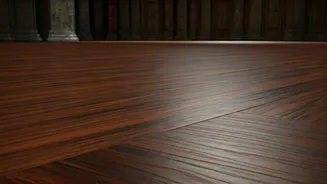
The creation of Kaavi flooring is as distinctive as its cooling prowess, relying on a unique blend of natural components. Unlike contemporary flooring methods that involve cement and synthetic chemicals, Kaavi utilizes a simple yet powerful combination of lime, iron oxide, and water. Skilled artisans meticulously apply this mixture by hand, allowing it to cure naturally over time. The subsequent stage involves hours of patient polishing with coconut oil, a process that transforms the surface into a gleaming, mirror-like finish. This careful application of coconut oil is not merely for aesthetics; it significantly enhances the floor's natural cooling capabilities and imparts a unique glow that synthetic polishes simply cannot replicate. The outcome is a surface that remains remarkably cool to the touch, even on the hottest of afternoons, providing a welcome respite from extreme temperatures.
Enduring Beauty and Durability
Beyond its exceptional cooling properties, Kaavi flooring boasts an astonishing level of durability that improves with age. The more this flooring is used, the more its surface shines, developing a richer patina over time. Instead of wearing down, the continuous foot traffic polishes the surface further, enhancing its sheen and resilience. This unique characteristic means that Kaavi flooring can last for an impressive span of up to 100 years without showing any signs of wear or damage, a testament to the robustness of its natural composition. Despite its numerous advantages, including its longevity and cooling effects, this traditional craft is facing a severe decline. The number of artisans who possess the genuine skill and knowledge to execute Kaavi flooring in its authentic form is dwindling, making it a rare and precious heritage.
A Lost Wisdom
The fading of Kaavi flooring signifies the potential loss of more than just an ancient building technique; it represents the erosion of a holistic approach to living. This traditional method embodies a philosophy that prioritized sustainability, a deep understanding of local climate conditions, and the thoughtful use of readily available materials, long before these concepts became fashionable modern concerns. This flooring is a tangible example of India's innovative spirit, offering a practical, beautiful, and environmentally sound solution to pervasive heat. The fundamental question it poses is whether we, in our pursuit of modern luxury, are overlooking the profound wisdom embedded in our own heritage. The choice between a centuries-old, naturally cooling floor and contemporary materials like marble becomes a reflection of our values and priorities.