



The Toothpaste Polish
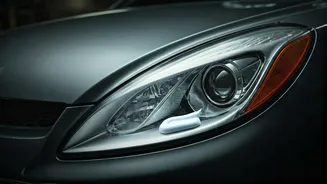
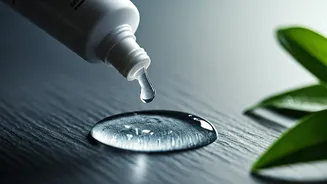
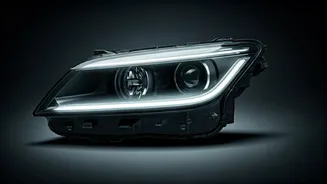
Many car owners turn to toothpaste as a readily available solution for hazy headlights, leveraging its mild abrasive qualities. The idea is that the fine
grit in toothpaste can gently buff away the oxidized layer that causes the cloudiness and yellowing on plastic headlight lenses. This polishing action can, for a short period, improve the clarity and visibility by removing surface contaminants and a thin layer of degraded plastic. It's a quick and inexpensive approach often attempted by DIY enthusiasts looking for immediate, albeit temporary, cosmetic improvement. The process typically involves applying toothpaste to the damp headlight surface and rubbing it with a cloth, followed by rinsing and drying. While it can offer a noticeable, albeit fleeting, enhancement to the headlight's appearance, scientific insights indicate its limitations.
Limited Lifespan
While toothpaste can indeed create a temporary shine, its effects are remarkably short-lived, typically lasting no more than two to three weeks. Scientific research highlights that the plastic used in headlights is susceptible to photodegradation, meaning exposure to sunlight causes it to oxidize and deteriorate over time. Toothpaste's abrasive action removes some of this oxidized layer, increasing transparency momentarily. However, it fails to address the root cause: the lack of protection against ultraviolet (UV) radiation. Without a protective barrier, the plastic lens re-oxidizes rapidly, leading to the return of haziness. This means repeated applications of toothpaste are necessary to maintain even a temporary improvement, which can become tiresome and ultimately ineffective for long-term clarity and driving safety.
Ineffective DIY Methods
Beyond toothpaste, other common household items like vinegar, baking soda, or standard glass cleaners are also explored as DIY headlight restoration methods. While these can effectively clean the surface of the headlights, they do not fundamentally combat the issue of oxidation caused by UV exposure. Scientific reviews on photodegradation, such as those published in journals like SpringerPlus, explain that plastics inherently degrade and discolor under prolonged UV light, and simple surface cleaning cannot prevent this process. Automotive experts and insurance companies often recommend using UV sealants after cleaning the lenses. These sealants form a crucial barrier, shielding the plastic from the sun's damaging rays, similar to how professional restoration services protect the lenses. Relying solely on cleaning agents without UV protection will inevitably lead to recurring haziness and a reduced lifespan of the headlights.
Professional Restoration
For a truly durable and safe solution to foggy headlights, professional restoration services offer a comprehensive approach. These experts begin by meticulously wet sanding the lenses with various grit sandpaper, gradually smoothing out the damaged surface. This is followed by a polishing stage to restore clarity. The most critical step in professional restoration is the application of a specialized UV-resistant coating. This protective layer acts as a shield against the sun's harmful rays, significantly slowing down the oxidation process and preventing future hazing. Research published in academic sources, like MDPI Polymers, confirms the necessity of protecting plastic materials from UV radiation and weathering to preserve their optical qualities. While DIY hobbyists might experiment with sanding blocks and sealers, professional treatments provide a level of protection and longevity that is hard to replicate without proper tools and expertise.
Balancing Convenience and Safety
For car owners seeking a balance between convenience and long-term headlight performance, understanding the limitations of quick fixes like toothpaste is paramount. While toothpaste offers an accessible, immediate aesthetic improvement, it's a short-term fix that requires frequent repetition. For more lasting results, combining cleaning methods with the application of UV protection is advisable. This could involve using a dedicated headlight restoration kit that includes a sealant, or even exploring DIY methods that incorporate a UV-resistant clear coat after thorough cleaning and sanding. This approach ensures that the headlights not only look clearer but also maintain their brightness and structural integrity for a significantly longer period, enhancing driving safety, especially during nighttime conditions, and avoiding the recurring effort and potential for scratching associated with abrasive toothpaste applications.