






A Fertile Frontier
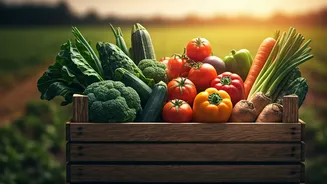
West Bengal has earned its esteemed moniker as the 'Vegetable Basket of India' due to its exceptional capacity for producing a vast array of vegetables
in substantial volumes. This agricultural prowess is underpinned by two key natural assets: incredibly fertile alluvial soil and a consistent, plentiful supply of water. These elements create an ideal environment that facilitates vegetable cultivation throughout the entire year, enabling farmers to consistently meet demand. The state's agricultural landscape is dominated by the large-scale cultivation of popular crops such as potatoes, tomatoes, brinjals, and a wide variety of leafy greens. These staples are not merely consumed locally but are also a crucial supply for numerous neighboring states and markets stretching across the entire country, highlighting Bengal's integral role in India's food security.
Nurturing Growth Conditions
The state's remarkable agricultural output is further bolstered by sophisticated and well-developed irrigation systems, alongside strong, supportive agricultural practices that empower its farmers. These infrastructural and methodological advantages, combined with naturally favorable climatic conditions and exceptionally fertile soil, create a perfect synergy. This allows farmers to engage in multi-cropping, successfully growing diverse varieties of produce in succession throughout the year. The presence of numerous rivers and readily accessible irrigation facilities ensures that water availability is never a limiting factor, supporting continuous and intensive cultivation efforts. It is this persistent and reliable production that has cemented West Bengal's popular and well-deserved nickname as the nation's primary source of fresh vegetables.
Economic Lifeline & Distribution
The bounty harvested from West Bengal's fields doesn't just stay within its borders; it fuels markets far and wide. Reports indicate that the vegetables cultivated in West Bengal are transported extensively, reaching neighboring states and major metropolitan centers across the nation. This expansive distribution network is made possible by a robust and well-established transport infrastructure, which efficiently handles the large-scale movement of fresh produce. Beyond its role as a food supplier, vegetable farming in West Bengal serves as a critical source of livelihood for a significant portion of its population. The industry not only provides essential employment opportunities but also sustains and supports rural economies, making it a cornerstone of the state's socio-economic fabric and a vital contributor to the national agricultural economy.