






Introducing Metro Line 13
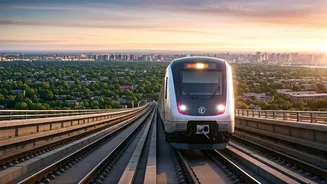
Mumbai Metro Line 13 is poised to become a crucial artery within the city's expansive metro network, designed to bridge the gap between Mira-Bhayandar
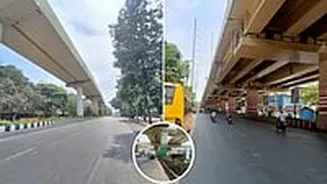
and the far northern suburbs of Vasai, Nalasopara, and Virar. This significant infrastructure endeavor, with a detailed project report (DPR) meticulously crafted by the Delhi Metro Rail Corporation, encompasses a total corridor length of 25.03 kilometers. The majority of this stretch, precisely 21.78 km, will be elevated, while a strategic 3.25 km will delve underground. The plan outlines the establishment of approximately 16 to 17 new metro stations, all part of an ambitious vision to enhance urban mobility across the Mumbai Metropolitan Region (MMR). This initiative is a key component of a larger metro expansion drive that already includes 14 operational or under-construction lines spanning over 350 km, signaling a major commitment to modernizing public transport and improving the daily lives of countless commuters.
Why This Line Matters
For residents of Vasai and Virar, the current commuting reality is often characterized by severely overcrowded local trains and perpetually congested roadways. The proposed Mumbai Metro Line 13 directly addresses these long-standing issues by introducing a superior alternative. Passengers can anticipate a significantly faster and more comfortable travel experience, thanks to the air-conditioned coaches. This will undoubtedly alleviate the immense pressure currently borne by the suburban railway network, which many rely on despite its limitations. Furthermore, the metro's integration with existing and future road infrastructure aims to improve overall connectivity throughout the region. The expected reduction in travel time, coupled with decreased reliance on personal vehicles, will also contribute to a cleaner environment by lowering pollution levels and cutting down on fuel consumption, marking a significant leap towards sustainable urban living.
Vasai Creek Bridge Highlight
A standout feature of the Mumbai Metro Line 13 project is the ambitious plan to construct a revolutionary double-decker bridge spanning the Vasai Creek, an undertaking with an estimated cost of Rs 2,000 crore. This engineering marvel is designed to dramatically slash travel time between Bhayandar and Vasai, reducing it from the current arduous 45-60 minutes to an astonishingly brief 10 minutes. The bridge itself will extend approximately 5 kilometers in length. Its innovative design includes both an upper deck dedicated to the metro line and a lower deck featuring a six-lane roadway, ensuring it serves multiple transportation needs. This strategic crossing is pivotal in enhancing connectivity and facilitating smoother transit across this significant geographical barrier, promising a swift and efficient commute for thousands.
Underground Section Rationale
In a thoughtful revision to the project's alignment, a substantial 3.25 km underground section has been incorporated between Vasai and Nalasopara. This crucial addition stems from a deliberate effort to mitigate potential displacement and complex rehabilitation challenges within densely populated residential areas. By taking the metro line beneath the surface in these specific zones, authorities aim to minimize the impact on existing communities and streamline the construction process. This strategic decision reflects a commitment to balancing large-scale infrastructure development with the well-being of the local populace, ensuring that progress is achieved with sensitivity to the social fabric of the affected neighborhoods.
Cost Escalation Explained
The projected cost for Mumbai Metro Line 13 has seen a notable increase from the initial estimate of approximately ₹6,900 crore to the current revised figure of nearly ₹17,725 crore. This significant escalation in the budget can be attributed to several key factors. The inclusion of underground sections, a more complex engineering feat, adds substantially to the expenses. Furthermore, modifications made to the alignment during the planning phase and the general inflation in construction material and labor costs over time have played a role. The development of the ambitious creek bridge infrastructure also represents a considerable investment. Finally, enhanced integration plans with other existing and future metro corridors, ensuring seamless connectivity across the network, have contributed to the revised financial outlay.
Network Integration Benefits
A primary advantage of Mumbai Metro Line 13 lies in its seamless integration with the broader Mumbai Metro network, amplifying its utility and reach. The corridor is planned to connect with Mumbai Metro Line 9 at Bhayandar, establishing a crucial link in the western suburban transit system. Furthermore, it will seamlessly connect with Metro Lines 7 and 7A, creating a comprehensive web of metro lines across the region. This extensive integration will provide much easier and quicker access to key destinations like Andheri and other western suburbs, significantly reducing travel times for commuters heading towards these areas. Crucially, it also offers improved connectivity towards Chhatrapati Shivaji Maharaj International Airport, making air travel more accessible for suburban residents. This multi-line synergy is anticipated to substantially decrease reliance on road-based transport for longer suburban journeys.
Stations and Depot Plans
The revised proposal for Mumbai Metro Line 13 delineates a plan for approximately 16 to 17 stations strategically positioned along the corridor. Notably, three of these stations are slated to be constructed underground to cater to specific urban environments and minimize surface disruption. These underground stations include Vivek Fire Brigade, Chole Gaon, and Papdi. Complementing the passenger service infrastructure, a dedicated metro depot is also planned. This facility, designated for the essential maintenance and repair of the metro trains, is proposed to be located near Chikhaldongri in Virar, ensuring operational efficiency and preparedness for the new line.
Real Estate Impact Forecast
The advent of Mumbai Metro Line 13 is widely expected to catalyze significant growth and price appreciation in the real estate markets of Bhayandar, Mira Road, Vasai, Nalasopara, and Virar. Enhanced metro connectivity is a powerful driver for urban development, paving the way for increased housing demand as the areas become more accessible and desirable for commuters. This surge in demand is likely to foster faster residential development, encouraging the construction of new housing projects. Additionally, the improved transportation links are anticipated to stimulate better commercial activity, attracting businesses and creating employment opportunities. Consequently, property prices in the vicinity of the proposed metro stations are projected to experience a substantial uplift, making these suburban areas more attractive for both residents and investors.