


The Power of Red
High blood pressure often goes unnoticed until it seriously impacts vital organs like the heart, brain, and kidneys. In today's world, characterized by
elevated stress, processed foods, and sedentary lifestyles, its prevalence is increasing. While medication plays a role, dietary choices are emerging as a cornerstone of management. Red fruits are gaining significant attention in the realm of heart health due to their rich content of potassium, antioxidants, and beneficial compounds that promote blood vessel relaxation and reduce inflammation. These fruits not only contribute to better blood circulation and help the body excrete excess sodium but are also incredibly versatile and can be easily integrated into meals and snacks throughout the day, offering a tasty and effective approach to blood pressure control.
Pomegranate's Potent Punch
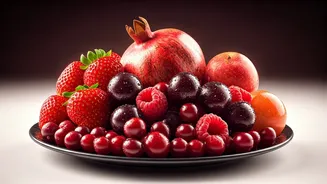
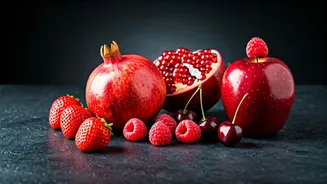
Pomegranates have earned their 'superfood' status, and scientific evidence strongly supports their blood pressure-lowering capabilities. Studies indicate that consuming pomegranates can reduce both systolic and diastolic blood pressure, with some individuals experiencing reductions of up to 5 mmHg. This remarkable effect is attributed to their abundant polyphenols and antioxidants, which actively work to relax blood vessels and diminish inflammation. Incorporating this ruby-red wonder into your diet is simple; enjoy a small bowl of fresh seeds daily or a 150–200 ml glass of pure juice, ideally with your morning or midday meals.
Strawberry's Sweet Benefits
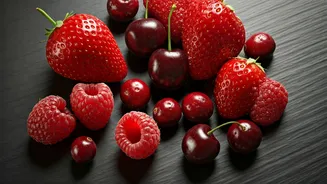
Belonging to the berry family, strawberries are bursting with anthocyanins, potent plant pigments that encourage your body to produce more nitric oxide. This crucial compound enhances blood flow and contributes to lower blood pressure. Research has demonstrated that individuals with high blood pressure who regularly include berries in their diet observe noticeable and consistent improvements. A simple way to reap these benefits is to enjoy one cup of fresh strawberries daily, perhaps mixed into your breakfast, sprinkled over oats, or paired with yogurt, making them a fantastic addition to morning or early afternoon meals.
Cherries for Circulation
Cherries, particularly their tart varieties, offer substantial advantages for cardiovascular health. The anthocyanins and flavonoids present in these fruits help maintain arterial flexibility and reduce inflammation, thereby facilitating smoother blood flow and easing the burden on the heart. For a heart-friendly evening snack, consider consuming 10–15 cherries, or occasionally opt for unsweetened cherry juice. An added bonus is that cherries consumed in the evening may also contribute to better sleep quality.
Watermelon's Hydrating Heart
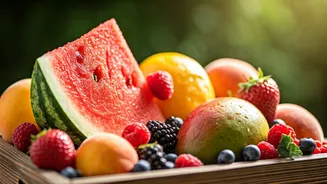
Don't let its natural sugar content mislead you; watermelon is exceptionally beneficial for heart health. It is a rich source of citrulline, an amino acid that aids your body in synthesizing nitric oxide, a vasodilator that relaxes blood vessels. Regular consumption of watermelon slices can lead to improved blood flow and reduced blood pressure. Enjoy one to two cups of sliced watermelon without adding sugar or, especially, salt. It’s an ideal thirst quencher for the afternoon or post-workout refreshment.
Tomato's Lycopene Boost
Tomatoes, botanically classified as fruits, are champions for heart health primarily due to their high lycopene content. Studies have shown that lycopene can significantly reduce systolic blood pressure, particularly when consumed in higher quantities. Whether enjoyed fresh in salads, blended into juice, or cooked in dishes like soups and sauces, tomatoes provide a robust dose of this beneficial antioxidant. Cooking tomatoes can even enhance the body's absorption of lycopene, making them a versatile and effective addition to a blood pressure-friendly diet.