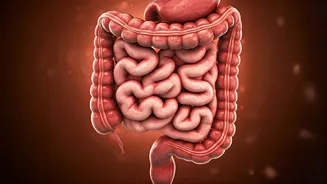

The Gut's Broad Reach
The human gut, often associated with digestion, is far more complex and influential than commonly believed. A UK surgeon emphasizes the gut's extensive
impact, stretching beyond processing food. The gut-organ axis is the key to understanding how these functions are connected. This axis explains how the gut communicates with and influences various organs and systems throughout the body. The health of the gut directly affects processes like immune function, mood regulation, and even brain health. Understanding this connection is essential for overall well-being.
Gut-Brain Connection
The gut and the brain communicate through a complex network known as the gut-brain axis, a key aspect of this interaction. The gut sends signals to the brain, and the brain sends signals back to the gut, creating a two-way communication system. Research suggests that the gut microbiome, the collection of microorganisms residing in the gut, plays a vital role in influencing mood, stress levels, and cognitive functions. Imbalances in the gut microbiome can contribute to mental health issues, while a healthy gut microbiome can promote mental clarity and emotional well-being. This complex interplay highlights the need to maintain gut health for optimal brain function and mental health.
Immune System Influence
The gut is a significant player in the immune system, housing a substantial portion of the body's immune cells. A healthy gut lining acts as a barrier, preventing harmful substances from entering the bloodstream. The gut microbiome is also deeply involved, training the immune system to differentiate between friendly and harmful invaders. An imbalance in gut bacteria can weaken this barrier and trigger chronic inflammation, which is implicated in various diseases. Therefore, maintaining a balanced gut microbiome is crucial for a strong immune system and overall health. Supporting gut health through diet and lifestyle choices can bolster the immune system's effectiveness.
Impact on Metabolism
The gut also influences metabolic processes, including how the body processes nutrients and manages weight. The gut microbiome helps in breaking down food, extracting nutrients, and regulating blood sugar levels. An imbalance in the gut microbiome is associated with metabolic disorders, such as obesity and type 2 diabetes. Furthermore, the gut can affect how energy is stored and utilized in the body. Promoting a healthy gut through a balanced diet, rich in fiber and probiotics, can enhance metabolism, making it more efficient and reducing the risk of metabolic diseases. A healthy gut is key to weight management and metabolic health.
Dietary Considerations
Dietary choices are paramount for maintaining gut health. A diet rich in fiber, found in fruits, vegetables, and whole grains, promotes the growth of beneficial gut bacteria. Probiotics, live bacteria found in fermented foods like yogurt and kimchi, can also enhance the gut microbiome. Conversely, processed foods, excessive sugar, and unhealthy fats can harm the gut. These foods can reduce the diversity of gut bacteria, increasing the risk of inflammation and disease. Eating a balanced diet that prioritizes whole foods and limits processed items is a fundamental step toward a healthier gut and better overall well-being. Consider incorporating prebiotics and probiotics to support gut health.
Lifestyle Factors
Beyond diet, lifestyle choices also significantly affect gut health. Chronic stress can negatively impact the gut microbiome, leading to imbalances. Regular physical activity can improve gut health by increasing the diversity of gut bacteria and promoting overall well-being. Adequate sleep is also crucial, as sleep deprivation can disrupt the gut microbiome and lead to inflammation. Limiting alcohol consumption and avoiding smoking are also important, as these habits can damage the gut lining and increase the risk of gut-related problems. Incorporating stress-reducing techniques, such as yoga or meditation, alongside these lifestyle adjustments, can promote a healthier gut and improve overall health.
Gut Health's Future
The field of gut health is continually evolving, with ongoing research revealing more about its complex role in overall health. As scientists learn more about the gut microbiome and the gut-organ axis, they are developing new strategies for improving gut health and treating related diseases. The future of gut health focuses on personalized approaches, considering individual gut microbiomes and tailoring treatments accordingly. Understanding the importance of gut health is now more critical than ever. It underscores the potential for proactively managing health through simple yet effective lifestyle and dietary changes that promote a thriving gut.