
Protein: The Basics
Protein is a vital macronutrient that your body requires for numerous functions. It plays a significant role in building and repairing tissues, producing
enzymes and hormones, and supporting overall health. Protein is made up of amino acids, which are the building blocks of cells. Different protein sources offer varying amino acid profiles, influencing their impact on your body. Understanding these fundamentals helps you to determine how much protein you need each day. It's not just for bodybuilders; it's essential for everyone.
Daily Protein Needs
The exact protein requirement varies according to individual factors such as age, activity level, and health goals. For general health maintenance, a moderate intake is generally recommended. Individuals who are more physically active, especially those engaged in strength training, may require a higher protein intake to aid muscle repair and growth. Those aiming to lose weight can also benefit from increased protein, as it promotes satiety, which can help in reducing overall calorie intake. Assessing your personal activity level and health goals is essential for determining your daily protein needs.
Building Muscle Intake
For those aiming to build muscle mass, protein intake needs to increase significantly. The elevated demand for protein facilitates the repair and construction of muscle fibres after workouts. Often, this requires a higher daily consumption of protein compared to maintenance levels. It is important to match your protein intake with your training intensity and frequency. Combining a high-protein diet with strength training is a proven method to achieve significant muscle growth. Always ensure you are consuming sufficient calories and the proper ratios of macronutrients to support your muscle-building efforts.
Protein for Weight Loss
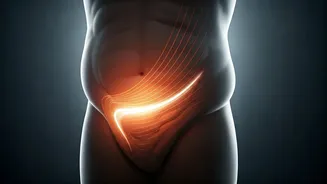
Protein can also significantly benefit individuals focused on losing weight. High-protein diets can boost feelings of fullness, which can lead to reduced overall calorie intake. Because protein requires more energy to digest than fats or carbohydrates, it can lead to increased calorie burn. Incorporating more protein can help preserve muscle mass during weight loss, making it a valuable tool. Additionally, ensuring you're getting enough protein can help you maintain a healthy metabolism during your weight loss journey.
Best Protein Sources
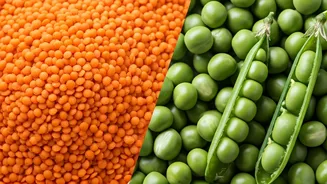
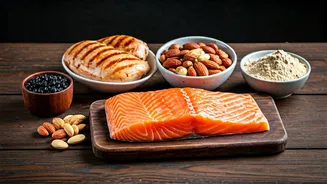
Selecting varied protein sources is crucial for a well-rounded diet. Lean meats like chicken and turkey are excellent choices, providing high-quality protein with low fat content. Fish, especially those rich in omega-3 fatty acids, offers both protein and beneficial fats. Eggs are another great source, packed with essential amino acids and nutrients. For those following a vegetarian or vegan lifestyle, plant-based options such as lentils, beans, tofu, and quinoa offer complete protein sources. Integrating a variety of these foods ensures you receive all the necessary amino acids.
Timing Matters Too
Meal timing can be significant when optimizing protein intake, particularly for athletes. Consuming protein shortly after workouts helps facilitate muscle recovery and growth. Spreading your protein intake throughout the day supports consistent protein synthesis. Studies suggest that evenly distributing protein across multiple meals may be more effective than consuming a large amount in one sitting. Understanding how to manage the timing of your protein intake can boost its effectiveness in helping to meet your fitness and health objectives.