




Why Insoluble Fiber Matters
Insoluble fiber, a crucial component of a balanced diet, plays a vital role in maintaining digestive health. Unlike its soluble counterpart, it doesn't
dissolve in water, instead acting as a natural cleanser for your digestive tract. By adding bulk to stool, it significantly aids in preventing constipation and promotes regular bowel movements, ensuring a smoother passage of food. This fiber is predominantly found in the outer layers, skins, and seeds of plant-based foods. Its benefits extend beyond mere regularity; it contributes to weight management by promoting satiety, helps in controlling blood sugar levels when consumed with soluble fiber, and may even reduce the risk of certain colon-related issues. For optimal results, it is essential to increase your intake gradually and ensure ample hydration, consuming at least 2.5 to 3 liters of water daily to avoid any discomfort.
Indian Fiber Powerhouses
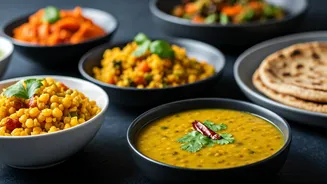
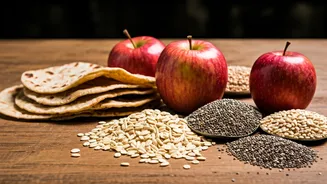
India's rich culinary landscape offers numerous naturally high-insoluble-fiber food options. Whole grains like wheat (atta), jowar, bajra, and ragi are excellent foundations. Legumes and pulses, such as rajma (kidney beans), chole (chickpeas), masoor dal, urad dal, and chana dal, are fiber-rich staples. A wide array of vegetables, including spinach (palak), bhindi (okra), cauliflower, broccoli, carrots, beetroot, and cabbage, contribute significantly. Don't forget fruits with their skins, like pears, apples, guava, and figs, along with nuts and seeds such as almonds, flaxseeds, and chia seeds. Even certain items like wheat bran and oats are fantastic additions to your fiber-rich diet.
Quick & Tasty Fiber Recipes
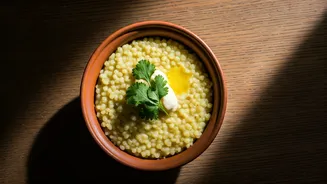
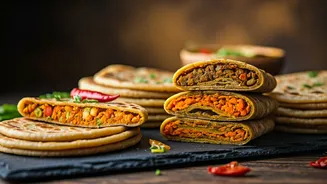
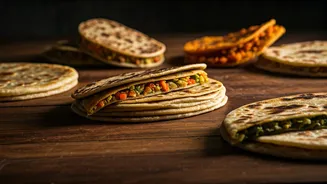
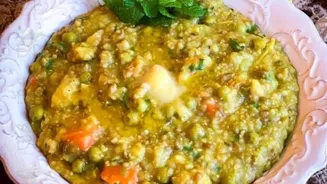
Elevate your meals with these simple yet fiber-packed Indian recipes. Start your day with Ragi Dosa, a gluten-free option from finger millet providing 6-8g of fiber per serving. For a comforting breakfast or light meal, Oats Vegetable Upma offers 7-10g of fiber, incorporating oats and various vegetables. Dalia (Broken Wheat) Vegetable Khichdi/Upma is a powerhouse, delivering 8-12g of fiber per bowl due to the high insoluble fiber content of broken wheat. For a protein-rich option, Moong Dal Cheela or Besan Chilla with veggies provides 6-9g of fiber per serving, combining lentils, chickpea flour, and grated vegetables. These recipes are designed for quick preparation, typically taking between 10 to 20 minutes, making them ideal for everyday healthy eating.
Fiber-Rich Meal Inspirations
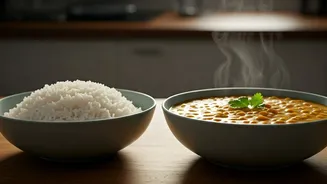
Beyond breakfast, incorporate fiber into lunch and dinner with these versatile ideas. Punjabi Chole (Chickpea Curry) and Rajma Masala (Kidney Bean Curry) are classic legume dishes, rich in insoluble fiber from the beans. Palak Chole or Chana Palak offers a double fiber boost by combining chickpeas with nutrient-dense spinach. Masoor Dal with Spinach is another daily fiber source, featuring red lentils and green leafy vegetables. Spinach Dosa provides a quick, no-ferment option packed with spinach's fiber content. For a satisfying meal, Oats Adai (Oats Spinach Pancake) is a healthy South Indian choice. Even simple vegetable preparations like Bhindi Masala (Okra) contribute fiber, especially when the skin is retained.
Snacking Smart for Fiber
For a convenient way to boost insoluble fiber intake between meals, consider smart snacking options. A handful of almonds makes for an excellent on-the-go snack, providing both fiber and healthy fats. Homemade almond butter, whether chunky or smooth, is another versatile choice that can be kept at home or work. If you're looking for a quick and customizable option, Vegetable Poha with Flaxseeds or Wheat Bran is a great choice, ready in about 10 minutes and offering around 7-10g of fiber per plate when bran or flaxseeds are added. These small additions can make a significant difference in your daily fiber consumption.