








When Caution Is Needed
While incredibly effective, leg extensions aren't universally suitable. Individuals with existing knee pain, such as patellar tendonitis or chondromalacia,
might find this exercise exacerbates their discomfort, especially at the peak of the movement where tension is highest. This is due to the open-chain nature of the exercise, which places isolated stress on the patellar tendon without the supportive co-contraction of other lower body muscles. For those in early-stage ACL rehabilitation, open-chain knee extension between 40 degrees and full extension can introduce anterior shear forces on the tibia, potentially stressing a healing graft. This specific scenario is the origin of much of the controversy. Proper technique is also paramount; avoiding forceful lockout, bouncing the pad, or hyperextending the knees is crucial to prevent undue stress. Modifying the range of motion, reducing the weight, and employing a slower tempo are recommended fixes. For ACL recovery, always consult with a physical therapist for personalized guidance, as many protocols do incorporate leg extensions after the initial healing phase.
Quad Building Powerhouse
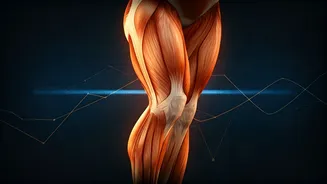
Leg extensions stand out as an exceptional tool for isolating and developing quadriceps muscles, a benefit often overlooked due to common misconceptions. Unlike compound movements such as squats or lunges, which distribute the workload across multiple muscle groups including the glutes, hamstrings, and lower back, leg extensions specifically target the quads. This focused stimulus, particularly on the rectus femoris, is invaluable for maximizing quad size and carving definition during cutting phases. Furthermore, leg extensions offer a way to add significant muscle-building volume to your leg workouts without the systemic fatigue associated with heavy compound lifts. They bypass spinal compression and balance demands, allowing for more focused muscular development and reducing the overall demand on the central nervous system. This makes them an excellent addition for athletes or individuals looking to enhance leg aesthetics or overcome lagging quad development.
Strategic Workout Integration
Incorporating leg extensions strategically into your training regimen can yield significant benefits for both muscle growth and joint health. They can serve as an effective pre-exhaustion tool, stimulating the quadriceps before heavy compound lifts like squats. This helps to ensure that your quads are adequately recruited and feel the work during exercises where they might otherwise be overshadowed by larger muscle groups. Alternatively, leg extensions are a fantastic finisher for leg day. Performing 3 sets of 20 repetitions with a three-second squeeze at the top can lead to an intense quad pump, demonstrating their capacity for inducing muscle hypertrophy. Post-rehabilitation, leg extensions are often reintegrated into return-to-play protocols once timing, loading, and knee readiness are carefully managed. Restoring quadriceps strength is crucial after knee injuries, as weak quads can impair movement patterns, affect gait, and increase the risk of re-injury, especially following ACL reconstruction. Thus, building resilient knees necessitates rebuilding quad strength, a goal leg extensions can help achieve.
Programming for Safety
To harness the benefits of leg extensions while safeguarding your knees, intelligent programming is key. A beneficial approach is to perform them after your primary compound lower body exercises when your joints are adequately warmed and your quadriceps are already engaged. Another effective strategy is using them as a pre-exhaust set, particularly if you struggle to feel your quads working during squats, to prime the muscles without overtaxing them before heavy lifting. For hypertrophy, aim for 3-4 sets of 10-15 repetitions using a moderate weight and a controlled tempo. For building muscular endurance, 2-3 sets of 15-20 reps with minimal rest between sets are suitable. When focusing on strength, opt for 3 sets of 8-10 repetitions with a heavier weight, emphasizing a strong peak contraction and a full range of motion. These programming guidelines help ensure the exercise contributes positively to your training goals without compromising knee health.
The Verdict on Safety
The prevailing notion that leg extensions inherently damage knees is largely a myth, stemming from misinterpretations and the spread of cautionary tales from clinical settings. While it's true that this open-chain exercise generates shear forces and isolates the quadriceps, potentially aggravating pre-existing knee conditions or improper form, it does not inherently 'destroy' healthy knees. Biomechanical analyses indicate that the forces exerted on the ACL during leg extensions are well within its failure strength, often less than one-fifth of its capacity. Moreover, daily activities like walking and stair climbing can generate comparable or even greater joint reaction forces. Concerns about the lack of hamstring co-contraction are also often overstated, as hamstrings do exhibit low to moderate activation. When performed with correct technique, appropriate weight, and within a well-structured program, leg extensions are a safe and highly effective tool for enhancing quadriceps development, improving knee function post-rehabilitation, and complementing compound lower body training. The issue typically lies not with the machine itself, but with misuse and poor execution.